 Seattle
 Exteriors Built for Ballard's Weather
Ballard sits close to Puget Sound and the Shilshole waterway, which means homes here deal with a combination most inland Seattle neighborhoods don't face in the same way: salt-laden air off the water, wind-driven rain that hits siding sideways instead of straight down, and long stretches of gray, damp months that keep every north- and west-facing surface wet for days at a time. Add in the tree cover common to older Ballard blocks, and you get a fourth factor — moss and algae that get a running start every fall and don't let up until late spring.
None of that is unusual for King County. But it does mean an exterior that would hold up fine in a drier climate can fail early here if the materials or the installation weren't chosen with this specific mix of conditions in mind. That's the lens we bring to every siding, roofing, window, and deck project in Ballard.
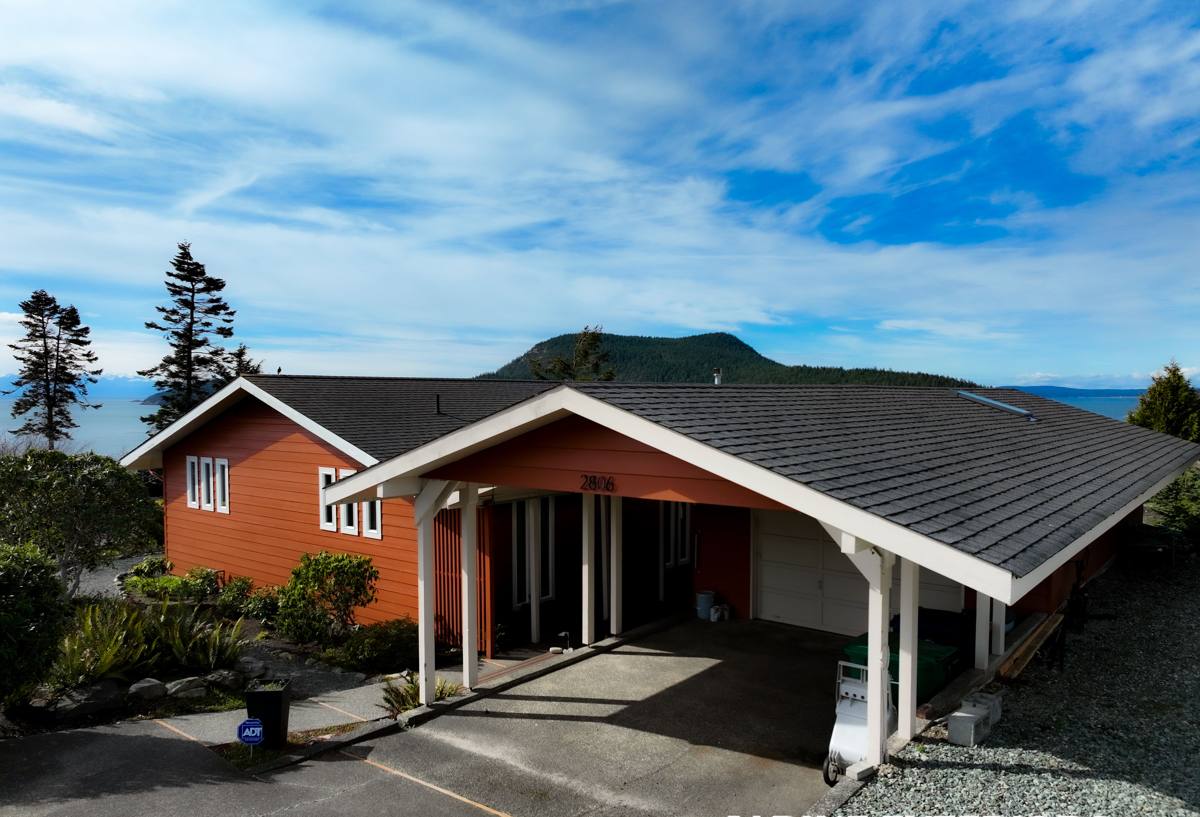
What Salt Air and Driving Rain Do to a House
Salt Air
Airborne salt is corrosive to exposed metal fasteners, flashing, and hardware, and it accelerates the breakdown of some paint and coating systems over time. It's a slower process than what you'd see right on the beach, but Ballard's proximity to the water means it's a real factor, not a theoretical one — especially on the sides of a house that face the Sound or open water.
Driving Rain
Seattle doesn't get the heaviest rainfall totals in the country, but it gets a lot of wind-driven rain, and wind-driven rain finds weaknesses that straight-down rain never would. Water pushed sideways works its way behind poorly lapped siding, under-flashed trim, and around window and door openings that weren't sealed correctly the first time. Over years, that's how rot starts — quietly, behind the surface, long before it's visible from the curb.
Moss and Sustained Moisture
Moss doesn't just look bad on a roof or a shaded wall — it holds moisture against the surface underneath it, which is exactly what you don't want on wood trim, roofing underlayment, or any material that's vulnerable to sustained dampness. In a neighborhood with mature trees and a marine climate, moss isn't an occasional nuisance, it's a seasonal certainty that has to be planned for.
Siding in Ballard: Why We Only Install James Hardie
We install James Hardie fiber cement siding exclusively. We don't install vinyl, LP SmartSide, Cemplank, Allura, or bare cedar or primed spruce siding, and in a climate like Ballard's, that's not a brand preference — it's a decision based on how these materials actually perform against salt air, sustained moisture, and driving rain over decades, not just the first few years.
Where the alternatives fall short here specifically
- Vinyl siding expands and contracts with temperature swings and can warp or become brittle over time; it also isn't paintable to refresh a home's look as trends or ownership changes, and its seams give wind-driven rain more opportunities to intrude than a properly lapped fiber cement system.
- Cedar and other wood siding is a beautiful material, but it's also a maintenance commitment — regular refinishing, vigilance against moss and moisture retention, and vulnerability to rot if a single coat of finish is neglected for too long. In a climate this damp, that maintenance window shrinks fast.
- LP SmartSide, Cemplank, and Allura are engineered wood or fiber cement competitors with their own trade-offs in moisture behavior, finish durability, and warranty structure. We made the call to standardize on one product line we trust fully rather than install several we'd have to caveat.
Why James Hardie
James Hardie fiber cement is non-combustible, doesn't support moss growth the way wood does, and comes with a factory-applied ColorPlus finish that's baked on and warrantied against fading — which matters in a climate where the sun, when it does come out, is hard on painted surfaces that have been damp all winter. Hardie also engineers specific product lines (its HZ5 line, for example) for wetter, harsher climate zones, which is a meaningful difference from a one-size-fits-all siding product. Backed by a strong transferable warranty, it's the system we're willing to put our name behind on every Ballard home we side.
Roofing for Ballard's Rain and Moss Season
A roof in Ballard has one job that matters more than any other: keep wind-driven rain out for the long haul, not just when it's falling straight down. That means correct underlayment, properly lapped and sealed flashing at every valley, chimney, and penetration, and attention to how moss and debris will accumulate on the roof once the trees drop their leaves and the wet season sets in.
Moss buildup on a roof isn't just cosmetic — left unaddressed, it lifts shingles, traps moisture against the roof deck, and shortens the life of the roofing material significantly. Regular moss management and correct initial installation both matter here more than they would in a drier part of the country.
Windows: Comfort, Condensation, and Energy Performance
Older windows in Ballard's housing stock — much of which dates back several decades — often struggle with two related problems: heat loss through single-pane or poorly sealed glass, and condensation that builds up on cold surfaces during the wet, cool months. Both issues get worse, not better, over time as seals degrade.
Replacing windows correctly means addressing the flashing and sealing around the opening just as carefully as the window unit itself — a window is only as weather-tight as its installation. Done right, new windows cut down on drafts, reduce condensation problems, and take pressure off heating costs during Seattle's long heating season.
Decks Built for Pacific Northwest Weather
A deck in Ballard spends most of the year exposed to rain, and often to salt-tinged air depending on its orientation. That means drainage, ledger flashing, and material choice all matter more here than they would in a dry climate — a deck that isn't detailed to shed water away from the house structure is a slow-motion moisture problem waiting to surface. We build and replace decks with those realities in mind, from the structural connection at the house out to the decking surface itself.
Why a Local Crew Matters in a Neighborhood Like Ballard
Ballard's mix of older homes, infill construction, and a housing stock that spans many decades means no two exteriors here are dealing with the exact same problem. A crew that works across King County regularly — not one flying in for a single job — has a working sense of which streets sit closer to the water, which lots hold onto shade and moisture longer, and how a given home's age and construction style tend to show wear. That local pattern recognition doesn't replace a proper inspection, but it does mean fewer surprises once work is underway.
What the Process Looks Like
Every exterior project starts with an honest look at what's actually happening on the house — not just what's visible from the street, but what's likely going on underneath aging siding, around window openings, and at roof penetrations. From there we walk through material options, realistic timelines, and what the work will involve day to day.
- On-site inspection of siding, trim, roofing, windows, and any deck structures
- Identification of moisture intrusion, moss buildup, or failed flashing points
- A clear, itemized proposal — no vague allowances or hidden scope
- Product selection guidance, including why we recommend James Hardie for siding work
- A realistic project timeline that accounts for Seattle's weather windows
- Cleanup and a final walkthrough before the job is considered done
Cost Factors to Understand Before You Budget
Exterior project costs in Ballard vary widely based on home size, existing condition, and scope, but the factors below tend to move the number the most.
| Factor | Why It Matters |
|---|---|
| Extent of existing moisture or rot damage | Hidden repair work behind old siding or roofing adds labor and material before new work can even begin |
| Home size and wall/roof complexity | More corners, dormers, and roof planes mean more flashing detail and labor time |
| Material tier selected | James Hardie panel and lap styles, colors, and trim options vary in cost |
| Access and site conditions | Tight lots, mature landscaping, and multi-story homes affect setup and staging time |
| Scope bundling | Combining siding, roofing, or window work in one project can reduce overall disruption and some shared costs |
Ready When You Are
If you're weighing what your Ballard home needs — whether it's aging siding, a roof that's due, tired windows, or a deck showing its age — we're happy to take a look and give you a straight answer, no pressure attached. Use the form below to request a free estimate.