 Seattle
 Exterior Work Built for Shoreline's Climate
Shoreline sits right along Puget Sound, and that location shapes what happens to a house here over time. Homes in this part of King County deal with a steady mix of salt-tinged marine air, driving wind-blown rain off the water, and long stretches of gray, damp weather that can stretch from fall through spring. Add in the moss and algae growth that thrives in shaded, moisture-heavy conditions, and you've got an exterior envelope that's working hard every single day just to keep the inside of the house dry and comfortable.
We're a Seattle-based exterior contractor, and Shoreline is well within our regular service area. We're not driving in from out of state or subcontracting to whoever's cheapest that week — our crews know what Puget Sound weather does to siding, roofing, windows, and decks, and we build and repair accordingly.
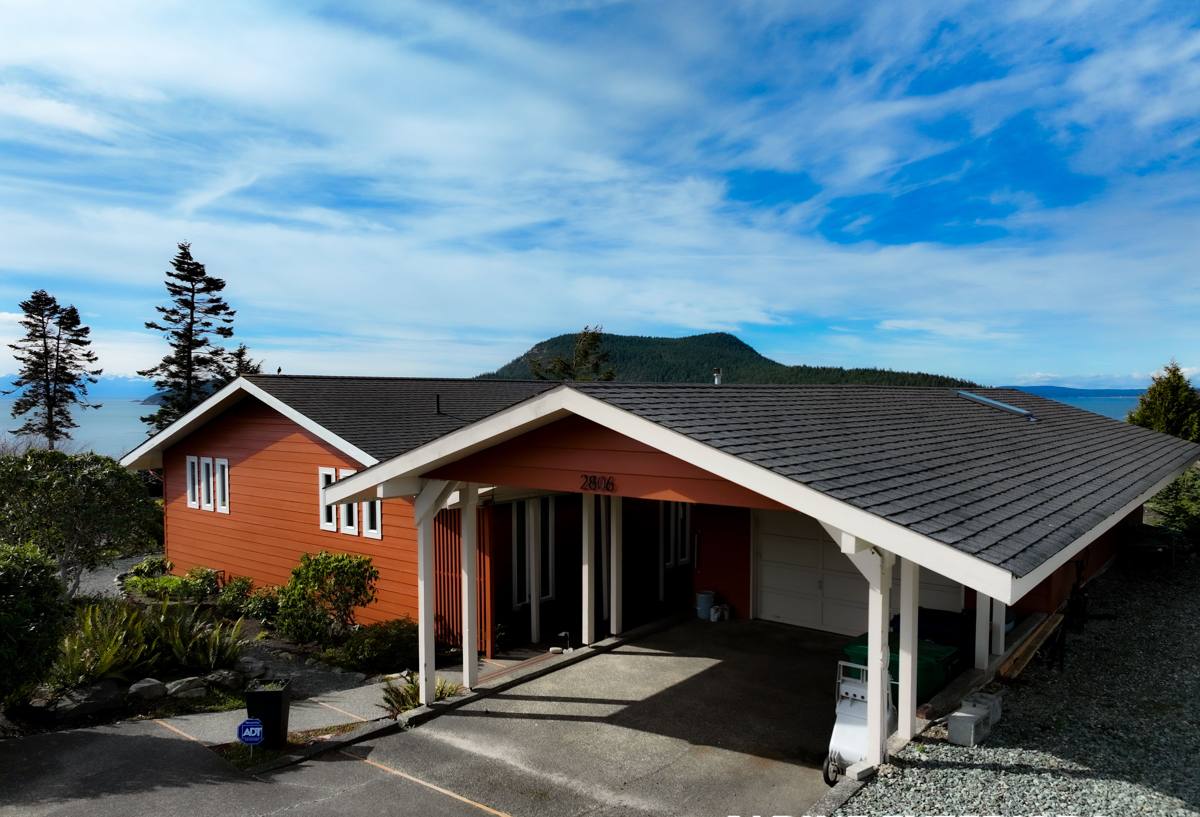
What Shoreline Homes Face From the Elements
Salt Air and Moisture
Being close to Puget Sound means a low but constant level of airborne salt, especially on west- and southwest-facing walls that catch weather rolling in off the water. Salt air accelerates corrosion on fasteners, flashing, and trim, and it speeds up the breakdown of exterior finishes that aren't rated for coastal-adjacent exposure. It's not the same intensity as an oceanfront property, but over 15-20 years it adds up.
Driving Rain
Seattle-area rain isn't usually the torrential downpour type — it's the sideways, all-day, soak-into-everything type. Driving rain finds every gap in flashing, every under-caulked seam, and every spot where siding wasn't lapped correctly. Homes here need a weather-resistive barrier and drainage plane that actually work, not just siding that looks good from the curb.
Moss, Algae, and Shade
Mature trees and long overcast stretches mean a lot of Shoreline roofs and north-facing siding stay damp for days at a time. That's exactly the environment moss and algae need to take hold. Moss on a roof isn't just cosmetic — it lifts shingles, holds moisture against the roof deck, and shortens the life of the roofing material underneath it. On siding, sustained damp conditions are what cause rot, delamination, and paint failure on products that aren't built to handle it.
Siding: Why We Only Install James Hardie
We install James Hardie fiber cement siding exclusively. We don't install vinyl, LP SmartSide, Cemplank, Allura, primed spruce, or cedar, and that's a deliberate standard, not a limitation of what we're capable of installing. Here's the honest reasoning behind it, especially as it applies to a climate like Shoreline's.
Wood and Engineered Wood Siding
Cedar and primed spruce have real appeal — natural grain, a traditional look, and a long track record in the Pacific Northwest. But wood siding requires consistent maintenance to perform well in a wet climate: repainting or restaining on a schedule, caulking that has to be checked regularly, and vigilance against rot at butt joints and lower courses. LP SmartSide (engineered wood strand siding) improves on solid wood in some ways, but it's still a wood-based product with an engineered resin coating, and it depends heavily on correct installation and consistent caulking to keep moisture out at cut edges and seams. In a climate with this much sustained dampness, any gap in that maintenance shows up as swelling, rot, or fungal growth faster than it would in a drier region.
Vinyl Siding
Vinyl is affordable and low-maintenance in the sense that it doesn't need painting, but it has real limitations here. It expands and contracts with temperature swings, which over time can loosen fastening and create gaps that driving rain exploits. It's also more prone to cracking on impact and to fading, and it doesn't offer the same fire resistance as fiber cement — a growing consideration for insurance underwriting even on the wet side of the state.
Other Fiber Cement Brands (Cemplank, Allura)
Cemplank and Allura are legitimate fiber cement products, and we're not going to claim otherwise. Where we draw the line is manufacturing consistency, factory finish quality, and warranty structure. James Hardie's ColorPlus factory-applied finish is baked on and backed by a specific finish warranty separate from the product warranty, and Hardie's HZ5 product line is engineered specifically for climates like ours — freeze-thaw cycling, sustained moisture, and marine-influenced air. That climate-specific engineering is exactly what a Shoreline home needs.
What James Hardie Gets Right for This Area
- Non-combustible fiber cement — doesn't feed a fire the way wood-based siding can
- ColorPlus factory finish resists fading and chipping better than field-applied paint
- HZ5 product engineering targets moisture and climate exposure specific to the Pacific Northwest
- Doesn't rot, and won't support the fungal growth that plagues wood siding in shaded, damp yards
- Strong transferable warranty that holds up when installation meets Hardie's spec
The warranty piece matters as much as the product itself. Fiber cement siding installed with the wrong nailing pattern, insufficient clearance, or bad flashing detail can fail regardless of brand — which is why correct installation is inseparable from the product decision.
Roofing for a Wet, Shaded Climate
Shoreline roofs work overtime because of the combination of rain volume and shade from mature tree cover. We handle both roof installation and repair, and the priorities are straightforward: correct underlayment for sustained moisture exposure, properly detailed flashing at every valley, chimney, and penetration, and attention to ventilation so trapped heat and moisture don't cook the roof deck from underneath. Moss prevention starts with material choice and roof design, but it's also maintained with proper gutter function and periodic inspection — a roof that drains well and doesn't hold standing water or debris resists moss far better than one that doesn't.
Windows That Hold Up to Driving Rain
Window failures in this climate are almost always a water intrusion problem before they're anything else — bad flashing integration with the wall assembly, degraded sealant, or a window unit that was never properly tied into the weather-resistive barrier. We pay close attention to how a window integrates with the siding and drainage plane around it, not just the window unit itself, because a great window installed with poor flashing will leak regardless of the glass package or frame material.
Decks Built for Puget Sound Exposure
Decks in Shoreline face constant cycles of wet and dry, plus UV exposure during the brief stretches of sun. That combination stresses fasteners, ledger connections, and any wood-to-wood contact points where moisture can sit. We build and repair decks with attention to proper flashing at the ledger board (a common failure point and safety issue), drainage beneath the deck surface, and materials suited to sustained moisture exposure rather than just how they look on day one.
Cost Factors to Expect
| Project Type | What Drives Cost Locally |
|---|---|
| Siding replacement | Home size, number of stories, existing siding removal, window/trim detail complexity |
| Roofing | Roof pitch, tree cover/access, existing layer removal, flashing complexity |
| Window replacement | Number of openings, whether it's full-frame or insert replacement, flashing integration work |
| Deck build/repair | Square footage, height off grade, ledger and structural condition, material choice |
We give straightforward, written estimates after actually looking at the property — we don't quote sight-unseen, because the condition of what's already there (rot, old flashing, structural issues) changes the scope more than almost anything else.
Why a Local Crew Matters Here
Shoreline isn't a generic climate zone on a spec sheet. It's Puget Sound proximity, King County building conditions, and a specific pattern of shade, rain, and moisture that a crew working across the greater Seattle area sees on a weekly basis. That familiarity shows up in the small decisions — how much clearance to leave at grade, where extra flashing attention matters most, which sides of the house take the worst weather — that separate exterior work that lasts 20+ years from work that needs revisiting in five.
What to Check Before Hiring an Exterior Contractor
- Washington State contractor license and current insurance, verifiable through the state's L&I lookup
- Manufacturer certification if you're getting James Hardie siding installed — installation quality affects warranty validity
- A written scope of work and material specification, not just a total price
- References or a project history specific to the greater Seattle / Puget Sound area
- Clear answers about flashing details and drainage planning, not just the visible finish material
If you're weighing a siding, roofing, window, or deck project on a Shoreline property, we're happy to take a look and walk you through what we're seeing and what it would take to address it. Reach out for a free, no-pressure estimate — there's a form right below this page.