 Seattle
 Two Very Different Materials, One Big Decision
If you're re-siding a home in Seattle, you'll eventually land on the same fork in the road nearly every homeowner in King County hits: vinyl or fiber cement. Both are common. Both have been installed on thousands of homes in this region. But they behave very differently once they're up against our climate — the salt-laden air off Puget Sound, the driving rain that comes in sideways during a November storm, and the long stretch of gray, damp months that keep moss and algae actively growing for most of the year.
We install James Hardie fiber cement siding exclusively. We don't install vinyl, LP SmartSide, or other engineered wood products. That's not a marketing position — it's a standard we set after years of tearing off failed siding jobs and repairing the damage underneath. This page walks through what vinyl does well, where it tends to struggle here, what Hardie brings to the table, and how the two actually compare when you set hype aside.
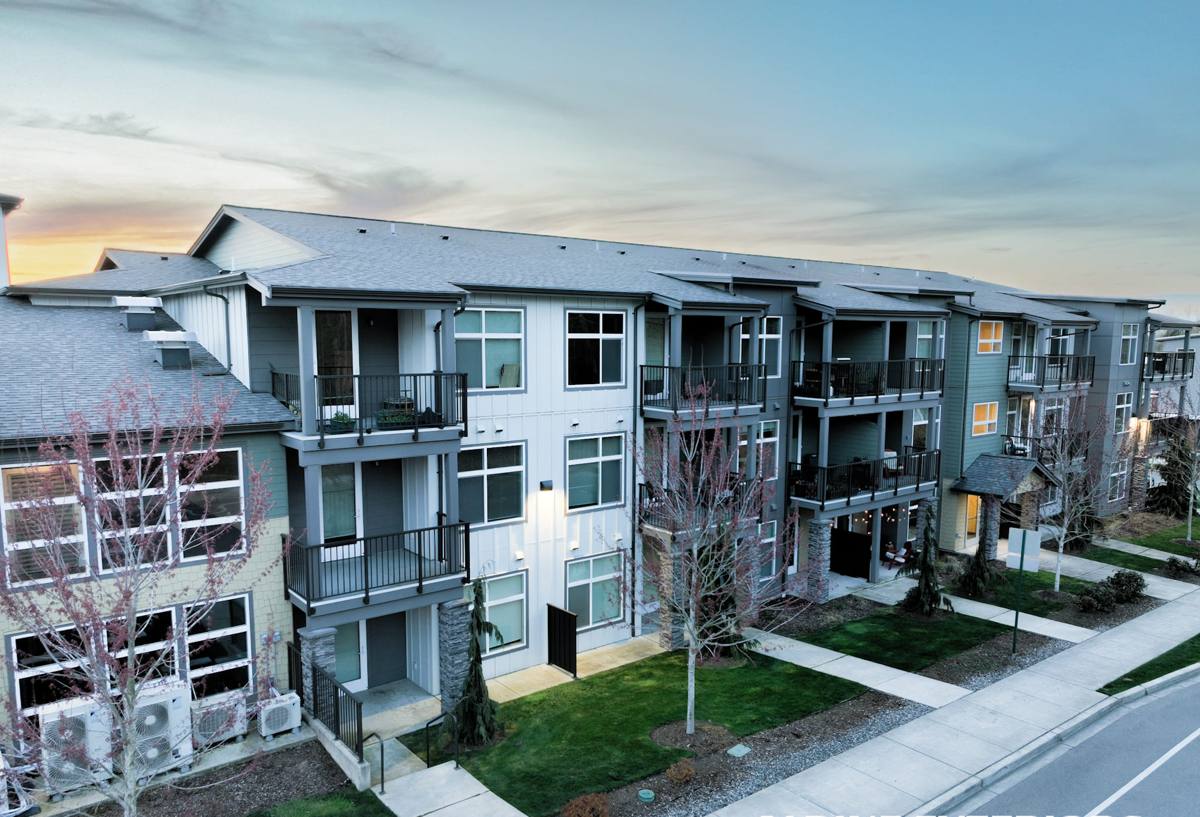
What Vinyl Siding Gets Right
It's worth being straightforward about this: vinyl siding earned its popularity honestly. It's lightweight, relatively inexpensive to purchase, and quick for crews to install, which keeps labor costs down. It doesn't need painting, and manufacturers have improved the color range and profile options considerably over the last decade. For homeowners on a tight budget who need any kind of updated exterior, vinyl is a real, legitimate option — and there are competent contractors in this area who install it well.
The issue isn't that vinyl is a bad product in the abstract. The issue is how it performs specifically in a marine climate with heavy, sustained rainfall and a near year-round moss season, which is exactly what Seattle and King County deliver.
Where It Tends to Hold Up Fine
- Drier, more moderate climates with less wind-driven rain exposure
- Budget-driven projects where lowest up-front cost is the deciding factor
- Homes with simple, flat wall planes and few penetrations (fewer seams and trim details to fail)
Where Vinyl Runs Into Trouble in Our Climate
Driving Rain and Seams
Vinyl siding is installed in overlapping panels that rely on a drainage plane behind them rather than a fully sealed surface. In moderate weather that's fine. But Seattle's storms frequently come in horizontally off the Sound, driven by wind, and that kind of wind-driven rain finds its way behind loose seams, unsealed J-channels, and butt joints far more easily than it would in a calmer climate. Once moisture gets behind vinyl, it can sit against the sheathing and framing for a long time before anyone notices, because the vinyl itself hides the problem.
Moss, Algae, and the Long Wet Season
King County's siding doesn't get much of a dry-out window. Vinyl's slightly textured, cooler surface and the shaded, damp wall sections common on Seattle lots (north-facing walls, tree-covered lots, homes tucked close together) give moss and algae exactly the conditions they need. Vinyl doesn't rot, but it does discolor, and the cleaning required to keep it looking presentable is a recurring maintenance chore homeowners often underestimate when they're comparing products at the buying stage.
Heat, Cold, and Expansion
Vinyl expands and contracts more than fiber cement with temperature swings. It's installed with room to move, which is normal, but it also means panels can warp, buckle, or pull away from fasteners over time — especially on south- or west-facing walls that see direct summer sun. It's rarely catastrophic, but it does show up as a wavy, uneven wall plane on older installations.
Impact and Brittleness
Cold weather makes vinyl more brittle. A ladder bump, a wind-thrown branch, or hail can crack a panel in a way that's difficult to patch invisibly, since color-matching older, sun-faded vinyl to a new replacement panel is close to impossible.
What James Hardie Fiber Cement Brings to the Table
Built for This Kind of Weather
James Hardie engineers specific product lines for different climate zones, and the HZ5 line is built for regions like ours — cold, wet, and prone to moisture cycling. Fiber cement is made from cement, sand, and cellulose fibers, pressed and cured into a dense, stable board. It doesn't expand and contract the way vinyl or wood does, it doesn't warp, and it holds paint and factory finish far more consistently over time.
ColorPlus Factory Finish
Rather than relying on field-applied paint, most Hardie siding on the homes we install carries the ColorPlus finish — a baked-on, factory-controlled coating applied under conditions no jobsite can replicate. It resists fading and chipping better than typical field paint and comes backed by its own finish warranty, separate from the substrate warranty on the board itself.
Non-Combustible
Fiber cement is non-combustible. That matters for insurance conversations in Washington as wildfire smoke seasons have become a more regular late-summer reality, and it's a meaningful difference from vinyl, which can melt or deform under heat exposure.
Moisture Behavior
Fiber cement doesn't wick or trap moisture the way wood-based products can, and it doesn't provide the same hidden cavity for water to sit unnoticed the way a loose vinyl seam can. It still needs correct flashing and a proper water-resistive barrier behind it — no siding material replaces good building science — but the material itself isn't the weak link in the system.
Side-by-Side Comparison
| Factor | Vinyl Siding | James Hardie Fiber Cement |
|---|---|---|
| Material composition | PVC plastic | Cement, sand, cellulose fiber |
| Combustibility | Melts/deforms under heat | Non-combustible |
| Expansion/contraction | Higher — can warp or buckle | Minimal — dimensionally stable |
| Impact resistance | Brittle in cold weather | Resists impact well when installed to spec |
| Moss/algae resistance | Prone to discoloration in shaded, damp areas | Holds finish better; still needs periodic washing |
| Finish | Color molded through, fades over time | ColorPlus factory finish or field paint, longer color retention |
| Typical lifespan (correctly installed) | 20-30 years | 30-50+ years |
| Upfront material + install cost | Lower | Higher |
| Warranty structure | Varies widely by manufacturer/grade | Long-term, transferable substrate warranty; separate finish warranty |
Installation Sensitivity — Why the Crew Matters as Much as the Material
Neither product performs well installed badly, but the two fail differently. Poorly installed vinyl tends to trap water quietly behind the panels, and problems often aren't visible until sheathing rot or mold shows up during an unrelated repair. Poorly installed fiber cement tends to show its problems sooner — improperly sealed butt joints or wrong fastener placement can cause visible cracking or finish failure at the seams — but it's also more forgiving of the region's moisture load when the install follows Hardie's published specifications: correct clearances from grade and roofing, proper flashing at every penetration, and factory-recommended fastening.
This is really the core of our position: we'd rather install one product exceptionally well, with crews who know its installation manual cold, than offer several products and spread that expertise thin. Every siding failure we've been called out to repair in the Seattle area traces back to either the wrong material for the exposure, or a correct material installed incorrectly — rarely one without the other.
Cost Considerations Over the Ownership Period
Vinyl usually wins on day-one price. But the comparison changes when you factor in the full ownership period:
- Cleaning frequency: vinyl in shaded, damp areas of King County often needs moss/algae washing more frequently to stay presentable
- Repair and replacement: matching faded vinyl panels years later is difficult; Hardie repairs blend more predictably
- Repainting: field-painted vinyl (less common) and older, chalked vinyl eventually need attention; ColorPlus-finished Hardie is engineered to go longer between refinishing
- Resale positioning: fiber cement is widely recognized by buyers and appraisers as a premium, durable siding choice
Warranty, Plainly
Vinyl warranties vary enormously by product tier and are frequently prorated, meaning the payout shrinks the longer you've owned the siding — read the fine print rather than the headline number. James Hardie's warranties on its fiber cement products are longer-term and transferable to a new owner if you sell, which is a meaningful detail for anyone who may not stay in the home for decades.
What to Ask Any Contractor Before You Choose a Siding Material
- Is this product's warranty full-value or prorated, and does it transfer if I sell the home?
- What's the manufacturer's recommended clearance from grade, decks, and roof lines for this material?
- How will seams, corners, and penetrations be flashed and sealed?
- What's this crew's specific experience installing this exact product, not just siding in general?
- What does routine maintenance actually look like five and ten years out?
- Is the finish factory-applied or field-applied, and what does that finish's warranty cover separately?
Why We Standardized on Hardie
We made the decision years ago to install only James Hardie fiber cement, and we've stuck with it because it matches the demands of Seattle and King County's climate — the sustained rain, the salt air drifting in off the Sound, and a moss season that barely lets up. It's not the cheapest siding on the market, and we say that plainly rather than dress it up. But between the climate-engineered HZ5 product line, the factory ColorPlus finish, the non-combustible material, and a warranty structure that actually transfers to a future owner, it's the product we're comfortable standing behind on our own installation work, year after year.
If you're weighing vinyl against fiber cement for your home, we're happy to walk the exterior with you, point out the specific conditions your walls face, and give you a straightforward, no-pressure estimate for a correctly installed Hardie system.