 Seattle
 Why Two Siding Quotes for the Same House Can Look Nothing Alike
If you've called around for siding quotes, you've probably noticed the numbers don't line up. One contractor's estimate is half of another's for what looks like the same job. That gap usually isn't one company padding their price and the other lowballing — it's that "siding replacement" isn't one job. It's a bundle of decisions about material, prep work, and scope, and every one of those decisions moves the final number.
This page won't hand you a made-up price-per-square-foot figure, because anyone who quotes you sight-unseen is guessing. What it will do is walk through the actual variables that determine your cost, so when bids come in, you know what you're looking at and why they differ.
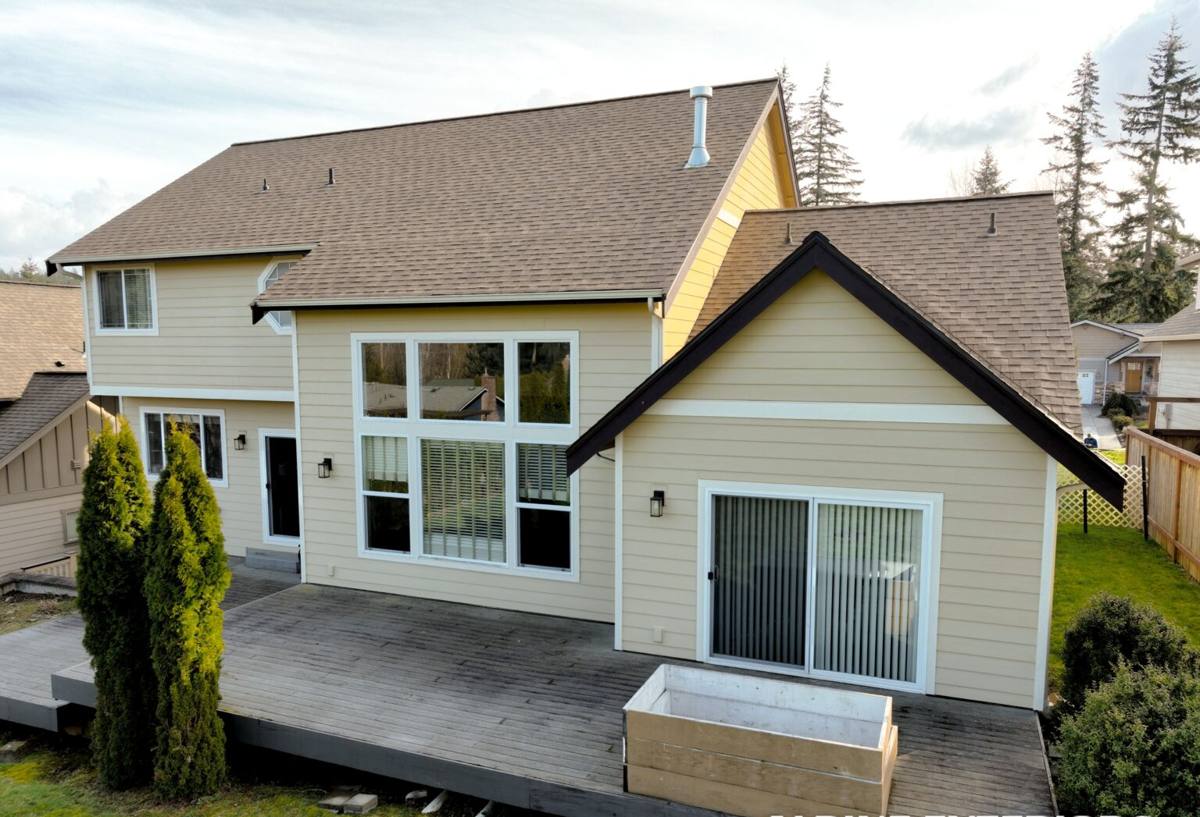
The Variables That Actually Set Your Price
Every siding job is priced from the same handful of inputs. Understanding them tells you more than any generic cost chart.
| Factor | Why It Matters |
|---|---|
| House size and shape | Square footage sets the baseline, but corners, gables, dormers, and cutouts around windows add labor time that flat wall area doesn't capture. |
| Tear-off vs. install-over | Removing old siding down to the sheathing costs more up front but lets us see and fix what's underneath. Installing over existing siding is sometimes possible but hides problems instead of solving them. |
| Sheathing and framing condition | If old siding has been leaking, there's often rot in the sheathing or framing that only shows up once the old material is off. This is the single biggest source of "surprise" cost on older Seattle homes. |
| Material chosen | Vinyl, engineered wood, cedar, and fiber cement all have different material and labor costs — more on this below. |
| Trim and detail work | Window and door trim, corner boards, fascia, and soffit work are often bundled into a siding job and can be a meaningful share of the total. |
| Height and access | Two-story and three-story homes, steep lots, and tight side yards all add staging, scaffolding, or lift time. |
| Paint or factory finish | Field-painted siding needs primer and paint labor now and repainting later. Factory-finished siding shifts that cost into the product price instead. |
Material Choice Moves the Number More Than Anything Else
Of everything on that list, material is the decision with the biggest long-term financial impact — not just what you pay on install day, but what you pay over the next 20 years in maintenance, repainting, and eventual replacement.
Vinyl
Vinyl is usually the lowest up-front cost per square foot and requires the least installation labor. The trade-off shows up over time: it can warp or fade, it doesn't hold paint (so a color change means replacement, not a repaint), and in a wind-driven-rain climate like ours, water that gets behind it can sit against the wall for a long time before anyone notices.
Engineered Wood (LP SmartSide and similar)
Engineered wood products sit in the middle of the cost range and look good going in. They're wood-based, which means they're combustible and vulnerable to moisture at cut edges and seams if the installer isn't precise. In a climate with a genuine moss season and months of steady rain, edge sealing and caulk maintenance aren't optional — they're the difference between a 20-year siding job and a 10-year one.
Cedar
Cedar costs more than either of the above and delivers a look a lot of homeowners want. It also demands the most ongoing care — refinishing on a real schedule, vigilance about moss and mildew, and vulnerability to pests and rot if maintenance slips. On a busy household budget, cedar's real cost is often the maintenance you didn't plan for in year eight.
Fiber Cement
Fiber cement — specifically James Hardie, which is the only siding we install — typically costs more than vinyl and is comparable to or above engineered wood at installation. What you're paying for is a non-combustible product engineered for wet climates, with a factory-applied ColorPlus finish that doesn't need repainting on the timeline that field-painted wood or trim does. We'll get into why we standardized on it further down.
What a Proper Siding Job Actually Includes
A lot of the price difference between bids comes down to what's actually included, not just the siding itself. A complete job typically covers:
- Removal and disposal of existing siding
- Inspection and repair of sheathing, framing, and any rot found underneath
- Installation of a proper weather-resistive barrier and flashing at windows, doors, and penetrations
- New siding, trim, and corner details installed to manufacturer spec
- Caulking and sealing at joints and transitions
- Cleanup and disposal
A bid that skips the weather barrier, doesn't mention flashing, or plans to install new siding directly over old without inspecting the wall behind it is a lower number for a reason. That reason usually surfaces a few years later as a moisture problem, not a savings.
What Seattle's Climate Adds to the Equation
Houses in King County take a specific kind of weather beating, and it shows up in siding decisions in ways homeowners in drier climates never have to think about.
Driving rain off the Sound pushes water sideways into wall assemblies, not just straight down, which makes flashing detail and drainage planes matter more here than in a lot of the country. Homes closer to Puget Sound also deal with salt air, which accelerates corrosion on fasteners and finish wear on materials that aren't built to handle it. And our long, damp shoulder seasons mean moss and mildew get a real foothold on any siding material that holds moisture at the surface — north-facing walls and shaded sides of the house especially.
None of that changes the fundamentals of pricing, but it does change which material makes financial sense over the life of the siding. A product that needs a repaint every several years, or that traps moisture at seams, costs more here over 20 years than the same product would in a drier region — even if the install-day price is identical.
Reading a Bid: What Separates a Real Number From a Lowball
When you're comparing quotes, the price alone tells you very little. Use this checklist to see what you're actually comparing:
- Does the bid specify the exact siding product, line, and profile — or just say "siding"?
- Does it include removal and disposal of the old material, or is that a separate line item you'll discover later?
- Does it mention sheathing inspection and a plan for what happens if rot is found?
- Does it call out flashing at windows, doors, and roof-to-wall intersections by name?
- Is a weather-resistive barrier specified, and which product?
- Does it include trim, corner boards, and paint or factory finish, or are those extras?
- Is there a warranty on both material and labor, and is it written down?
- Is the contractor licensed and insured in Washington, and can they show it?
A contractor who can answer all of these without hesitation is pricing a real scope of work. A contractor who can't is pricing a guess — and guesses tend to get expensive once the walls are open.
Why We Only Install James Hardie
We made a decision a while back to stop installing vinyl, engineered wood, and cedar, and put James Hardie fiber cement on every home we side. That's not a marketing position — it's the product we're willing to warranty our labor against in this climate. Hardie's HZ product lines are engineered specifically for the Pacific Northwest's wet conditions, the material is non-combustible, and the ColorPlus factory finish holds its color without the repaint cycle that field-applied paint requires. It costs more than vinyl and is in the same range as engineered wood, but it's the option we've found holds up to King County's rain, moss, and salt air with the least ongoing burden on the homeowner.
We'd rather turn down a job than install a product we don't think will perform here for the long haul. That's the whole reason this page exists.
Getting a Real Number for Your Home
The only way to get an accurate cost for your specific house is to have someone look at it — your square footage, your wall condition, your trim details, your access, and what's actually happening underneath your current siding. Online calculators and per-square-foot averages can't account for any of that.
If you're weighing a siding replacement in Seattle or elsewhere in King County, we're happy to come take a look and give you a straight, no-pressure estimate based on your actual house — not a guess. The form below gets that started.