 Seattle
 Exterior Work Built for Queen Anne's Hilltop Exposure
Queen Anne sits higher than most of Seattle, and that elevation cuts both ways. The views are part of what makes the neighborhood what it is, but that same exposure means homes up here take more direct wind and driving rain than houses tucked into lower, more sheltered parts of King County. Add in the moisture coming off Puget Sound and Lake Union, plus the shade from mature trees on the north and west slopes, and you have a neighborhood where exteriors work harder than average. We've built our approach around that reality rather than a one-size-fits-all install.
Queen Anne's housing stock is a mix — a good number of early-1900s homes with real character, alongside decades of infill and newer construction on the same blocks. That variety means no two exteriors need quite the same plan. What doesn't change is the climate they're all fighting: salt-tinged air, long wet seasons, and a moss problem that doesn't let up for months at a time.
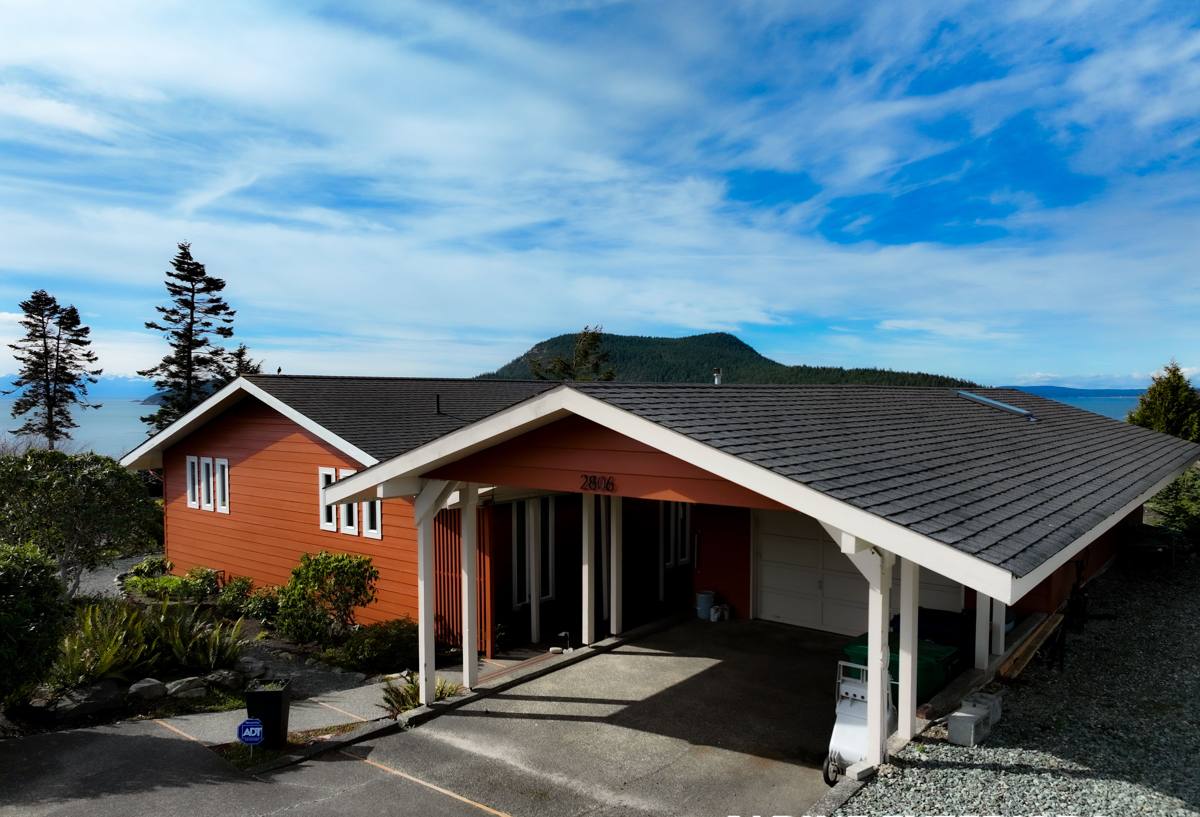
What the Local Climate Does to a House
Driving Rain and Wind Exposure
Because Queen Anne rises above the surrounding flats, wind-driven rain hits siding and roofing at more of an angle than it does in low-lying neighborhoods. That matters because most water intrusion problems on a house don't come from rain falling straight down — they come from wind pushing water sideways and upward, into laps, seams, and trim joints that were never designed to handle it. Materials and installation details that work fine on a sheltered lot can fail faster on an exposed hillside block.
Salt Air and Metal Fatigue
Homes with views toward the Sound or Lake Union get a steady, low-level dose of salt-laden air. It's not the same intensity you'd see on a beachfront property, but over years it accelerates corrosion on fasteners, flashing, gutters, and any exposed metal trim. Cheap or under-spec'd hardware shows this first — rust streaks, pitting, weakened fastener heads — long before the siding or roofing itself gives out.
The Long Moss Season
Between the tree cover on many Queen Anne lots and the region's extended wet stretch from fall through spring, moss and algae get a long runway to establish themselves on north-facing walls, roof valleys, and anywhere shade keeps a surface from drying out. Moss isn't just cosmetic — it holds moisture against the surface underneath it, which is exactly the condition that causes rot in wood-based products and accelerates coating breakdown on anything not built to resist it.
Why We Only Install James Hardie Siding
We get asked fairly often why we don't offer vinyl, LP SmartSide, cedar, or other fiber cement brands. It comes down to what actually holds up in a climate like this one. Vinyl siding can warp and become brittle with temperature swings and UV exposure, and its seams are a weak point against wind-driven rain. Engineered wood products like LP SmartSide rely on the wood staying dry — once moisture gets past the coating in a neighborhood with a moss and mildew season this long, the wood substrate is at risk. Cedar looks great when it's new, but it needs ongoing staining or sealing to keep moisture out, and that's a maintenance commitment a lot of homeowners underestimate until they're repainting every few years.
James Hardie fiber cement is non-combustible, doesn't rot, and is engineered specifically for climates like the Pacific Northwest through its HZ5 product line, which is formulated for regions with real moisture exposure. The ColorPlus factory finish is baked on under controlled conditions, so it holds color and resists the kind of fading and chipping that field-applied paint struggles with — that matters on an exposed hillside where sun, wind, and rain all hit the same wall. It also comes with a strong transferable warranty when installed to Hardie's specifications, which is the standard we install to on every job.
We're not going to tell you cedar or vinyl are bad products — they have real strengths and plenty of homes wear them fine in gentler climates. But on Queen Anne's hill, in this rain and this moss, we've made Hardie our standard because it's what we've seen perform with the least maintenance burden over the long run.
Roofing on an Exposed Hilltop
Roofs in this neighborhood deal with the same wind and moisture load as the walls below them, plus the added challenge of moss taking hold in shaded valleys and north slopes. A roof that isn't ventilated properly traps moisture underneath the surface, which shortens its life regardless of the material on top. When we work on a Queen Anne roof, we're looking at ventilation, flashing details around any penetrations, and how well the roof sheds water at the edges — not just the shingles or panels themselves.
Regular moss removal (done correctly, without damaging the roofing material) and keeping gutters clear go a long way toward extending a roof's service life here. Clogged gutters on a sloped, tree-lined lot are one of the most common — and most preventable — causes of water damage we see.
Windows: Draft, Moisture, and Older Frames
A lot of Queen Anne's older homes still have original or early-replacement window frames that were never built to today's air-sealing or moisture standards. On an exposed block, a poorly sealed window doesn't just cost you on heating bills — it's a direct path for wind-driven rain to get behind the trim and into the wall assembly. When we replace windows, we're paying close attention to flashing and integration with the surrounding siding, since a window is only as weather-tight as the seal around it, not just the glass in the middle.
Decks: Built for a Wet Climate, Not Just a Sunny Day
Decks in this climate live with moisture most of the year, not just during storms. The most common failure point isn't the decking surface — it's the ledger board connection to the house, where water tracks in behind poorly flashed framing and starts rot from the inside out, often unnoticed until it's a structural issue. We flash and detail deck-to-house connections with that in mind, and we talk with homeowners honestly about material choices, since a deck surface that looks good in a showroom can behave very differently after a few Puget Sound winters.
Comparing Siding Options for a Hillside Exposure
| Material | Moisture Behavior | Maintenance | Typical Lifespan Factors |
|---|---|---|---|
| James Hardie Fiber Cement | Non-combustible, engineered for wet climates (HZ5) | Low — factory finish resists fading/chipping | Long service life when installed to spec, strong transferable warranty |
| Vinyl | Seams vulnerable to wind-driven rain; can warp with temperature swings | Low, but limited repair options if damaged | Shorter lifespan in high-wind, high-UV exposure |
| Engineered Wood (e.g. LP SmartSide) | Relies on coating integrity to keep wood substrate dry | Moderate — coating needs monitoring over time | Risk increases if moisture reaches the substrate |
| Cedar | Natural material, absorbs moisture without upkeep | High — regular staining/sealing required | Shortens without consistent maintenance |
Why a Local Crew Makes a Real Difference
A crew that only works flat, sheltered lots in other parts of King County isn't necessarily thinking about wind loading, drainage planes, or moss exposure the way a Queen Anne project demands. We work throughout Seattle, and jobs on this hill get planned with the slope, the tree cover, and the wind exposure factored in from the start — not treated as an afterthought. That includes practical things like site access on narrower streets and steeper lots, which affects staging and scheduling as much as it affects the technical install.
Seattle's permitting requirements and King County building code also come into play on exterior projects, particularly for full siding replacement or structural deck work. Working with a crew that handles this regularly in the area means fewer surprises mid-project.
Signs Your Queen Anne Home Needs an Exterior Inspection
- Moss or dark streaking building up on north-facing siding or roof valleys
- Soft or spongy spots on deck ledger boards or framing near the house
- Paint or coating that's peeling, bubbling, or chalking faster than expected
- Drafts or fogging around older window frames, especially during wind-driven storms
- Rust streaking from fasteners, flashing, or gutter hardware
- Gutters that overflow or stay clogged despite regular cleaning
- Visible gaps or separation at siding seams and trim joints
How We Approach a Queen Anne Project
- An honest on-site assessment of your siding, roofing, windows, or deck — including what's actually causing any moisture or wear issues you're seeing
- A clear explanation of material and installation options, including why we install James Hardie for siding rather than alternatives
- A plan that accounts for your specific lot's exposure, shade, and drainage
- Installation done to manufacturer specification, since that's what protects your warranty coverage
- A finished exterior built to handle another Puget Sound winter, not just look good on install day
If you're noticing moss buildup, drafty windows, a deck that feels less solid than it used to, or siding that's showing its age, we're happy to take a look. Reach out for a free, no-pressure estimate — we'll walk the property with you and give you a straight assessment of what your home actually needs.