 Seattle
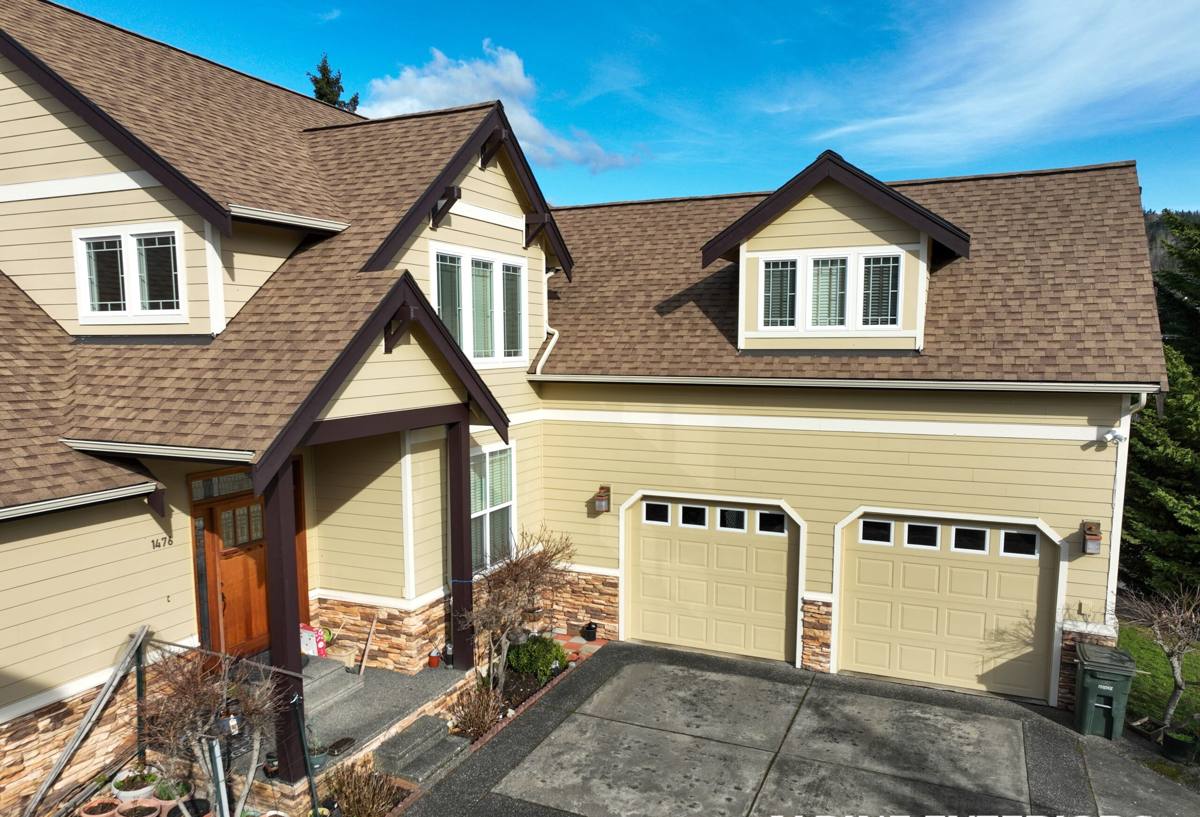
 Asphalt Shingle Roofing Built for Beacon Hill's Climate
Beacon Hill sits on a ridge above the Duwamish valley with views toward downtown Seattle and Puget Sound, and that elevation and exposure come with a trade-off: homes here take a steady beating from marine air, driving rain, and long stretches of gray, damp weather. Asphalt shingle roofs are still the most practical, cost-effective choice for the vast majority of Beacon Hill homes, but only when they're specified and installed with this specific climate in mind. A shingle system that would be fine in a drier inland climate can fail early here if the underlayment, ventilation, and flashing details aren't right for King County conditions.
We work on roofs across Seattle, and Beacon Hill's mix of older bungalows, mid-century ramblers, and newer infill homes gives us a good cross-section of what asphalt shingles need to do well in this part of the city long-term.
What This Climate Does to a Roof
Three things drive most of the shingle roofing problems we see on Beacon Hill homes:
- Salt-tinged marine air off Puget Sound accelerates corrosion on exposed metal — nails, flashing, and vent stacks in particular — well before the shingles themselves are due for replacement.
- Driving rain during fall and winter storms doesn't just fall straight down; wind-driven rain gets pushed sideways and upward under shingle edges, valleys, and flashing laps if those details weren't installed with enough overlap and sealing.
- A long moss season, often eight months or more, means shaded and north-facing roof slopes stay damp for extended periods. Moss and algae take hold, hold moisture against the shingle surface, and gradually lift shingle edges and degrade the granule layer that protects the asphalt underneath.
None of this means asphalt shingles are a bad fit for Beacon Hill — they're not. It means the installation has to account for these stresses instead of following a generic spec sheet.
Why Roof Age Alone Doesn't Tell the Whole Story
Two shingle roofs of the same age in Beacon Hill can be in very different condition depending on slope orientation, tree cover, and how well the original installation handled moisture. A roof under mature trees on a shaded northern exposure will often need attention years before a roof of the same age on a sun-exposed, well-ventilated slope. That's why we look at actual condition — granule loss, moss colonization, flashing wear, attic moisture — rather than just counting years since installation.
What a Correct Shingle Roof Job Involves Here
A shingle roof is a system, not just a layer of shingles. On Beacon Hill homes, the parts that matter most given the local weather are:
Underlayment
A quality synthetic or self-adhered underlayment is non-negotiable in this climate. It's the backup layer that protects the roof deck if wind-driven rain gets past the shingles, which happens more often here than in drier regions. In vulnerable areas — eaves, valleys, and around penetrations — we use self-adhered ice-and-water-type membrane even though Seattle doesn't see much ice, because that same membrane also seals against wind-driven rain intrusion.
Flashing
Step flashing at walls, valley flashing, and flashing around chimneys and vents needs to be corrosion-resistant and properly lapped, not just caulked. Given the salt air off the Sound, we favor flashing materials and fasteners that hold up to that exposure rather than the cheapest option available, since flashing failures are one of the top causes of hidden leaks on older Beacon Hill roofs.
Ventilation
Proper intake and exhaust ventilation keeps the attic and roof deck at a consistent temperature and moisture level. In a marine climate, poor ventilation traps humid air against the underside of the roof deck, which shortens shingle life from below and can lead to rot and mold that homeowners never see until it's a larger repair.
Shingle Selection
Algae-resistant (AR) shingles, which include copper-containing granules, make a real difference on shaded Beacon Hill roofs where moss and algae are a persistent problem. We also weigh wind rating, since exposed ridgelines in this area can see gusty winter storms.
Our Process for a Beacon Hill Roofing Project
- On-site inspection. We walk the roof and attic, checking shingle condition, flashing, ventilation, decking, and any moss or moisture damage specific to that home's exposure and slope.
- Honest assessment. We'll tell you plainly whether the roof needs full replacement, a targeted repair, or just a maintenance service like moss treatment — we don't upsell a replacement when a repair will genuinely hold up.
- Written scope and estimate. You get a clear breakdown of materials, tear-off scope, flashing and ventilation work, and cost before anything is scheduled.
- Tear-off and deck check. On replacements, we remove old material down to the deck and inspect for rot or soft spots, which are common on older Beacon Hill homes with a history of moss-related moisture.
- Installation. Underlayment, flashing, and shingles go in following manufacturer specs plus the added moisture protection this climate calls for.
- Final walkthrough. We review the completed work with you, including any ventilation or gutter recommendations to protect the new roof going forward.
Repair, Replace, or Maintain: How to Tell
Not every roofing issue on a Beacon Hill home means a full replacement. Here's a general guide we use when evaluating a roof:
| Condition Observed | Likely Approach | Why |
|---|---|---|
| Isolated missing or damaged shingles, roof otherwise sound | Targeted repair | Localized wind or debris damage doesn't require replacing an otherwise healthy roof |
| Heavy moss growth, granules intact underneath | Moss treatment and cleaning | Removing moss and improving airflow can add years of life if the shingles haven't degraded |
| Widespread granule loss, curling, or brittle shingles | Full replacement | The shingles have lost their protective layer roof-wide; patching won't restore performance |
| Recurring leaks at valleys or chimney flashing | Flashing repair or replacement | Flashing is often the actual failure point even when shingles look fine |
| Attic shows signs of moisture or poor airflow | Ventilation upgrade, possibly paired with repair | Addressing ventilation prevents the same damage from recurring after repair work |
Moss, Gutters, and Ongoing Care
Given how long the moss season runs in this part of King County, a shingle roof in Beacon Hill benefits from periodic upkeep even after a quality installation. A simple maintenance routine goes a long way:
- Keep gutters clear of debris so water isn't backing up under the shingle edge during heavy rain
- Have moss growth addressed before it spreads across the whole slope, rather than after it's established
- Trim back overhanging branches on shaded sides to reduce the moisture and debris that feed moss
- Schedule a roof check after major windstorms to catch lifted or displaced shingles early
- Watch for granule buildup in gutters and downspouts, which signals the shingle surface is wearing
None of this requires aggressive pressure washing, which can strip granules and shorten shingle life — gentler cleaning methods protect the roof while still controlling moss.
Why Local Experience on Beacon Hill Matters
Beacon Hill isn't a uniform grid — elevation changes, tree cover, and orientation to the Sound vary block by block, and those differences change how a roof ages. A crew that regularly works this neighborhood, and Seattle more broadly, has a feel for which slopes tend to hold moss, which street-facing exposures take the worst of the driving rain, and which older homes are more likely to have outdated or undersized ventilation. That local pattern recognition shortens the inspection process and helps us flag problems before they become expensive.
It also matters for permitting and code compliance. Roofing work in Seattle and unincorporated King County can involve permit requirements depending on scope, and a contractor who works in this jurisdiction regularly already knows what's expected rather than learning it on your project.
What Homeowners Should Ask Before Hiring
Because roofing is a major investment and a safety-sensitive trade, it's worth vetting any contractor carefully, whether that's us or someone else:
- Are they licensed and insured to work in Washington State, and can they show proof?
- Do they provide a written, itemized estimate before work begins?
- Will they inspect the roof deck during tear-off rather than just laying new shingles over unknown conditions?
- What manufacturer warranty applies, and does their installation qualify for the enhanced warranty tiers that require certified installation?
- Do they explain their ventilation and flashing plan, or only talk about shingle brand and color?
A contractor who welcomes these questions and answers them plainly is generally a good sign; vague answers about licensing or scope are worth taking seriously as a red flag.
Get an Estimate for Your Beacon Hill Roof
If your Beacon Hill roof is showing moss, granule loss, flashing wear, or you're just due for an honest inspection, we're happy to take a look. There's no pressure and no obligation — just a straightforward assessment of what your roof actually needs and what it would cost to address it. Reach out through the form below to schedule a free estimate.