 Seattle
 Exterior Work Built for Beacon Hill's Climate
Beacon Hill sits on one of Seattle's ridgelines, with homes ranging from early-1900s bungalows to mid-century houses to newer infill construction. What most of these homes share, regardless of age or style, is exposure. The hill's elevation and open aspect toward the water mean many properties catch wind and weather that lower, more sheltered parts of the city don't feel as directly. Add in King County's long wet season and the tree canopy that shades many lots, and you get a specific combination of stressors on siding, roofing, windows, and decks that a generic exterior job won't hold up against.
We work throughout Seattle and King County, but we treat Beacon Hill's exterior challenges as their own category. A house facing open air on a slope sheds and catches water differently than one tucked into a low, tree-covered lot two blocks away. Both conditions show up on this hill, sometimes on the same block.
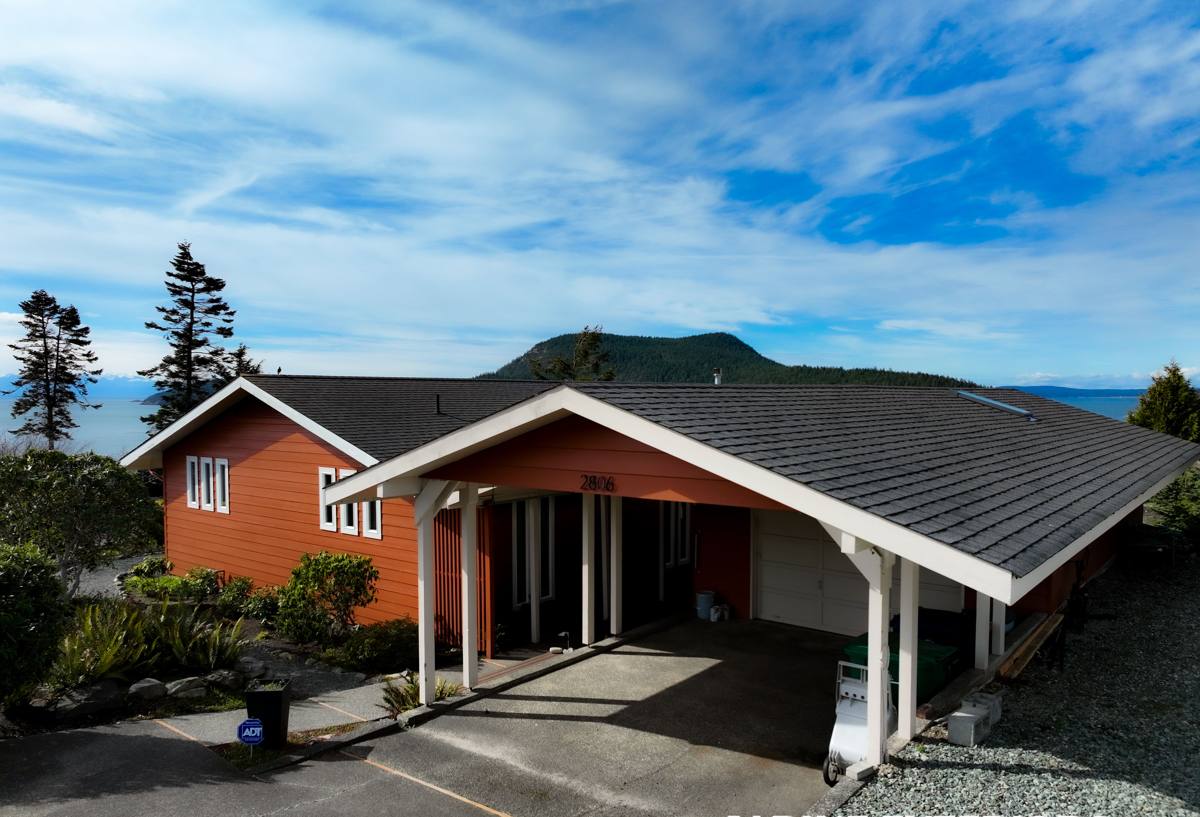
What the Regional Climate Does to a House on This Hill
Salt Air and Wind Exposure
Homes with any real exposure toward Puget Sound pick up airborne salt, especially during winter storms with sustained onshore wind. Salt-laden moisture accelerates corrosion on fasteners, flashing, and metal trim, and it degrades paint and coatings faster than inland exposure does. Over years, this shows up as pitting on hardware, chalking or fading on painted surfaces, and premature failure at the metal-to-wood or metal-to-siding joints where corrosion starts and spreads.
Driving Rain
Seattle's rain isn't just frequent, it's often wind-driven, which means water gets pushed sideways into laps, seams, and trim intersections that would stay dry in a straight-down rain. On an exposed hill lot, driving rain finds every weak point in flashing, caulk, and siding overlap. Once water gets behind a cladding material, the damage is usually happening out of sight for months or years before it becomes visible.
The Long Moss Season
Shaded lots, north-facing roof slopes, and the tree cover common on parts of Beacon Hill create ideal conditions for moss and algae growth for much of the year. Moss holds moisture against roofing and siding surfaces far longer than open sun would allow, and its root structures can work into shingle granules, wood grain, and hairline cracks in siding. Left unmanaged, moss doesn't just look bad, it actively shortens the life of whatever it's growing on.
Siding: Why We Only Install James Hardie Fiber Cement
Given the combination of salt exposure, driving rain, and moss pressure, siding choice matters more here than in a mild, sheltered climate. We install James Hardie fiber cement exclusively, and we don't install LP SmartSide, vinyl, Cemplank, Allura, primed spruce, or cedar. That's not a marketing position, it's a standard we hold because of what we've seen these materials do, and not do, in Pacific Northwest conditions over time.
Where the alternatives fall short here
- Vinyl siding expands and contracts with temperature swings and can warp or crack under wind load; it also traps moisture behind it if installed with tight seams, which is a real risk in a driving-rain climate.
- Cedar is a beautiful, honest material, but it demands ongoing sealing and staining to resist moisture and moss, and on a shaded or exposed Beacon Hill lot, that maintenance cycle comes faster and costs more over the life of the siding.
- Primed spruce and other engineered wood products rely heavily on the integrity of the factory primer and field paint; once that coating is compromised by driving rain or moss, the wood substrate underneath is vulnerable to rot.
- LP SmartSide, Cemplank, and Allura are all reasonable products in the right hands, but we've standardized on one system so our crews install it to the same spec every time, and so warranty claims have one clear path back to the manufacturer.
Why Hardie fits this climate
James Hardie fiber cement is non-combustible, dimensionally stable in wet-dry cycling, and resistant to moss and pest damage in a way wood-based products aren't. The factory-applied ColorPlus finish is baked on under controlled conditions, which holds color and resists fading from UV and salt exposure far longer than field-applied paint. Hardie's HZ5 product line is engineered specifically for climates with sustained moisture exposure, which describes Beacon Hill's weather for a good chunk of the year. The backed warranty is transferable if you sell the house, which matters on a hill where homes turn over regularly.
Roofing for Wind, Rain, and Moss
Roofing on Beacon Hill has to handle two different problems depending on where the house sits: wind-driven rain on exposed slopes, and moss and moisture retention on shaded, tree-covered lots. We look at both when we assess a roof, not just visible wear. That means checking flashing at every penetration and valley, confirming underlayment is intact where wind has had a chance to lift shingle edges over the years, and identifying moss growth patterns that point to shaded areas needing more frequent maintenance or better ventilation.
Ventilation matters more here than people expect. A roof deck that can't dry out between rain events stays damp longer, which feeds moss and accelerates shingle degradation from underneath. Correcting ventilation is sometimes a bigger factor in roof longevity than the shingle brand itself.
Windows: Sealing Against Driving Rain
Window failures on exposed Beacon Hill homes are rarely about the glass. They're almost always about the seal, the flashing, and the integration between the window unit and the surrounding wall assembly. Wind-driven rain will find a poorly flashed window and push water behind the trim, where it can sit against sheathing and framing unnoticed. When we replace windows, the flashing and water management detail around the opening gets as much attention as the window unit itself, because that's the part that actually keeps a driving rain out.
For homes with real wind exposure, we also talk with homeowners about frame material and glazing performance, since a window that isn't rated for the wind loads this hill sees can underperform even when it's installed correctly.
Decks: Built to Shed Water, Not Hold It
Decks take a beating from the same moisture cycle that affects roofs and siding, plus the added stress of foot traffic and standing water on horizontal surfaces. On shaded or tree-covered lots, moss and algae buildup on deck boards creates a slip hazard as well as a maintenance headache. We build and repair decks with attention to drainage, ledger flashing, and structural connections, since a deck that traps water at the ledger board or between joists will rot from the inside long before the surface boards show obvious damage.
Comparing Cladding Options for Beacon Hill Conditions
| Material | Moisture Behavior | Moss/Algae Resistance | Maintenance Cycle |
|---|---|---|---|
| James Hardie Fiber Cement | Dimensionally stable, doesn't rot | Resistant, non-organic surface | Occasional wash, no repainting for years |
| Cedar | Absorbs moisture, prone to swelling | Susceptible without treatment | Re-stain/seal every few years |
| Vinyl | Can trap moisture behind panels | Moderate, but seams collect grime | Low, but limited repair options if damaged |
| Primed Spruce/Engineered Wood | Vulnerable once coating fails | Susceptible if coating compromised | Repaint on a shorter cycle than fiber cement |
What to Check on Your Own Exterior
- Moss or dark streaking on north-facing or shaded roof slopes
- Soft or spongy siding, especially near ground level or under windows
- Rust staining below fasteners, flashing, or metal trim
- Peeling or chalking paint on siding that faces open wind exposure
- Water stains on interior walls near window and door openings
- Standing water or slick, mossy buildup on deck boards
- Gaps or cracking in caulk lines around windows and trim
Why a Local Crew Matters on This Hill
Beacon Hill's mix of building eras and its varying exposure from block to block mean two houses close together can need very different approaches. A crew that works across Seattle and King County regularly sees this pattern and knows to ask about a home's specific exposure and shade before recommending a fix, rather than applying the same solution everywhere. Local crews also know which details tend to fail first in this weather, so inspections and estimates focus on the parts of a house that actually matter here, not a generic checklist written for a different climate.
Get a Free, No-Pressure Estimate
If you're dealing with moss buildup, water intrusion, aging siding, or you're just planning ahead for a home on this hill, we're happy to take a look and give you an honest assessment. There's no cost and no pressure, just a straight read on what your exterior needs and what it doesn't.