 Seattle
 What Rainier Valley's Climate Does to a House
Rainier Valley sits in the low ground between Beacon Hill and Lake Washington, and that geography shapes what a house here deals with year-round. Cool, moist air settles into the valley, tree cover along the residential streets stays thick through the wet months, and the combination keeps painted wood, older siding, and shaded roof planes damp far longer after a storm than homes on higher, more exposed ground. Seattle's rainy season isn't dramatic — it's persistent, and persistence is what actually wears an exterior down.
Add in the broader Puget Sound region's marine climate, and you get a slow, cumulative kind of weathering: moss finds a foothold on north-facing roof slopes and shaded siding, driving rain works into any gap in flashing or caulk, and humidity keeps wood products from ever fully drying out between rain events. None of this is unique to Rainier Valley, but the neighborhood's mature tree canopy and low-lying pockets mean the effects show up a little earlier and a little worse than they do in more open, sun-exposed parts of King County.
The Housing Stock in This Neighborhood
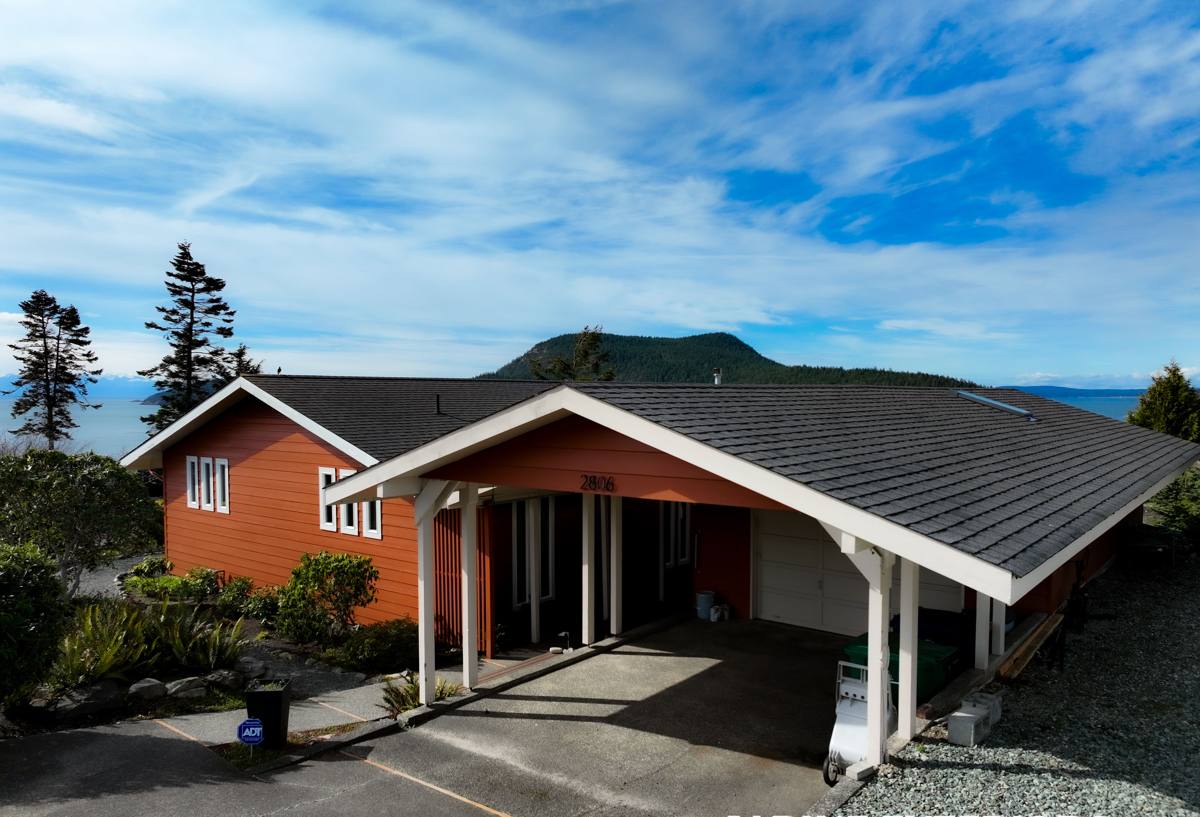
Rainier Valley has one of the more varied housing mixes in Seattle — early-1900s bungalows and foursquares, mid-century ramblers, postwar infill, and a growing number of newer townhomes and multiplexes built to fill in lots along the arterial streets. That variety matters for exterior work. An older bungalow with original wood siding and a low-slope rear addition needs a different inspection approach than a 1990s rambler with T1-11 panel siding, and both are different again from a newer build with fiber cement or engineered wood already installed.
A crew that works this area regularly gets a feel for which housing eras tend to have which problems — where the original siding was never back-primed, where additions were tied into the main roof without proper step flashing, where old paint is masking rot instead of protecting against it. That pattern recognition speeds up diagnosis and keeps estimates honest instead of guesswork.
Why a Local Crew Is Worth Something
Exterior work in Seattle isn't just about materials and technique — it's about knowing the permitting process at Seattle Department of Construction and Inspections, understanding how King County's building code treats re-siding versus new construction, and being realistic about what a crew can actually get done between rain windows from October through April. A contractor unfamiliar with this area might quote a siding or roofing job the same way they would in a drier climate, and that's exactly how installs end up trapping moisture instead of shedding it.
Being local also means being reachable. If a newly installed roof develops a leak during the first big atmospheric river of the season, or a siding seam needs a second look after settling, a crew based in the Seattle area can get back out to the property without the delay and travel cost of an out-of-town operation. That accountability is part of what you're paying for, even if it never shows up as a line item. Rainier Valley's mix of narrow residential streets, mature street trees, and the light rail corridor running through the neighborhood also means access and material staging take a bit more planning than they would on a wide-open suburban lot — another reason we schedule this work ourselves instead of subcontracting it out to whoever is available.
Siding: Why We Install James Hardie and Nothing Else
We install James Hardie fiber cement siding exclusively. We don't install vinyl, LP SmartSide, Cemplank, Allura, primed spruce, or cedar — not because those products can't be installed correctly by someone, but because we've made a professional decision about what holds up best in this specific climate and what we're willing to stand behind with our own labor.
Vinyl siding is inexpensive and low-maintenance, but it's a petroleum-based product that expands and contracts with temperature swings, can warp or crack under impact, and offers essentially no fire resistance. Wood-based engineered siding like LP SmartSide performs well when it's kept dry and maintained on schedule, but it's still an engineered wood product, and engineered wood and Pacific Northwest humidity have a long, complicated history. Primed spruce and raw cedar require the most upkeep of all — regular refinishing, careful caulking, and vigilant moisture management — because unlike fiber cement, wood siding is dimensionally reactive to the moisture in the air around it, which in Rainier Valley is almost always elevated.
James Hardie fiber cement is a mix of cement, sand, and cellulose fibers, engineered specifically for climate zones like ours through Hardie's HZ5 product line. It doesn't rot, it's not a food source for moss or mildew the way bare wood can be, it holds its ColorPlus factory finish for decades without repainting, and it's non-combustible. It's also more installation-sensitive than vinyl — proper flashing, gapping, and fastening matter more with fiber cement — which is another reason we treat it as a specialty rather than one product among many.
What Correct Hardie Installation Looks Like
Fiber cement performs the way it's supposed to only when it's installed the way it's engineered to be installed. That means proper weather-resistive barrier and flashing behind every seam and penetration, correct fastener spacing and depth, a consistent gap at the bottom of the siding for drainage, and factory-cut or properly sealed field cuts so the fiber cement's core is never left exposed to standing water. Rushed or undertrained installation is where fiber cement gets its occasional bad reputation — the material itself is sound, but a poor install can undermine even the best product.
| Siding Material | Moisture Behavior in Wet Climates | Maintenance | Fire Resistance |
|---|---|---|---|
| James Hardie fiber cement | Dimensionally stable, doesn't absorb and swell like wood | Low — no repainting for the life of the ColorPlus finish | Non-combustible |
| Vinyl | Doesn't rot, but seams and gaps can trap moisture behind panels | Low, but prone to warping and cracking over time | Poor — can melt and contribute to fire spread |
| LP SmartSide (engineered wood) | Vulnerable to swelling and edge damage if moisture gets in | Moderate — needs periodic inspection and re-sealing at joints | Better than raw wood, still combustible |
| Cedar / primed spruce | Absorbs and releases moisture constantly; highest risk of rot | High — refinishing and caulk maintenance every few years | Combustible |
Roofing
Roofs in Rainier Valley deal with two related problems: moss and prolonged moisture retention under tree canopy, and the general wear that comes from a roof rarely getting a full dry-out between storms during the wet season. Moss growth on shaded, north-facing slopes isn't just cosmetic — as it spreads, it holds water against the roofing material and can work its way under shingle edges, gradually shortening the life of the roof.
Our roofing work covers inspection, repair, and full replacement, with attention to the details that matter most in this climate: proper underlayment, correctly lapped flashing at every valley and penetration, adequate attic ventilation to keep the roof deck from staying damp from the inside, and gutter and drip-edge details that actually move water away from the fascia and siding below instead of dumping it against the wall.
Moss Season and Timing Your Exterior Work
Moss in this part of King County isn't a one-time nuisance — it's seasonal and cumulative. Spores spread most actively during the cooler, wetter months from roughly October through April, which means late summer and early fall, before the heaviest rains set in, is usually the best window for roof cleaning, moss treatment, and any siding or trim repairs that need a dry stretch to cure properly. Waiting until moss is visibly thick on a roof or siding usually means the damage underneath is already further along than it looks from the ground. We factor this seasonal timing into how we schedule inspections and recommend maintenance for homes in this neighborhood, rather than treating every property on the same generic calendar.
Windows
Old, single-pane, or poorly flashed windows are one of the most common places water finds its way into a wall assembly here. In a valley that stays damp for months at a stretch, a window that isn't properly flashed and sealed doesn't just leak — it can feed moisture into the wall cavity where it's invisible until the damage is already extensive. We install and replace windows with attention to proper flashing integration with the surrounding siding or wall assembly, not just the window unit itself, and we look at energy performance too, since Seattle's heating season is long even when winters aren't especially cold. Condensation on the inside of older windows during the coldest, dampest weeks of the year is often a sign of failed seals or poor insulation around the frame, not just normal humidity, and it's worth having a professional look at rather than wiping it down and hoping it improves on its own.
Decks
A deck in Rainier Valley spends much of the year wet, shaded by trees, or both. That combination accelerates rot in structural framing, loosens fastener connections, and makes slip-resistant surfaces more important than they'd be in a drier climate. We build and repair decks with ledger flashing and structural connections sized for real Pacific Northwest exposure, and we talk homeowners through decking material trade-offs — composite decking sheds moisture and resists rot better than raw wood but costs more up front, while wood decking is more affordable initially but needs more frequent sealing and inspection to hold up in this kind of moisture cycle.
How We Work Through a Rainier Valley Project
- A no-pressure walkthrough of the exterior — siding, roof, windows, and any deck or structural elements — to identify current problems and areas likely to become problems.
- A written scope and estimate that spells out material, labor, and any code or permitting requirements specific to the project.
- Scheduling that accounts for Seattle's weather patterns, since certain siding and roofing work needs a reasonable dry window to install correctly.
- On-site work with attention to the flashing, gapping, and drainage details that matter most in a wet climate — not just the visible finish.
- A final walkthrough so you know exactly what was done and what maintenance, if any, it needs going forward.
Signs Your Exterior Needs a Closer Look
- Moss or dark streaking on roof slopes, especially shaded north-facing sections
- Soft, spongy, or visibly warped siding, particularly near ground level or under downspouts
- Paint that's peeling, bubbling, or repeatedly failing in the same spots
- Window sills or interior trim that feel damp or show staining after heavy rain
- Gutters that overflow during normal storms rather than only extreme ones
- Deck boards that stay damp long after the rain has stopped, or fasteners that have started to rust or back out
- Visible gaps, cracks, or separation at siding seams and trim joints
What Affects Cost on a Rainier Valley Exterior Project
| Factor | Why It Matters Here |
|---|---|
| Home age and existing siding/roofing material | Older housing stock often needs more prep, repair, or hidden damage remediation before new material goes on |
| Access and lot layout | Narrower lots and mature landscaping common in this neighborhood can affect staging and labor time |
| Extent of moisture damage found during removal | Rot or water intrusion discovered once old siding or roofing comes off adds scope that isn't visible in an initial estimate |
| Roof complexity | Valleys, dormers, and multiple roof planes each add flashing detail and labor |
| Material choice | Fiber cement, composite decking, and higher-performance windows cost more up front than lower-tier alternatives but require less ongoing maintenance |
If you're noticing moss buildup, aging siding, a roof that's due for a look, or windows that never quite feel sealed against the rain, we're happy to walk the exterior with you and give you a clear, honest picture of where things stand. Reach out for a free, no-pressure estimate — there's a form right below this section.