 Seattle
 Why Columbia City's Climate Puts Real Demands on a Roof
Columbia City sits in one of Seattle's older, tree-canopied neighborhoods, and that canopy is a mixed blessing. The mature trees that make the streets pleasant also mean more organic debris landing on roofs, more shade holding moisture on north-facing slopes, and a longer window each year where a roof surface simply doesn't dry out between rain events. Add in King County's long wet season, driving rain that comes in sideways during winter storms, and the region's well-earned reputation for moss growth, and you have a climate that is genuinely hard on roofing materials that aren't installed with that specific combination in mind.
Metal roofing handles this environment well when it's specified and installed correctly, but "metal roofing" isn't one product — it's a category, and the wrong choice for a shaded, rain-heavy lot can create the exact problems homeowners were trying to avoid. This page focuses specifically on what metal roofing needs to do right in Columbia City, not generic installation talk.
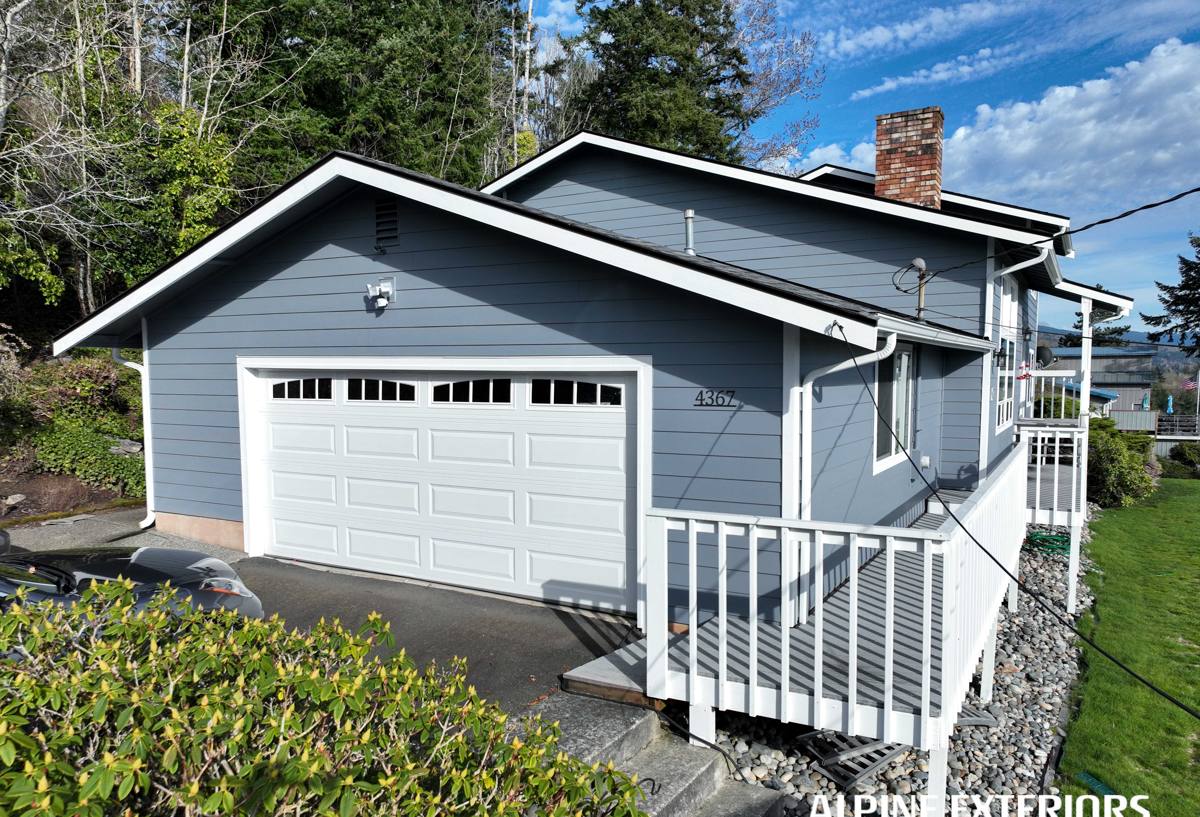
What a Metal Roof Has to Manage in This Neighborhood
Sustained, Driving Rain
Seattle rain is rarely a hard downpour — it's more often a steady, wind-driven soak that can last for days. That pattern tests every seam, fastener, and flashing detail on a roof far more than an occasional heavy storm would. Metal roofing performs well against this kind of exposure because a properly lapped or seamed panel sheds water continuously rather than relying on the roof drying out between rain events the way some other materials do.
Moss and Shade
Tree cover and long grey stretches without direct sun create ideal conditions for moss, algae, and lichen. On roofing materials with a porous or granular surface, that growth can work its way into the material itself over time. Metal is a hard, smooth, non-porous surface, so moss and algae sit on top of it rather than rooting into it — which makes it far easier to keep clean and far less likely to suffer material breakdown from prolonged moisture contact.
Wind and Regional Storm Exposure
Puget Sound weather systems bring gusty wind events through the fall and winter. A metal roofing system with the correct fastening pattern, panel engagement, and edge detailing holds up to sustained wind loads better than materials that rely on adhesive strips or gravity alone.
Choosing the Right Metal Roofing System
Not every metal roofing product is a good fit for every home. The decision usually comes down to roof pitch, budget, and how much the homeowner values a completely concealed fastening system versus a lower upfront cost.
| System | How It's Fastened | Best Fit | Trade-Offs |
|---|---|---|---|
| Standing Seam | Concealed clips, seams mechanically locked | Most roof pitches, long-term low-maintenance goals | Higher material and labor cost; requires an experienced crew to seam correctly |
| Exposed Fastener Panel | Screws through the panel face, with washers | Budget-conscious projects, outbuildings, some steeper residential roofs | Fasteners can loosen or the washers degrade over time and need periodic checking |
| Metal Shingle / Shake | Interlocking panels styled like traditional shingles | Homes wanting a metal roof's performance with a more traditional look | More seams and detail work than standing seam; installation quality matters even more |
For most Columbia City homes — especially ones with significant tree cover or north-facing slopes that stay damp longer — we lean toward standing seam because the concealed fastener design leaves no exposed penetrations for water or moss to work into over the life of the roof. That said, an exposed fastener system installed correctly and maintained on a normal inspection schedule is a legitimate option for the right project and budget, and we'll walk through the honest trade-offs rather than push one system regardless of fit.
What a Correct Metal Roof Installation Actually Involves
Metal panels themselves are durable, but the roof's real weather resistance comes from everything underneath and around them. This is where a lot of the difference between a roof that performs for decades and one that develops leaks within a few years gets decided.
- Underlayment: A high-quality synthetic or self-adhered underlayment rated for metal roofing, not a generic felt product, gives you a real secondary water barrier if wind-driven rain ever gets past the panel seams.
- Ventilation: Metal roofs need proper intake and exhaust ventilation in the attic space to prevent condensation from forming on the underside of the panels — a common and avoidable cause of hidden moisture problems.
- Flashing details: Valleys, chimneys, skylights, and wall intersections need custom-formed flashing, not one-size-fits-all trim, especially on the varied rooflines common in this neighborhood's older housing stock.
- Fastener pattern and panel engagement: Whether it's clips or exposed screws, spacing and torque matter — over- or under-driven fasteners are a leading cause of early failures.
- Edge and eave detailing: Correct drip edge and eave flashing keep wind-driven rain from being pushed back up under the panel at the roof's lowest point, which is where Seattle's sideways rain does the most damage.
Our Process on a Columbia City Metal Roof
Assessment
We start with a full roof and attic inspection — pitch, existing decking condition, ventilation, tree exposure, and any moss or moisture already present. This tells us which metal system actually fits the home, not just what looks good.
Tear-Off and Deck Prep
Old roofing comes off down to the deck so we can check for rot or soft spots, which is common on older Columbia City homes where a previous roof may have trapped moisture under it for years. Any damaged decking gets replaced before a single panel goes down — covering a compromised deck is how good roofs fail early.
Underlayment and Flashing
We install underlayment rated for the specific metal system, then form and install custom flashing at every valley, penetration, and transition rather than relying on stock pieces that don't match the roofline.
Panel Installation
Panels are installed to the manufacturer's fastening specification for our wind and rain exposure, with attention to consistent seam engagement or fastener torque across the whole roof, not just the visible sections.
Final Walkthrough and Cleanup
We check every seam, flashing point, and fastener before we consider the job done, and we clear debris and old material fully — a roofing job that leaves nails and scraps in the yard isn't finished.
Keeping a Metal Roof Performing Through Moss Season
One of the real advantages of metal roofing in this climate is how little ongoing maintenance it needs compared to porous materials — but "little" isn't "none," especially under heavy tree cover.
- Clear leaves and needles from valleys and gutters before the fall rains set in, since trapped debris holds moisture against the panel longer than open runoff would.
- Rinse visible moss or algae growth with plain water rather than a pressure washer, which can damage seams and coatings.
- Check gutters and downspouts each fall — metal roofs shed water fast, and undersized or clogged gutters can't keep up with the volume during a heavy Seattle storm.
- Have flashing and fastener points checked periodically, particularly after any major wind event.
- Trim back branches that overhang the roofline where practical, reducing both debris load and prolonged shade on that section.
Cost Factors on a Columbia City Metal Roof
| Factor | Why It Matters Here |
|---|---|
| Roof complexity (valleys, dormers) | Older homes in this neighborhood often have more roof planes, meaning more custom flashing labor |
| System type | Standing seam costs more upfront than exposed fastener panel but needs less long-term attention |
| Deck condition | Hidden rot or moisture damage found at tear-off adds repair cost but is far cheaper to fix now than under a finished roof |
| Ventilation upgrades | Attics that weren't vented for the original roof often need intake/exhaust work added for a metal system |
| Access and tree cover | Steep pitches or heavy tree canopy can affect staging, safety setup, and time on the roof |
We give a range up front and explain what's driving it, rather than a flat number that doesn't reflect the actual condition of your roof.
Why It Matters to Hire a Crew That Already Works Columbia City
A crew that only occasionally works in this part of Seattle can still install metal roofing competently, but they're guessing at things a local crew already knows cold: which older housing stock in the area tends to have deck issues under the original roofing, how much tree debris a given block accumulates in a season, and how the neighborhood's mix of rooflines typically needs to be flashed. That familiarity shows up in fewer surprises during tear-off and a system recommendation that's actually matched to the home rather than a default pitch. It also means a crew that's reachable and accountable if a question comes up after the job is done, not a company that was passing through for one project.
If you're weighing metal roofing for a home in Columbia City, we're glad to take a look and walk through what your specific roof needs — no pressure, no obligation. Reach out for a free estimate using the form below.