 Seattle
 Roofing in Columbia City's Climate
Columbia City sits in a part of Seattle where the roof over your head does real work almost every month of the year. Between the long stretch of driving rain that runs from fall through spring, the humid air drifting up from the lake and Sound, and a moss season that can linger longer than most homeowners expect, a roof here needs to do more than just shed water. It needs to manage constant moisture exposure without trapping it, resist the slow biological growth that thrives in shade and dampness, and hold up through wind events without losing granules, flashing, or fasteners.
A roof that was installed correctly for a drier climate, or installed quickly without attention to ventilation and underlayment, tends to show its weaknesses here faster than it would somewhere with less rainfall. That's the backdrop for every new roof installation we do in this neighborhood — the goal isn't just to put new material on the house, it's to build a roof system that's matched to King County's weather patterns from the deck up.
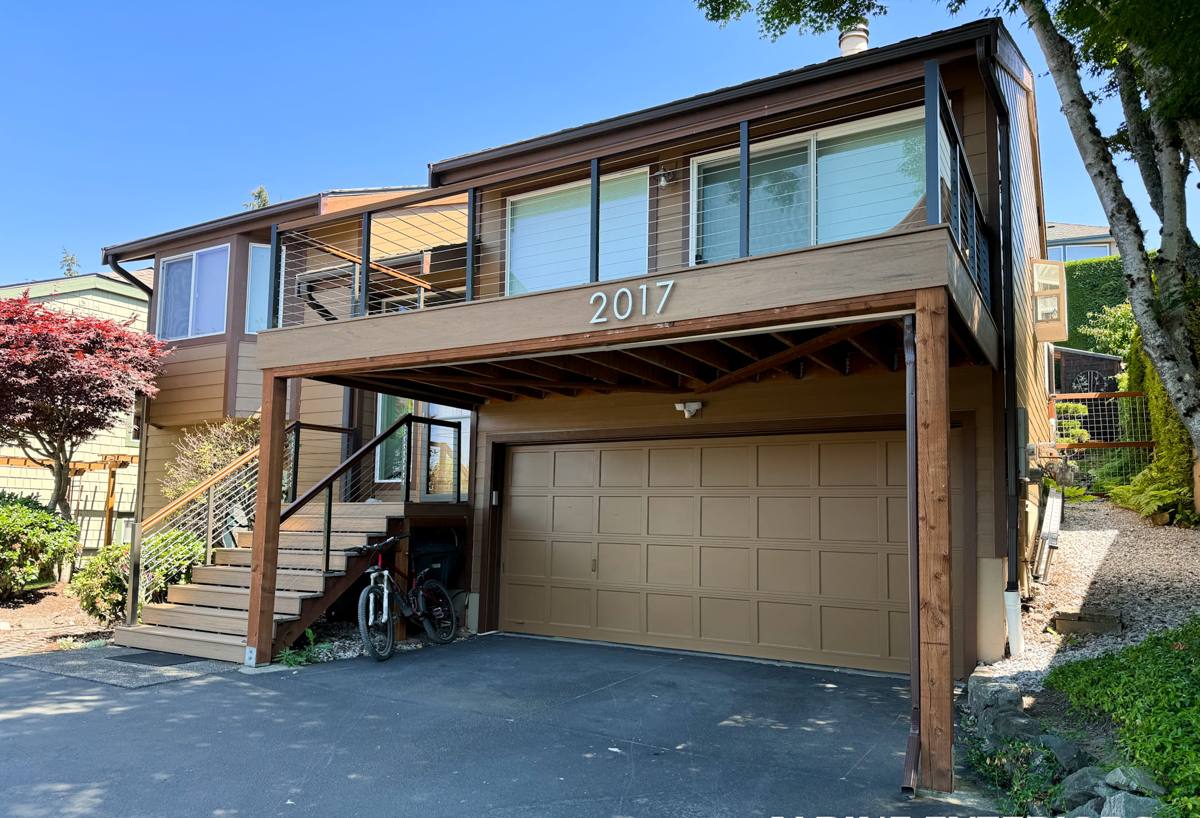
Signs a Columbia City Home Needs a New Roof
Roof replacement isn't usually one dramatic failure — it's a pattern of smaller signs that add up. Homeowners in this area typically start looking into a new roof after noticing some combination of the following:
- Granules collecting in gutters or at downspout outlets, especially after a heavy rain
- Shingles that are cupping, curling at the edges, or visibly thinning in spots
- Moss or dark algae streaking that keeps returning even after cleaning
- Soft spots, sagging, or uneven planes when viewed from the ground or a ladder
- Daylight visible through the attic roof boards, or damp insulation after storms
- A roof that's approaching or past the manufacturer's expected service life for its material
- Rising interior humidity, musty attic smell, or ceiling stains that don't correspond to a single obvious leak
Any one of these on its own might just call for a repair. Several together, especially on a roof that's already fifteen to twenty-five years old depending on material, usually means a full replacement is the more honest recommendation.
What Correct Installation Actually Involves
A new roof is only as good as what's underneath the visible surface. In a climate like Seattle's, the layers most homeowners never see are often the ones that determine whether the roof lasts its full expected lifespan or starts failing early.
Deck Inspection and Repair
Before any new material goes down, the roof deck needs to be checked for soft or delaminated sheathing, usually the result of long-term moisture intrusion under the old roofing. Skipping this step and roofing directly over a compromised deck is one of the most common shortcuts that leads to premature failure.
Underlayment and Water Protection
Given how much rain this region sees, underlayment choice matters more here than in drier climates. Self-adhered ice-and-water membrane at eaves, valleys, and around penetrations, paired with a synthetic underlayment across the rest of the field, gives the roof a real second line of defense if wind-driven rain ever gets under the primary roofing material.
Flashing
Flashing around chimneys, skylights, dormers, and roof-to-wall transitions is where most leaks actually originate, not in the open field of the roof. Correct installation means new flashing, properly step-flashed and counter-flashed, not old flashing reused under new shingles.
Ventilation
Balanced intake and exhaust ventilation keeps the attic close to outdoor temperature and humidity, which reduces condensation on the underside of the deck and slows the conditions that let moss and algae take hold on the surface above. A roof can be installed with premium materials and still underperform if the attic underneath it isn't breathing correctly.
Material Options for This Climate
There's no single "best" roofing material for every Columbia City home — it depends on the roof's pitch, the home's style, the budget, and how much long-term maintenance the owner wants to take on. Here's how the common options compare for a wet, moss-prone climate:
| Material | Moisture & Moss Resistance | Typical Lifespan | Maintenance |
|---|---|---|---|
| Architectural Asphalt Shingle | Good, especially with algae-resistant granules | 25-30 years | Periodic moss/debris removal |
| Standing Seam Metal | Excellent — sheds water fast, little surface for moss to grip | 40-50+ years | Low; occasional fastener/sealant checks |
| Composite/Synthetic Shake | Good, engineered for wet climates | 30-50 years | Low to moderate |
| Cedar Shake | Requires active upkeep in this climate | 20-30 years with maintenance | High — regular treatment and moss control |
We'll walk through these trade-offs honestly during an estimate rather than pushing one product. A north-facing roof buried in shade under mature trees, for example, is a very different moss-management conversation than a south-facing roof that gets sun most of the day.
Cost Factors to Expect
Every roof is priced individually, but the main variables that move the number are consistent from job to job:
| Factor | Why It Matters |
|---|---|
| Roof size and number of planes | More square footage and complexity means more material and labor |
| Pitch and access | Steeper or harder-to-access roofs take longer and need more safety setup |
| Deck condition | Rot or soft sheathing found during tear-off adds repair costs |
| Material choice | Asphalt, metal, and composite products carry different material and labor costs |
| Layers to remove | Tearing off multiple existing layers adds disposal and labor time |
| Ventilation upgrades | Adding or correcting intake/exhaust vents adds a modest cost but pays off long term |
Our Installation Process
When we take on a new roof in Columbia City, the process follows the same sequence every time, because skipping steps is where problems start:
- On-site assessment — we walk the roof and attic, check the deck, ventilation, and flashing points, and talk through material options based on what your home actually needs.
- Written estimate — a clear scope of work and price before anything is scheduled, no vague allowances.
- Scheduling around the weather — because this region's rain is a factor in almost every project, we plan tear-off and dry-in stages to minimize the time your roof deck is exposed.
- Tear-off and deck repair — old material removed, deck inspected, and any damaged sheathing replaced before moving forward.
- Underlayment, flashing, and ventilation installed — the layers that determine how the roof performs over the next twenty-plus years.
- New roofing material installed — to manufacturer specifications, which is also what keeps material warranties valid.
- Final walkthrough — gutters, downspouts, and site cleanup checked before we consider the job done.
Moisture, Moss, and Ongoing Roof Health
A correctly installed roof reduces moss growth, but it doesn't eliminate the conditions that cause it — shaded areas, overhanging branches, and standing debris will still invite moss over time in this climate. What a good installation does is give you a roof surface and attic system that resists moisture intrusion even when moss does appear, and that makes routine moss removal safe and effective rather than a race against hidden deck damage. We're happy to talk through simple maintenance habits, like keeping gutters clear and trimming back branches that shade the roof, as part of the handoff after installation.
Permits and Local Requirements
Roof replacements in Seattle typically require a permit through the city, and King County has its own requirements for unincorporated areas nearby. Permit requirements can also touch on things like ice-dam protection at eaves and minimum ventilation ratios, which is another reason the underlayment and ventilation details matter — they're not optional extras, they're often part of what an inspector is checking for. We handle the permitting process as part of the job so you're not left navigating it on your own.
Why a Local Crew Matters for This Job
Roofing crews who work Columbia City regularly already know which streets have older housing stock with original 1920s-era framing, which neighborhoods sit under heavier tree canopy and need extra moss and debris planning, and how this stretch of King County's weather affects scheduling around tear-off days. That local familiarity shows up in fewer surprises once a roof is opened up, more realistic scheduling around rain windows, and a crew that's easy to reach if a question comes up after the job is finished. A new roof is a long-term investment in the house — it's worth having it installed by people who plan to still be working in this neighborhood years from now.
If you're weighing a new roof for your Columbia City home, we're glad to come take a look and give you a straightforward, no-pressure estimate — just fill out the form below to get started.