 Seattle
 Windows Built for Ballard's Marine Climate
Ballard sits close to the water, and that proximity shapes everything about how windows perform here. Salt-laden air off Puget Sound and Salmon Bay accelerates corrosion on hardware, fasteners, and lower-grade metal components. Driving rain off the Sound doesn't just wet a window's face — it tests every seal, flashing detail, and drainage path around the frame. And the long, damp moss season that runs from fall through spring keeps wood trim, sills, and cladding wet for weeks at a time, which is exactly the environment moss, algae, and rot organisms need to take hold.
None of this is unique to any one house in Ballard — it's the baseline every window on a property here has to work against, whether it's a century-old bungalow a few blocks off the water or a newer build closer to Market Street. Custom window work in this neighborhood means selecting materials and installation details that account for that exposure from day one, not retrofitting a fix after moisture damage shows up.
Ballard's Housing Stock and What It Means for Window Work
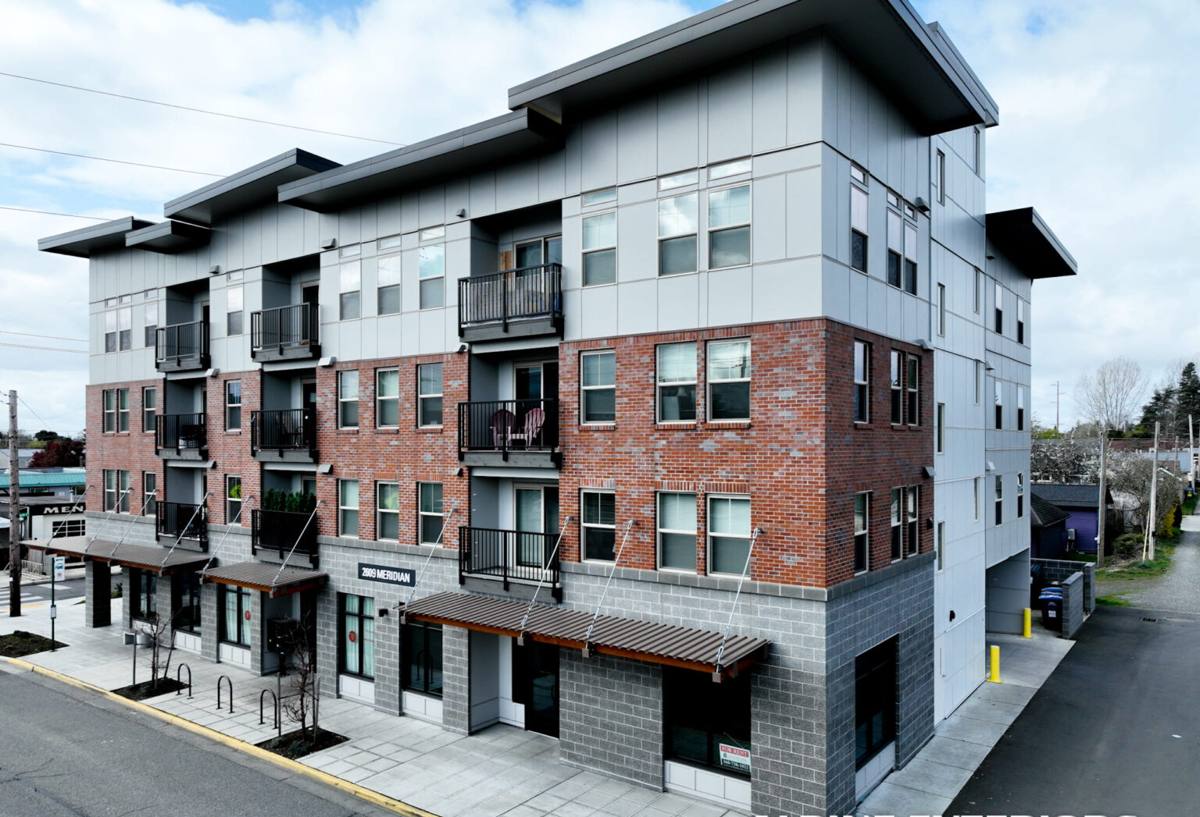
Ballard has a mix of building eras that each bring their own window considerations. Older Craftsman and foursquare homes often still have original wood sash windows or early replacements that are decades past their functional life — single-pane glass, warped wood, and failed weatherstripping are common. Mid-century homes frequently have aluminum-frame windows that conduct cold and condense heavily in our wet winters. And the newer infill construction and townhomes built over the last couple of decades usually have code-compliant vinyl or fiberglass units, but sometimes with lower-grade glass packages or installation shortcuts that show up as drafts, fogging, or water intrusion within a few years.
"Custom" in this context doesn't mean unusual shapes or oversized openings, though we handle those too. It means matching the window to the specific opening, the home's structural condition, and the exposure that particular wall faces — a west-facing wall catching prevailing rain needs a different level of flashing detail than a sheltered interior courtyard window, even on the same house.
Common Window Issues We See in Ballard Homes
- Wood sills and lower sash rails soft or spongy from years of trapped moisture
- Moss and algae staining on window trim, especially on north- and west-facing walls
- Condensation between panes, indicating a failed seal on an insulated glass unit
- Corroded hinges, locks, or balance hardware on older aluminum or steel windows
- Visible daylight or drafts around the frame, usually from settled or failed caulking
- Paint peeling or bubbling on interior sills, a sign of moisture working through from outside
What a Correct Custom Window Installation Involves
A window is only as good as the opening it's installed into. Replacing glass and frame without addressing the rough opening, flashing, and drainage plane is the single most common reason window jobs fail early in a climate like ours. A correct installation includes:
- Opening inspection. Checking the sill, jambs, and header framing for rot or water damage before anything new goes in — this is where problems from old installations usually surface.
- Proper flashing sequence. Water-resistive barrier, flashing tape, and the window's nailing flange need to be layered correctly (shingle-style, so water always sheds outward and down) rather than just caulked at the face.
- Sill pan protection. A sloped, sealed sill pan gives any water that does get past the primary seal a way out instead of a place to pool.
- Correct shimming and fastening. Windows need to sit square and plumb without being over-compressed, which can bind hardware or stress the glass unit over time.
- Interior and exterior sealing. Low-expansion foam and backer rod at the interior, quality sealant at the exterior — never just a bead of caulk covering a gap.
- Trim and finish work. Matching existing trim profiles on older homes, or finishing new construction openings cleanly, so the result looks intentional rather than patched.
Skipping any one of these steps might not show up immediately, but in a climate that delivers sustained rain and long wet seasons, it usually shows up within a few years as staining, soft wood, or interior moisture.
Choosing Window Materials for This Climate
There's no single "best" window material for every situation — the right choice depends on the home's style, budget, and how exposed that particular opening is to weather. Here's how the common options compare for Ballard's conditions:
| Material | Moisture Performance | Maintenance | Best Fit |
|---|---|---|---|
| Vinyl | Good — won't rot or corrode, but seams and welds matter | Low | Budget-conscious replacements, newer construction |
| Fiberglass | Very good — dimensionally stable, resists warping in wet/dry cycles | Low | Larger openings, painted trim to match existing home |
| Wood-clad | Good on the exterior clad face; interior wood still needs protection from condensation | Moderate to high | Historic-character homes wanting real wood interior trim |
| Aluminum | Poor thermal performance, prone to condensation without a thermal break | Moderate | Specific architectural or commercial-style applications only |
For most Ballard homes, we steer clients toward vinyl or fiberglass for straightforward replacements, and wood-clad when matching a home's existing character is the priority — with the honest caveat that clad-wood units require more upkeep and closer attention to interior humidity to avoid trouble down the road. We avoid recommending bare aluminum frames for new work in this climate; the thermal and condensation issues aren't worth the trade-off for most homeowners here.
Glass Packages That Actually Matter Here
Ballard doesn't get extreme heat, so the glass priority is different than it would be somewhere hot and dry. What matters most locally:
- Low-E coatings to reduce heat loss through the glass during our long heating season, without over-darkening interior light on already-gray days.
- Argon or krypton gas fill between panes for better insulation value, particularly worthwhile on larger window units.
- Warm-edge spacers that resist condensation at the glass edge, which is where fogging and moisture problems tend to start first.
- Tempered glass where code requires it — near doors, low to the floor, or in bathrooms — which is standard practice we account for during planning, not an upsell.
Our Process From Estimate to Cleanup
We keep the process straightforward and predictable, which matters when you're living in the house during the work:
- On-site assessment. We look at each window opening individually — condition of the framing, exposure to weather, and what's actually failing versus what's just old.
- Honest recommendation. Full-frame replacement isn't always necessary; sometimes an insert replacement into a sound existing frame is the right, more cost-effective call. We tell you which situation you're in.
- Written estimate. Materials, scope, and timeline spelled out before any work starts — no surprise change orders for things we could have caught up front.
- Scheduled installation. Work is sequenced to minimize how long any opening sits without weather protection, which matters given how often it rains here.
- Final inspection and cleanup. We check operation, seals, and finish work on every window before calling the job done, and clean up debris and packaging as we go.
Permits and Working Within Seattle Code
Window replacement in Seattle and King County can trigger permit requirements depending on scope — particularly if the rough opening size is changing, if it's a full structural replacement, or if the home is in a designated historic district. Ballard has pockets with design review or character-related considerations depending on the specific property. We handle the determination of what does and doesn't need a permit as part of planning the job, so you're not left guessing or exposed to problems at resale from unpermitted structural changes.
Why Local Experience in Ballard Specifically Matters
A crew that regularly works this neighborhood already understands things a contractor unfamiliar with the area has to learn on your project: which flashing details hold up against wind-driven rain off the water, how quickly moss establishes on north-facing trim here, and what the housing stock in this part of Seattle typically hides once an old window is pulled out. That familiarity translates into fewer surprises mid-project and installation choices that are suited to this climate from the start, rather than a generic approach applied the same way it would be in a drier part of the state.
Protecting Your Investment After Installation
New windows still need some seasonal attention in a climate like this. A few habits go a long way:
- Rinse pollen, salt residue, and grime off frames and glass a couple of times a year
- Check and clear weep holes at the bottom of the frame so water can drain out properly
- Look at exterior caulking annually and touch up any cracked or separated sections before wet season
- Wipe down interior sills if condensation collects, especially in bathrooms and kitchens
- Trim back vegetation or moss buildup near windows so damp material isn't sitting against the frame
None of this is heavy maintenance, but skipping it is how a well-installed window ends up with avoidable problems five or ten years down the line.
If your Ballard home has windows that are drafty, fogged, hard to operate, or just original to a house built decades ago, we're happy to take a look and give you a straightforward, no-pressure estimate. Use the form below to get started.