 Seattle
 Metal Roofing in Rainier Valley: What the Climate Actually Demands
Rainier Valley sits in a part of King County that gets the full range of what Pacific Northwest weather can throw at a roof. Long stretches of driving rain in the fall and winter, a moss season that can run eight months out of the year on shaded or north-facing slopes, and enough moisture in the air most of the year that anything with a weak point in its flashing or fastening system will find that weak point eventually. Add in the mild salt air influence that reaches inland from the Puget Sound corridor, and you have a climate that is genuinely hard on roofing materials that aren't detailed correctly.
Metal roofing, done right, handles this combination better than almost anything else on the market. It sheds water fast, it doesn't give moss the organic surface it needs to colonize, and a properly coated panel resists the slow corrosion that salt-tinged moisture can cause over years. But "done right" is the operative phrase. A metal roof is only as good as its flashing details, fastener choice, and underlayment — and in a wet climate like Seattle's, those details matter more than the panel material itself.
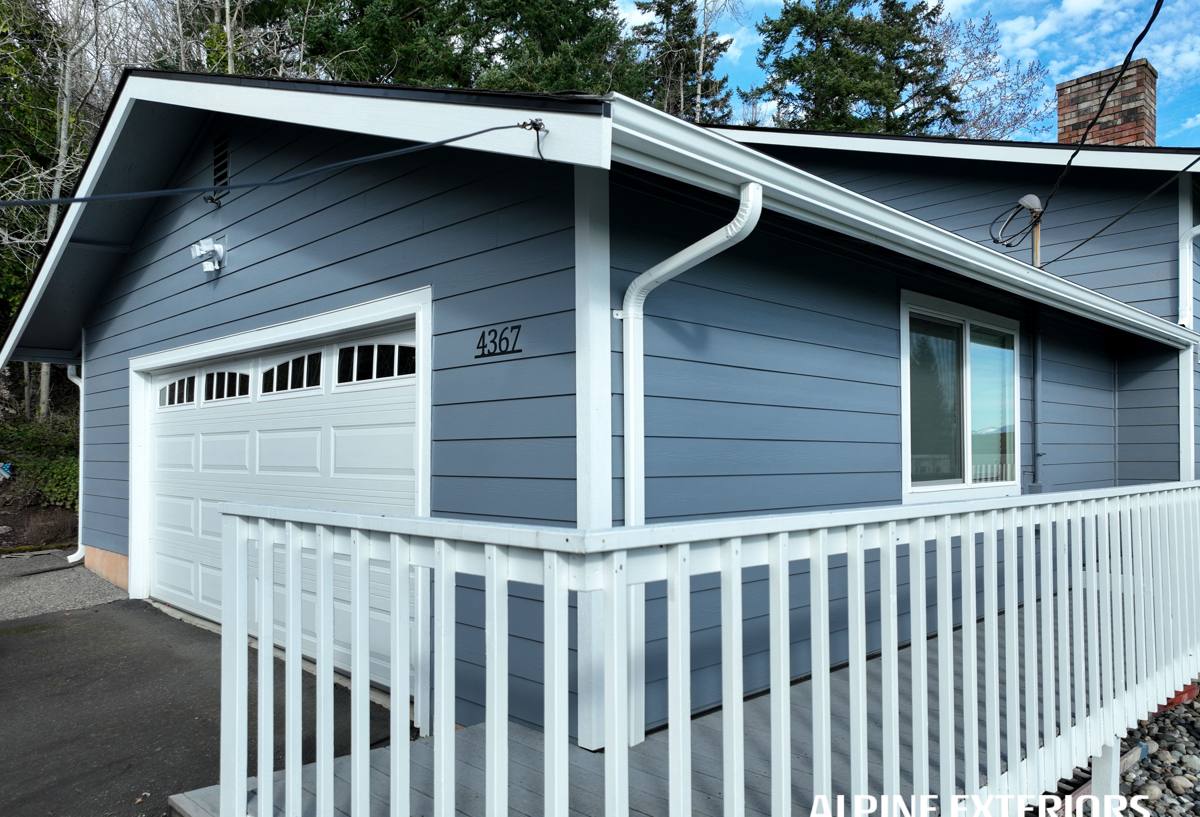
Why Rainier Valley Homes Are Good (and Sometimes Tricky) Candidates for Metal
Rainier Valley has a mix of housing stock — older bungalows and Craftsman-era homes alongside newer infill construction — and roof pitches, tree cover, and orientation vary block to block. That mix matters for a metal roofing job for a few reasons:
- Homes with heavier tree canopy nearby see more moss pressure and more debris buildup in valleys and around penetrations, which affects panel profile choice and how we detail transitions.
- Older homes may have roof decking or framing that needs assessment before a metal system goes on, especially if there's been past moisture intrusion.
- Lower-slope sections common on additions or porch roofs need different panel and seam approaches than a steep primary roof plane.
- Proximity to mature trees means gutter and edge detailing needs to handle organic debris without trapping moisture against the panel.
None of this makes a house a poor candidate for metal roofing — it just means the assessment has to be specific to that house, not a generic quote based on square footage alone.
The Moss Problem, Specifically
Moss doesn't attack metal the way it can degrade composition shingles, but it can still cause problems if a metal roof is installed with the wrong fastening pattern or without attention to how water and organic matter move across the panels. Moss and debris that pile up against a poorly lapped seam or an undersized valley can hold moisture longer than the panel design accounts for. The fix isn't a chemical treatment — it's correct panel overlap, clean valley and ridge detailing, and keeping trees trimmed back enough that debris doesn't accumulate season after season.
What a Correct Metal Roofing Job Actually Involves
A metal roof is a system, not just a layer of panels. Every component below has to work together, and skipping or downgrading any one of them is where most metal roof failures we get called to inspect actually originate.
Underlayment
In a climate with this much sustained rainfall, we use a high-temp synthetic or self-adhered underlayment rated for the panel type and roof pitch, not a generic felt. This layer is the backup plan if wind-driven rain ever gets past a seam, and in Seattle's weather it earns its keep.
Panel Type and Seam Method
Standing seam panels, with concealed fasteners and mechanically or hydraulically formed seams, are the standard for main roof planes in this climate because they have no exposed fastener heads for water to work at over time. Exposed-fastener panel systems have a place on outbuildings, sheds, or lower-budget projects, but they require more maintenance vigilance since every screw penetration is a potential future leak point as washers age.
Flashing and Penetrations
Chimneys, plumbing vents, skylights, and wall transitions are where the majority of roof leaks start, on any roof type. On a metal roof, flashing has to be formed to match the panel profile exactly and sealed with compatible materials — mismatched metals at a flashing junction can set up galvanic corrosion over time, which is a slow, avoidable failure we design around from the start.
Ventilation
Metal roofs perform best with a properly vented attic or roof assembly underneath. Trapped moisture and heat can cause condensation on the underside of panels, which looks like a leak but is actually a ventilation problem. We check attic ventilation as part of any metal roofing estimate, not as an afterthought.
Panel and Finish Options: Honest Trade-Offs
There's no single "best" metal roofing product — the right choice depends on budget, roof pitch, appearance goals, and how long the homeowner plans to be in the house. Here's how the common options actually compare for a Rainier Valley home:
| Option | Best For | Trade-Offs |
|---|---|---|
| Standing seam steel, concealed fasteners | Primary roof planes, long-term ownership | Higher upfront cost, but lowest long-term maintenance and best water-shedding on low-slope sections |
| Exposed-fastener steel panels | Outbuildings, garages, budget-conscious projects | Lower cost, but fasteners and washers need periodic inspection and eventual replacement |
| Aluminum standing seam | Homes wanting extra corrosion resistance near the Sound | Costs more than steel; won't rust, but is softer and can dent more easily under impact |
| Stone-coated steel (shake/tile profile) | Homeowners wanting a traditional look with metal durability | More complex installation detailing; higher material cost than plain standing seam |
We don't push one product line over another as a matter of sales strategy — we walk through what the roof geometry, budget, and moisture exposure on that specific house actually call for, then explain the maintenance and warranty implications of each option honestly before you decide.
Our Process for a Rainier Valley Metal Roofing Project
The steps below are the same for every metal roofing job we take on in the neighborhood, adjusted for the specific roof:
- On-site assessment. We walk the roof, check decking condition, existing ventilation, and note any moss, moisture staining, or past repair patches.
- Written scope and material selection. You get a clear breakdown of panel type, underlayment, flashing plan, and ventilation work — not a vague lump-sum number.
- Tear-off or overlay decision. Most metal roof installs over an existing roof do better with a full tear-off so decking issues aren't hidden, but we'll tell you if your situation is an exception.
- Underlayment and flashing installation. This is the part of the job that determines whether the roof performs in year ten, not just year one.
- Panel installation. Seams formed and fastened to manufacturer spec, with attention to how water moves across valleys, ridges, and penetrations.
- Final walk-through. We go over the completed roof with you, explain any maintenance items, and answer questions before we consider the job done.
Maintenance: What Metal Roofs Need and Don't Need
One of the appeals of a correctly installed metal roof in a wet, mossy climate is how little ongoing maintenance it needs compared to composition shingles. But "low maintenance" doesn't mean "no maintenance." A short annual checklist keeps a metal roof performing the way it's designed to:
- Clear debris (leaves, needles, moss fragments) from valleys and around penetrations before the fall rains start.
- Check that gutters and downspouts are flowing freely — a metal roof sheds water fast, and clogged gutters can send that water somewhere it shouldn't go.
- Look for any loose or lifted flashing after major windstorms.
- Trim back tree limbs that overhang the roof to reduce debris and moss spore contact.
- Have a professional inspection every few years, especially after the roof passes its first decade.
Why Hiring a Crew That Already Works in Rainier Valley Matters
Roofing code requirements, typical wind exposure, and moisture patterns aren't identical across every neighborhood in Seattle — a crew that regularly works Rainier Valley roofs already knows the pitch ranges, tree coverage patterns, and older housing stock quirks common in the area. That familiarity shows up in faster, more accurate assessments and fewer surprises once a tear-off starts. It also means we're a known, reachable local business if a question comes up five years after installation — not a crew that worked the area once and moved on.
We're a King County exterior contractor, and metal roofing in a climate like Seattle's is a job we take seriously precisely because the consequences of a poorly detailed roof show up slowly, as leaks and rot, long after a lower-quality installer has cashed the check and left town.
Get a Straight Answer for Your Roof
If you're weighing metal roofing for a home in Rainier Valley, we're happy to take a look and give you an honest read on what your roof actually needs — no pressure, no inflated urgency. Fill out the form below for a free estimate, and we'll walk you through the options that make sense for your house, your budget, and Seattle's weather.