 Seattle
 Windows Built for Shoreline's Puget Sound Climate
Shoreline sits right on the edge of Puget Sound, and that location shapes what a window has to survive here. Homes closer to the water deal with salt-laden air moving inland on top of Western Washington's normal rain load, while homes further from the bluffs still contend with months of damp, low-light conditions that keep wood and vinyl surfaces wet longer than almost anywhere else in the country. A window that works fine in a drier climate can start failing here within a few years if it wasn't built, sealed, and installed with this specific environment in mind.
Custom windows aren't just about matching an odd-sized opening or getting a particular look, though that matters too on older Shoreline homes with non-standard framing. The bigger issue in King County is durability: the right glazing, frame material, and flashing details determine whether a window is still performing well in fifteen years or starting to fog, stick, and rot in five.
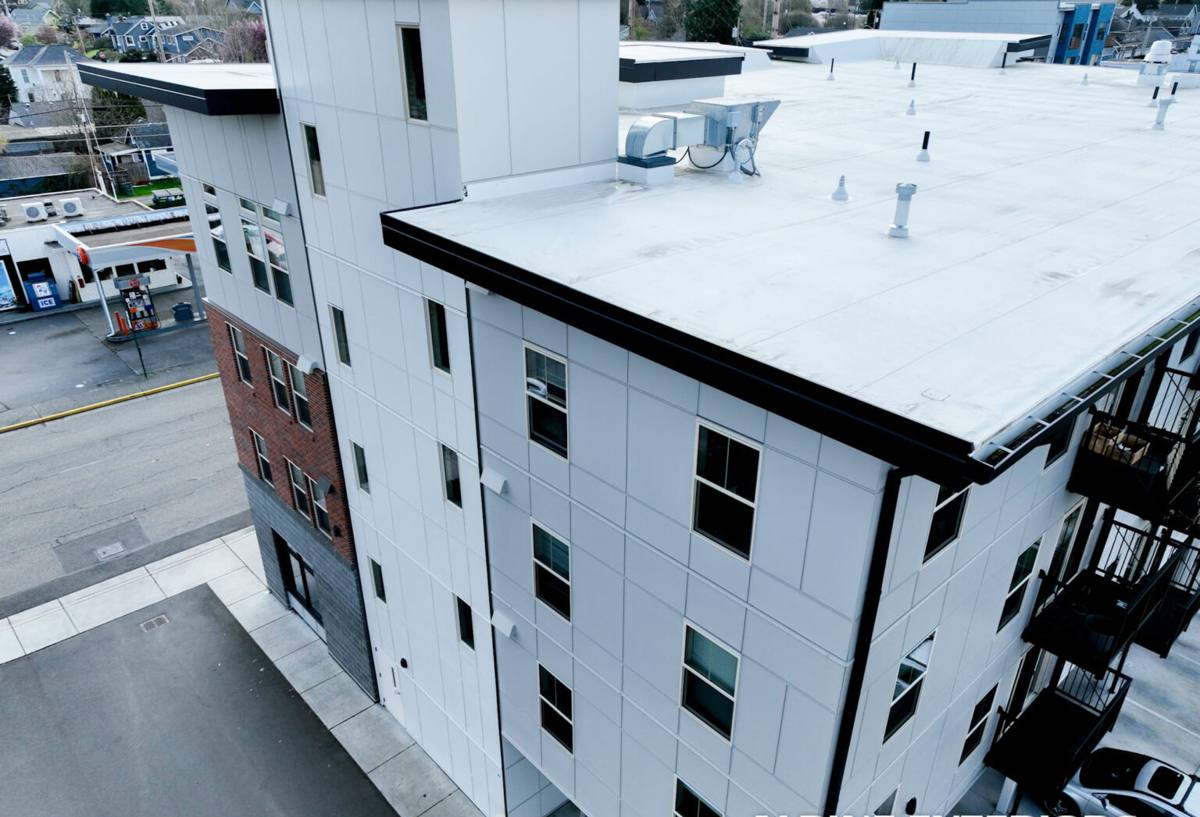
What Years of Salt Air, Rain, and Moss Do to Windows
Three climate factors do most of the damage to windows in this area, and they compound each other.
Salt Air and Corrosion
Homes within a mile or two of Puget Sound get airborne salt on every exterior surface, including window hardware. Over time, salt exposure accelerates corrosion on lower-grade fasteners, hinges, and locking mechanisms, and it can pit uncoated aluminum components. This is one reason hardware quality matters as much as the glass itself in a coastal-adjacent install.
Driving, Wind-Driven Rain
Seattle-area storms frequently come with enough wind to drive rain sideways into window assemblies rather than just down the glass. If flashing, sill pans, and sealant weren't installed correctly the first time, that wind-driven moisture finds its way behind the trim and into the wall cavity, where it can sit for months before anyone notices a soft spot or a musty smell.
Moss, Mildew, and the Long Wet Season
Our extended gray season means exterior wood trim, sills, and even vinyl cladding stay damp far longer here than in most of the country. That's exactly the environment moss and mildew need to take hold. On older wood-frame windows, this shows up as soft, discolored sills and frames; on any window type, it shows up as grime buildup in tracks and corners that traps even more moisture against the unit.
Signs Your Current Windows Are Losing the Battle
Most window failure in this climate is gradual, so homeowners often live with early warning signs for a while before addressing them. Watch for:
- Fogging or a hazy film between panes on double- or triple-pane units (a sign the seal has failed)
- Soft, spongy, or discolored wood at the sill or lower frame corners
- Windows that are noticeably harder to open, close, or lock than they used to be
- Visible moss, algae, or black mildew staining on frames, sills, or tracks
- Drafts or a noticeable temperature difference near the window on a windy day
- Condensation forming on the inside of the glass regularly during the wet months
- Peeling or bubbling paint on interior trim near a window, which often points to hidden moisture
None of these individually means a window is a lost cause, but a home with several of these signs across multiple windows is usually past the point where caulk and weatherstripping will fix the underlying problem.
What a Correct Custom Window Installation Actually Involves
The window unit itself is only part of the job. In our experience working on homes throughout Shoreline and the surrounding King County area, most premature window failures trace back to installation details, not the window product.
Sill Pans and Flashing
A sloped, sealed sill pan under the window opening gives any water that does get past the exterior seal somewhere safe to drain, instead of soaking into the framing. Proper flashing integration with the house wrap or building paper is what actually keeps wind-driven rain out over the long run — this is the detail that matters most in our climate and the one most often shortcut on rushed jobs.
Sealant Selection and Placement
Not every exterior sealant holds up to repeated wet-dry cycling and UV exposure. We use products rated for long-term exterior exposure and apply them at the specific joints where water actually intrudes, rather than just running a bead around the visible trim.
Insulation and Air Sealing
Gaps around the window frame after installation are a common source of drafts and moisture intrusion. Proper low-expansion foam or backer rod and sealant around the full perimeter closes those gaps without bowing the frame, which can happen with the wrong foam product.
Choosing the Right Frame Material and Glass
There's no single "best" window material for every Shoreline home — it depends on the home's exposure, age, and your maintenance preferences. Here's how the common options compare for this climate:
| Material | Moisture & Salt-Air Resistance | Maintenance | Best Fit |
|---|---|---|---|
| Vinyl | Very good — won't rot or corrode | Low; occasional cleaning | Most homes; budget-conscious replacements |
| Fiberglass | Excellent; very stable in wet, salty air | Low | Homes closer to the water or with high wind exposure |
| Wood-clad (exterior-protected) | Good if cladding and flashing are correct; interior wood adds warmth | Moderate; watch cladding seams | Historic or higher-end homes wanting a wood interior look |
| Bare wood | Poor without diligent upkeep in this climate | High; regular repainting/sealing | Only where matching an existing bare-wood aesthetic is a priority |
On glazing, double-pane windows with a low-E coating and argon gas fill are the standard baseline for our region's energy performance. Triple-pane adds further insulation and sound dampening, which is worth considering on homes near busier roads or with north- or west-facing exposure that takes the brunt of Puget Sound storms, but it comes at added cost and weight that not every frame or budget needs.
Our Installation Process, Start to Finish
Assessment and Measurement
We start by inspecting the existing window openings, checking for hidden rot or moisture damage behind the trim, and taking precise measurements — many older Shoreline homes have openings that are slightly out of square after decades of settling, which custom sizing accounts for.
Removal and Opening Prep
Old units are removed carefully to avoid damaging surrounding siding or trim. If we find soft framing or evidence of past water intrusion, we address it before anything new goes in — installing a new window over compromised framing just hides the problem.
Sill Pan, Flashing, and Sealant Installation
This is the step that determines long-term performance, covered above. We don't skip it or shortcut the sequencing, even when it adds time to the job.
Window Setting and Air Sealing
The new unit is leveled, shimmed, and secured, then the perimeter gap is properly insulated and sealed on both the interior and exterior sides.
Trim, Cleanup, and Final Check
Interior and exterior trim is finished to match your home, and every window is operated and checked for smooth function, a tight seal, and proper drainage before we consider the job done.
What Affects the Cost of a Custom Window Project
Costs vary widely by project, but the main drivers are consistent across most Shoreline homes we've worked on:
| Cost Factor | Why It Matters |
|---|---|
| Frame material | Vinyl is typically the most economical; fiberglass and wood-clad cost more upfront but may reduce long-term maintenance |
| Glazing package | Double-pane low-E is the baseline; triple-pane and specialty coatings add cost but improve comfort and energy performance |
| Number and size of openings | Larger or custom-shaped windows require more material and labor time |
| Condition of existing framing | Hidden rot or water damage found during removal adds repair work before the new window can go in |
| Access and home height | Second-story or hard-to-reach windows take more time and equipment |
| Trim and finish work | Matching existing interior/exterior trim styles adds labor beyond a basic install |
We give honest, itemized estimates rather than a single number, so you can see exactly where your money is going and make informed decisions about where to spend more or save.
Why Local Installation Experience Matters in Shoreline
A window that's correctly installed in a drier inland climate can still fail here if the crew installing it isn't accounting for wind-driven rain, salt air, and our long wet season. Crews who regularly work in Shoreline and the broader Seattle and King County area know which details can't be shortcut in this environment — sill pan drainage, flashing sequencing, and hardware that holds up to salt exposure aren't optional extras, they're the difference between a window that lasts and one that needs attention again in a few years.
Local experience also means familiarity with the range of home ages and construction styles common in this area, from older wood-frame homes to newer builds, and knowing how to work around the quirks that come with decades-old framing without cutting corners on the parts that matter for weather performance.
If your windows are showing wear, fogging, or drafts, or you're planning a renovation that includes new openings, we're happy to take a look and walk you through your options. Reach out for a free, no-pressure estimate using the form below.