 Seattle
 Siding Repair Built for Rainier Valley Homes
Rainier Valley homes take on a lot every year. Between the salt-laden marine air that moves in off Puget Sound, the driving rain that comes sideways during winter storms, and a moss season that can stretch from fall through spring in the shadier parts of the neighborhood, exterior walls in this part of Seattle work harder than most homeowners realize. Siding is the first line of defense, and when it starts to fail — even in small, localized spots — the damage underneath tends to be worse than what you can see from the sidewalk.
We repair siding across King County, and Rainier Valley is one of the areas we work in regularly. That matters because siding repair isn't a one-size-fits-all job. What a home needs depends on its age, its siding material, its sun and shade exposure, and how the previous installation handled flashing, caulking, and water management. A repair crew that already knows the neighborhood's housing stock and its weather patterns can diagnose a problem faster and fix it right the first time.
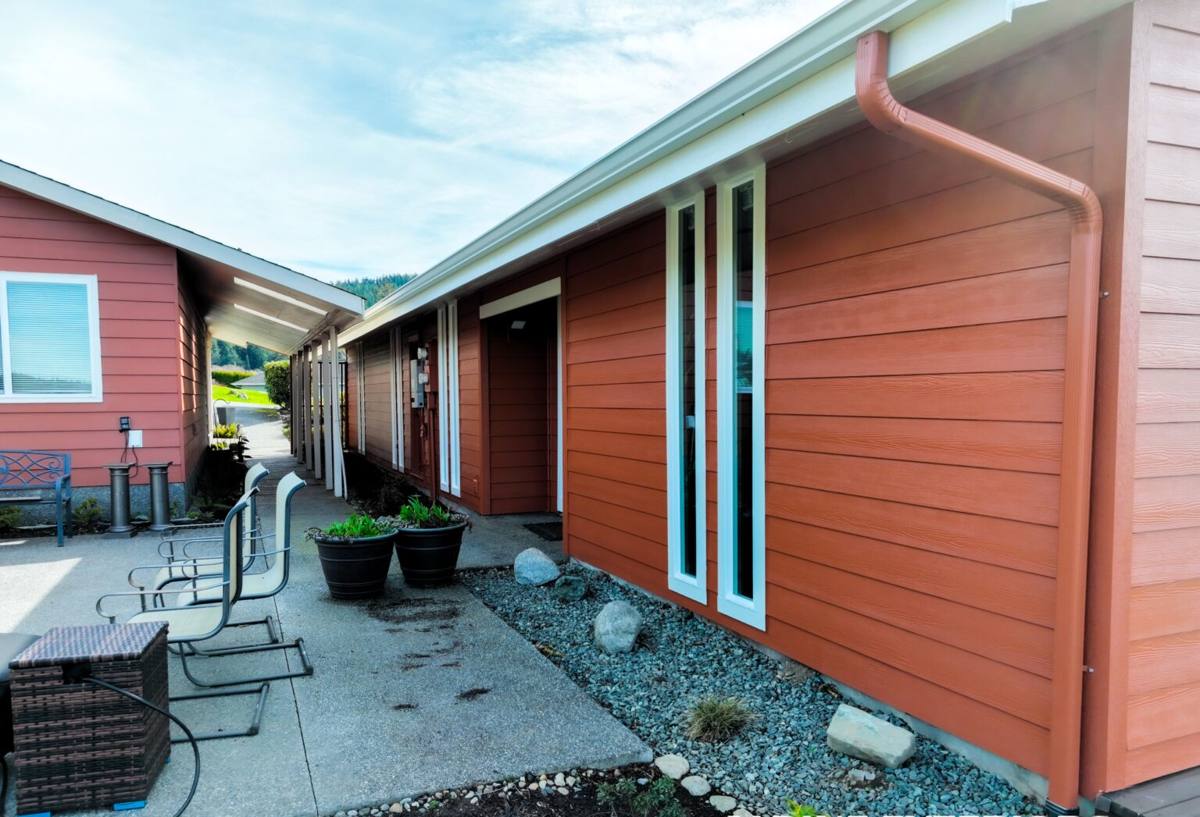
Signs Your Siding Needs Repair
Most siding problems don't announce themselves. They show up as small, easy-to-dismiss details that quietly get worse over a wet Seattle winter. Here's what we tell Rainier Valley homeowners to watch for:
- Soft or spongy spots when you press on the siding, especially near the bottom of walls or below windows
- Visible cracking, splitting, or warping in individual boards or panels
- Paint that's peeling, bubbling, or won't hold no matter how many times it's redone
- Dark streaking, green or black discoloration, or a persistent musty smell near an exterior wall
- Gaps opening up around window and door trim, or siding that's pulling away from the wall
- Moss or algae buildup that keeps returning to the same section within a season or two
- Interior signs — a damp patch on drywall, a soft spot in flooring near an exterior wall, or a slowly rising utility bill
Any one of these can be minor. Several of them together, or any of them showing up repeatedly in the same spot, usually means water is getting behind the siding rather than shedding off of it.
Why Moisture Is the Real Enemy Here
Seattle's climate isn't extreme in the way hail or hurricanes are extreme — it's persistent. Rainier Valley doesn't usually get pounded by a single catastrophic storm; it gets months of low-grade exposure to rain, humidity, and shade that never quite lets a wall dry out completely. That's a different kind of stress than siding faces in a drier climate, and it's why repairs here need to address moisture management, not just cosmetic damage.
Moss is a good example. It's not just an appearance issue. Moss holds moisture against the surface of siding and trim for extended periods, and on wood-based products that constant dampness accelerates rot at a rate that dry-climate manufacturers rarely design for. A section of siding that looks fine on the surface can have soft, compromised material underneath if moss or algae has been sitting on it for a season or two without being cleared.
Salt-influenced marine air adds another layer. It doesn't cause the dramatic corrosion you'd see on metal near open saltwater, but over years it does contribute to faster breakdown of exposed fasteners, trim, and unprotected wood fiber, especially on the sides of a home that face prevailing weather. Repairs that don't account for this — patching with unmatched or unprotected material — tend to fail again within a few seasons.
What a Correct Siding Repair Actually Involves
A lot of siding "repairs" are really just cosmetic patches — caulk over a gap, a fresh coat of paint over discoloration, a new board nailed over a soft spot without checking what's behind it. Those fixes can look fine for a year and then fail because the underlying cause was never addressed. A repair that actually holds up in this climate involves a few non-negotiable steps.
Diagnose the source, not just the symptom
Before we touch a single board, we trace where water is actually getting in. That could be a failed caulk joint, damaged flashing above a window, a gap where two siding pieces meet, or a section of trim that's no longer shedding water the way it should. Replacing siding without fixing the entry point just delays the next repair.
Check the wall assembly underneath
Once siding is opened up, we look at the sheathing, house wrap, and framing behind it. If moisture has been getting in for a while, there can be soft sheathing or early-stage rot that needs to be addressed before new siding goes back on. Covering damaged framing with new siding is one of the most common ways a "fixed" wall fails again within a couple of years.
Match materials and reinstall correctly
Replacement sections need to match the existing siding's profile, thickness, and reveal as closely as possible, and they need to be installed with correct fastener spacing, proper overlap, and working flashing details — not just tucked into place and caulked around the edges. For painted or factory-finished siding, color matching is part of doing the job right, not an afterthought.
Rebuild the water management, not just the surface
The visible siding is only part of the system. Flashing, house wrap integration, and drainage behind the cladding do most of the actual work of keeping a wall dry. A repair that skips this step is cosmetic, not structural.
Repair or Replace? How We Help You Decide
Not every siding problem needs a full re-side, and not every siding problem should be patched. The right call depends on how widespread the damage is, how old the siding is, and what's driving the failure in the first place. Here's how we generally think through it with homeowners.
| Factor | Leans Toward Repair | Leans Toward Replacement |
|---|---|---|
| Extent of damage | Isolated to one or two sections or elevations | Spread across multiple walls or the whole exterior |
| Age of existing siding | Under 10-15 years, otherwise sound | Original siding is decades old or near end of service life |
| Cause of the problem | A single identifiable failure point (flashing, caulk, impact damage) | Systemic moisture intrusion or widespread rot behind the siding |
| Material match | Replacement material is still available and matchable | Original product is discontinued, faded, or a mismatch would be obvious |
| Underlying wall condition | Sheathing and framing test dry and sound | Sheathing shows soft spots or rot in multiple areas |
In practice, a lot of Rainier Valley homes fall somewhere in between — sound siding overall with one or two problem zones, usually on the side of the house that takes the most weather. In those cases, targeted repair with correct water management is the honest recommendation. When the damage is widespread or the siding is old enough that patching would just be delaying the inevitable, we'll say so and explain why, rather than selling a repair that won't hold.
Our Siding Repair Process
- Inspection. We walk the exterior, check every elevation, and probe suspect areas to see how far the damage actually extends before giving you a diagnosis.
- Honest assessment. We explain what's causing the problem, what repair options exist, and whether repair or partial replacement is the more durable choice for your situation.
- Scope and estimate. You get a clear, written scope of what will be repaired, what materials will be used, and what it costs — no vague allowances.
- Remove and inspect the wall behind it. Damaged siding comes off carefully so we can check sheathing, framing, and house wrap before anything new goes back on.
- Rebuild the water management. Flashing, house wrap integration, and drainage details get corrected or restored, not just covered over.
- Install matched siding correctly. New material goes in with proper fastening, spacing, and finish work so the repair blends in and performs like the rest of the wall.
- Final walkthrough. We go over the completed work with you so you know exactly what was done and why.
What We Use for Repair and Replacement Sections
Our company installs James Hardie fiber cement exclusively — we don't install vinyl, LP SmartSide, primed spruce, cedar, or other fiber cement brands. That standard applies to repairs too. When a repair calls for new siding sections rather than a patch, we use James Hardie product to replace them, and where a home's existing siding is old, failing, or made from a material that's chronically prone to the moisture problems common in this climate, we'll walk you through what a full re-side with Hardie would look like as an alternative to repeated patching.
We didn't land on Hardie by default. Fiber cement is non-combustible, holds its factory ColorPlus finish far longer than field-painted wood products, and Hardie's HZ5 line is engineered specifically for the freeze-thaw and moisture-heavy conditions of the Pacific Northwest. It also carries a strong transferable warranty when installed to manufacturer spec, which matters on a repair project where you want confidence that new sections will hold up as well as, or better than, what they're replacing. When we can repair sound siding and extend its life, we will. When a section is beyond that point, we won't recommend a material that's just going to bring you back to the same problem in a few years.
Why a Rainier Valley-Experienced Crew Matters
Siding repair looks straightforward from the outside, but the details that determine whether it lasts are specific to the conditions the wall actually faces — sun exposure, shade and tree cover, which direction the prevailing weather hits, and how the original builder handled flashing and drainage. A crew that regularly works in Rainier Valley and the surrounding King County neighborhoods has already seen how these variables play out on homes like yours, which means less guesswork and a repair that's built for the conditions it will actually face, not a generic fix.
Local experience also means faster, more accurate diagnosis. We're not learning the neighborhood's housing stock or its weather patterns on your project — we already know what a moss-related moisture problem on a north-facing wall in south Seattle typically looks like versus wind-driven rain damage on an exposed corner, and that speeds up both the estimate and the fix.
Protecting Your Siding Between Repairs
A correct repair should last, but a few habits help any siding — Hardie or otherwise — go longer between issues in this climate:
- Keep gutters clear so roof runoff isn't sheeting down exterior walls
- Trim back vegetation and tree limbs that keep siding shaded and damp
- Wash off moss and algae buildup before it has a chance to sit for a full season
- Re-caulk joints and trim as soon as gaps appear, rather than waiting for a full season of exposure
- Walk the exterior once or twice a year and press-test any spots that look discolored or soft
Catching a small problem in its first season is almost always cheaper and simpler than dealing with it after a winter of exposure.
If you're noticing soft spots, discoloration, or recurring moss on your siding, we're glad to take a look. We offer free, no-pressure estimates for homeowners in Rainier Valley and throughout the greater Seattle area — just fill out the form below to get started.