 Seattle
 Windows Built for West Seattle's Weather, Not Just Its Views
West Seattle sits high on a peninsula with long stretches of open exposure to Puget Sound. That's part of why people love it here — but it's also why windows on this side of the city take more of a beating than windows a few miles inland. Wind off the water carries salt-laden moisture, driving rain hits west- and south-facing walls at an angle instead of straight down, and the long gray stretch from fall through spring gives moss, algae, and general grime months to establish themselves on anything that stays damp. A window that's a good fit in a sheltered neighborhood isn't automatically the right call for a home catching wind straight off the water.
Custom windows means the unit is sized, built, and detailed for your specific opening and your specific exposure — not a stock size forced into a rough opening with extra caulk to make up the difference. For West Seattle homes, that distinction matters more than it does almost anywhere else in King County.
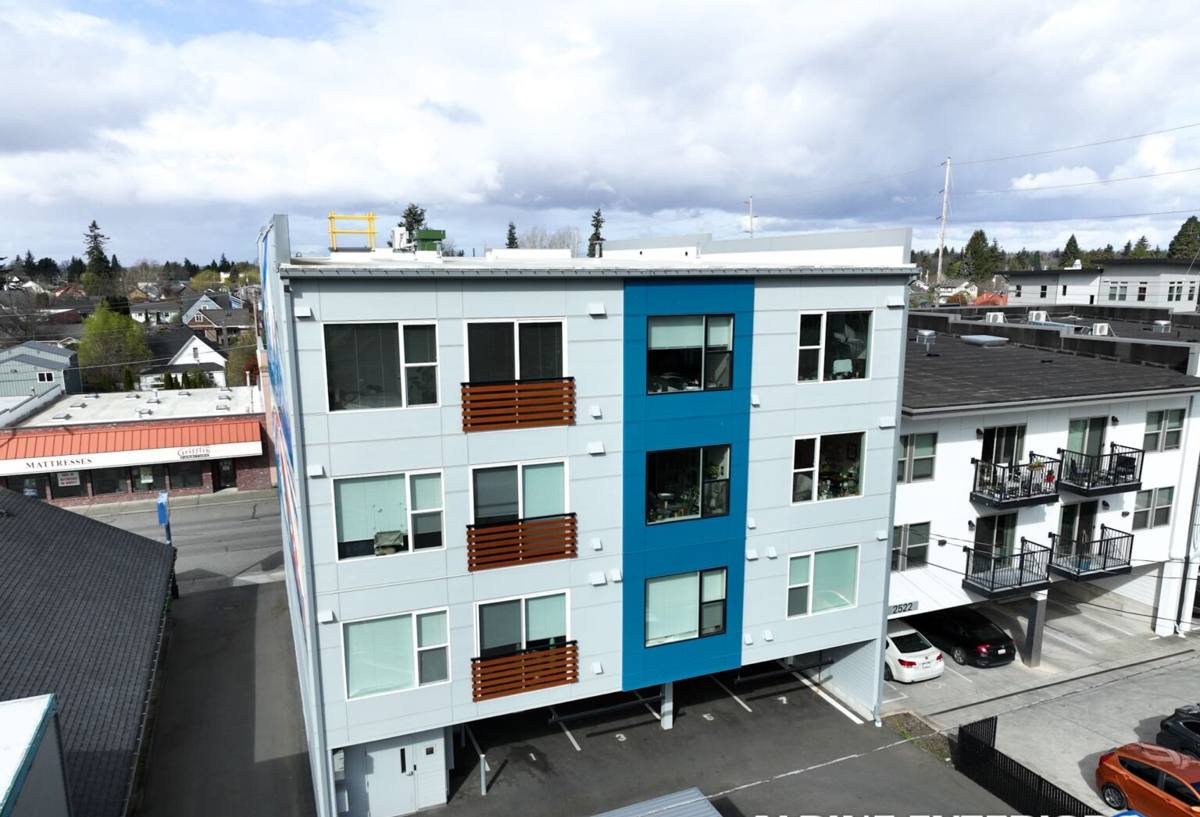
What Salt Air and Driving Rain Actually Do to a Window Over Time
None of this happens overnight. It's a slow accumulation of small problems that eventually add up to a real one.
Salt and moisture exposure
Salt-carrying air corrodes exposed metal hardware — hinges, cranks, locks, and hardware — faster than it would a mile or two inland. It also accelerates the breakdown of poor-quality seals and finishes. This isn't a reason to avoid windows near the water; it's a reason to spec hardware and finishes rated for it and to stay on top of maintenance.
Wind-driven rain
Rain that comes in sideways during a Puget Sound storm doesn't just sit on the sill — it gets pushed up under trim, into gaps around the frame, and behind flashing that wasn't lapped correctly. A window can look perfectly fine from inside for years while water works its way into the wall cavity behind it. By the time you see a stain on the drywall or trim, there's usually already damage to the sheathing or framing underneath.
Moss and prolonged dampness
West Seattle's wet season runs long, and anything that stays shaded and damp — north-facing walls, areas under overhangs, low sills — grows moss and algae over time. On wood-framed windows especially, sustained dampness plus organic growth is a recipe for rot, particularly at the bottom corners of the sash and the sill itself, which is usually the first place trouble shows up.
What a Correct Custom Window Installation Actually Involves
The window unit itself is maybe half of what determines whether an installation lasts. The other half is what happens at the opening before the new window ever goes in.
- Full removal and inspection of the existing opening — checking the sill, jambs, and surrounding framing for rot or soft spots before anything new goes in.
- Proper flashing, lapped correctly — water-resistive barrier and flashing tape installed so water sheds outward and down, never trapped behind the new unit.
- Sill pan flashing — a sloped, sealed pan under the window opening so any water that does get past the exterior is directed back out, not into the wall.
- Correct shimming and leveling — a window that isn't square in its opening will bind, leak at the corners, or fail its seals early.
- Low-expansion foam and backer rod, not just caulk — caulk alone is a Band-Aid; proper air-sealing needs to happen at the right layer of the assembly.
- Exterior trim and caulking sized for movement — sealant that can flex with seasonal expansion and contraction instead of cracking after one winter.
Skip any one of these steps and you can end up with a brand-new window that still leaks — not because the window itself is bad, but because the installation didn't account for how water actually moves around a wet-climate opening.
Choosing the Right Frame Material for a Windward Exposure
There's no single "best" window material — the right choice depends on your home's age, exposure, and how much upkeep you want to take on. Here's how the common options stack up for a home facing wind and rain off the Sound:
| Frame Material | Salt/Moisture Resistance | Maintenance | Typical Fit |
|---|---|---|---|
| Vinyl | Good — won't corrode or rot | Low — occasional cleaning | Most homes, cost-conscious replacements |
| Fiberglass | Very good — stable in temperature swings, resists moisture damage | Low | High-exposure walls, long-term durability priority |
| Aluminum | Fair — needs a marine-grade or coated finish near the water | Moderate — watch for corrosion at hardware | Modern/contemporary homes, larger spans |
| Wood / wood-clad | Requires diligence — clad exterior helps, but any exposed wood needs upkeep | Higher — periodic refinishing and sealant checks | Character homes where matching original look matters |
For homes with real wind exposure — closer to open water, upper floors, west- or south-facing walls — we generally steer clients toward vinyl or fiberglass for the frame, and toward hardware finishes rated for coastal or high-humidity use. That's not a knock on wood-clad or aluminum windows; it's about matching the maintenance commitment to the exposure. A wood window on a sheltered, tree-covered lot is a very different proposition than the same window facing open wind.
Glass Package Considerations
Double-pane, low-E glass is standard for the Pacific Northwest and worth it for both comfort and condensation control. In rooms that get direct wind-driven rain, we also look at gasket and weep system design — the details that determine whether wind-blown water actually gets shed back outside instead of pooling at the sill.
Our Process for West Seattle Window Projects
- On-site assessment — we look at each opening individually, not just the whole house as one job. Exposure varies wall to wall, especially on a peninsula lot.
- Measure and custom-order — no stock sizing forced to fit; each unit is built for its actual opening.
- Removal and opening inspection — we check for hidden rot or water damage before installing anything new, and flag it before we proceed, not after.
- Flashing, sill pan, and air-sealing — done in the order and layering that actually manages water, not just what's fastest.
- Install, level, and finish — proper shimming, fastening, and exterior trim work sized for King County's freeze-thaw and wet-dry cycling.
- Walkthrough — we show you the operation, the hardware, and what maintenance (if any) it needs going forward.
Signs Your Current Windows Are Losing the Fight
- Visible moss, algae, or green staining building up on sills or lower sashes
- Wood that feels soft, spongy, or discolored at the bottom corners of the frame
- Drafts or whistling during wind events, even with the window closed and locked
- Condensation building up between panes (a sign the seal has failed)
- Hardware that's stiff, corroded, or won't latch fully anymore
- Peeling paint or bubbling trim around the window exterior
- A noticeable jump in heating costs without any other explanation
Any one of these on its own might just mean routine maintenance. Two or three together, especially on a wall with real wind or water exposure, usually means it's time for a real assessment rather than another round of caulk.
What Drives the Cost of a Custom Window Project
| Factor | Why It Matters |
|---|---|
| Frame material | Vinyl is typically the most budget-friendly; fiberglass and wood-clad cost more upfront but differ in longevity and upkeep |
| Opening condition | Rot or framing repair discovered during removal adds labor and material beyond the window itself |
| Number and size of openings | Larger units and multi-window projects have different logistics than single replacements |
| Exposure and flashing detail | Wind-exposed walls need more thorough sill pan and flashing work, which adds labor time |
| Glass package | Upgraded low-E coatings or gas fills add cost but improve comfort and energy performance |
| Trim and finish work | Matching existing exterior trim profiles, especially on older homes, takes more time than a plain install |
We won't quote a project sight-unseen — too much of the real cost depends on what we find once an opening is inspected. What we can tell you upfront is that we walk you through each of these factors so you understand what you're paying for, not just a bottom-line number.
Why a Crew That Already Works West Seattle Makes a Difference
West Seattle's housing stock spans decades — older craftsman and bungalow-style homes from the early-to-mid 1900s sit alongside newer construction, and each era has its own quirks around framing, trim profiles, and how the original windows were installed. A crew that's worked this area regularly has already seen how these homes typically hold up against wind and rain off the Sound, what tends to go wrong at the sill on an older frame, and how to match trim details on a home where the original materials aren't something you can just special-order.
Local experience also means knowing which walls tend to take the worst of the weather on a given lot orientation, and not being caught off guard by what's found once old trim comes off. That's the kind of knowledge that only comes from doing this work in this specific area, season after season — not from a general install process applied the same way everywhere in King County.
Ready for a No-Pressure Estimate
If your windows are showing wear, letting in drafts, or you're just planning ahead for a home that faces real West Seattle weather, we're happy to take a look and give you a straight answer about what's needed. Fill out the form below for a free estimate — no pressure, no obligation.