 Seattle
 Windows Built for How Capitol Hill Actually Weathers
Capitol Hill sits close enough to the water and high enough on the hill that it catches its own version of Seattle's weather — steady winter rain, gusty wind off the Sound, and the low, damp gray stretches that keep everything shaded and slow to dry. That combination is hard on windows in ways that don't show up right away. A window that looks fine for the first few years can still be letting moisture into the frame, fogging between panes, or losing its seal along wood trim that never gets a chance to dry out between storms.
Custom windows aren't just about matching an odd-shaped opening or getting a specific look for an older home. They're about choosing frame material, glazing, and installation details that hold up to King County's wet season year after year, instead of just passing inspection the day they go in.
What Makes Capitol Hill Housing Stock Different
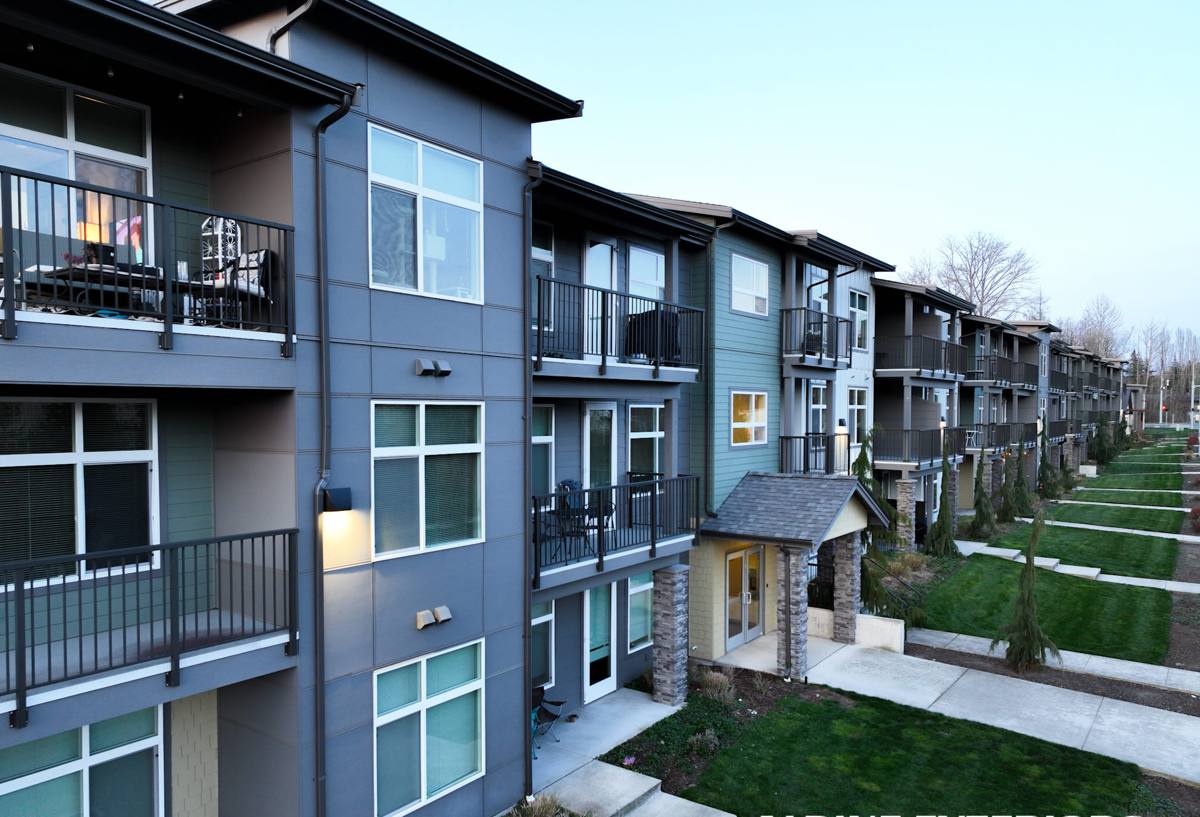
Capitol Hill has a mix you don't see everywhere in the city — older single-family homes with original wood trim and plaster walls sitting next to converted apartment buildings, townhomes, and newer infill construction. That mix matters for window work:
- Older homes often have irregular, settled openings that off-the-shelf window sizes don't fit cleanly — this is where "custom" stops being a marketing word and starts being a measurement requirement.
- Original trim and casing are frequently worth preserving for the look of the house, which changes how a window gets removed and reset without tearing up wood that can't easily be replaced to match.
- Multi-unit and denser lots mean tighter side setbacks in places, which affects scaffolding, staging, and how much of a window can be worked from outside versus inside.
- A number of properties on the Hill have some form of historic or design review overlay — worth checking before ordering anything, since it can affect what exterior appearance changes are allowed.
None of this makes the job impossible — it just means the take-off and planning stage has to be done carefully, on-site, rather than off a generic spec sheet.
Moss, Moisture, and Frame Wear
Seattle's long moss season isn't just a roof problem. Moss and organic buildup collect on horizontal window sills, in corner joints, and along any trim ledge that stays shaded and damp for months at a time. On wood-frame and wood-clad windows, that sustained moisture is what eventually breaks down paint film, softens sills, and lets water track behind the frame into the wall assembly. On vinyl and fiberglass units, it's less structurally damaging but still degrades weep systems and can hold moisture against seals longer than they're rated for.
Signs a Capitol Hill Home's Windows Need Attention
You don't need to wait for a window to fail outright. These are the early signs we look for on this side of King County:
- Fogging or a hazy band between panes of double-glazed units — the seal has failed and the gas fill is gone.
- Soft or spongy wood at the sill or bottom corners of the frame, especially on the north or west-facing sides that stay shaded longest.
- Visible daylight or a draft at the frame edge when the window is latched shut.
- Paint that's bubbling or peeling specifically at joints and corners, rather than evenly across the sash — usually a sign of trapped moisture, not just age.
- Difficulty latching or sliding a sash that used to move freely, which often means the frame has shifted or swollen.
What a Correct Custom Window Job Involves
"Custom" covers more than the glass. A properly done window replacement or new install has several parts that all have to work together:
Accurate Measurement and Take-Off
We measure every opening individually rather than assuming uniformity across a house — this matters more on older Capitol Hill homes where settling over the decades means no two openings are quite the same, even if they look identical from the sidewalk.
Flashing and Water Management
The window itself is only part of keeping water out. Proper flashing integration with the existing siding or trim — so water sheds down and away from the opening instead of behind it — is where most long-term leaks actually start if it's skipped or rushed.
Frame and Glazing Selection
Matching frame material and glass package to the exposure of each wall. A window facing prevailing wind and driving rain off the Sound doesn't need the same spec as one tucked under an eave on a sheltered side.
Sealing and Insulation
Proper backer rod and sealant at the rough opening, plus insulation in the gap between frame and framing — done wrong, this is invisible until you get a draft or a moisture problem years later.
Frame Material Comparison
| Material | How It Handles Seattle Wet Season | Maintenance | Best Fit |
|---|---|---|---|
| Vinyl | Won't rot; handles sustained moisture well | Low — occasional cleaning | Budget-conscious replacements, rental units |
| Fiberglass | Very stable in wet/dry cycling, minimal expansion | Low | Long-term durability, larger custom openings |
| Wood | Needs consistent paint/sealant upkeep to resist moss and rot | High | Historic or period-accurate exteriors |
| Wood-clad (wood interior, metal/vinyl exterior) | Exterior shell resists weather; interior keeps original look | Moderate | Homes wanting original character with less upkeep |
For a lot of Capitol Hill's older homes, wood-clad ends up being the practical middle ground — it lets the house keep its original interior trim look while putting a weather-resistant shell on the side that actually takes the rain.
Our Process
- On-site assessment. We look at every opening, not just a sample, and check for existing moisture damage before quoting anything.
- Honest scope. If a sill or section of framing is already compromised, we say so before work starts — not as an upsell mid-project.
- Material and glazing selection matched to each wall's actual exposure, not a single spec applied to the whole house.
- Removal and flashing integration, done to keep water managed at every opening, not just the window unit itself.
- Final seal and finish, with trim and paint matched as closely as possible to the existing exterior.
- Walkthrough so you know what was done and what to watch for going forward.
Permits and Design Considerations on the Hill
Depending on the property, exterior window changes on Capitol Hill can fall under Seattle permitting requirements, and some parcels carry additional design or historic review depending on the block and building. We check this as part of scoping the job rather than assuming every property is treated the same — it's a lot cheaper to confirm upfront than to redo something because a permit or review step got skipped.
What Affects Cost
| Factor | Why It Matters |
|---|---|
| Opening size and shape | Custom or non-standard sizes cost more than stock sizes |
| Frame material | Wood and wood-clad run higher than vinyl or fiberglass |
| Existing damage | Rotted framing or sills found during removal adds repair scope |
| Access and staging | Upper floors, tight side yards, or multi-unit buildings affect labor time |
| Glazing package | Upgraded glass for noise, wind, or efficiency raises unit cost |
Rough project cost for a single custom window replacement, done correctly with proper flashing, typically lands somewhere in the low-to-mid thousands per opening depending on the factors above — we'll give you a real number for your specific windows rather than a generic estimate, since the range is wide.
Maintaining Custom Windows in Capitol Hill's Climate
- Clear moss and debris from sills and tracks a couple of times a year, especially after the wettest stretches.
- Check caulking and sealant lines annually for cracking or gaps, particularly on west and north exposures.
- Repaint or re-seal wood and wood-clad frames on a regular cycle rather than waiting for visible peeling.
- Keep gutters and downspouts clear nearby — overflow onto window heads is a common, avoidable source of leaks.
- Test operation each season; a sash that's suddenly hard to move is worth checking before it's a bigger problem.
Why Hire a Crew That Already Works Capitol Hill
A crew that works this neighborhood regularly already knows what to expect from its housing stock — the settled openings, the mix of original wood trim and updated exteriors, the tight lots, and which blocks are more likely to have design review involved. That familiarity means fewer surprises mid-project and a scope that's accurate from the first walkthrough, instead of getting revised once the old trim comes off and something unexpected turns up.
It also means understanding what actually causes window failures in Seattle's specific weather pattern — not a generalized "wet climate" checklist, but the particular way driving rain, wind exposure, and a long moss season interact with different frame materials over years, not months.
If you're weighing a window replacement or a custom install on a Capitol Hill home, we're happy to come take a look and give you a straightforward, no-pressure estimate — just fill out the form below.