 Seattle
 Deck Replacement Built for How Capitol Hill Actually Weathers
Capitol Hill's mix of mature street trees, older craftsman-era lots, and steady Puget Sound moisture creates a specific kind of wear pattern on decks that a lot of general contractors don't plan for. It's not just rain — it's shade, standing moisture, needle and leaf litter, and a long stretch of the year where wood surfaces simply don't dry out between storms. We replace decks across the neighborhood with that reality built into the plan, not treated as an afterthought.
A deck replacement here isn't just swapping old boards for new ones. It's an opportunity to fix the drainage, ledger, and framing problems that caused the last deck to fail in the first place — so the next one doesn't repeat the same slow decline.
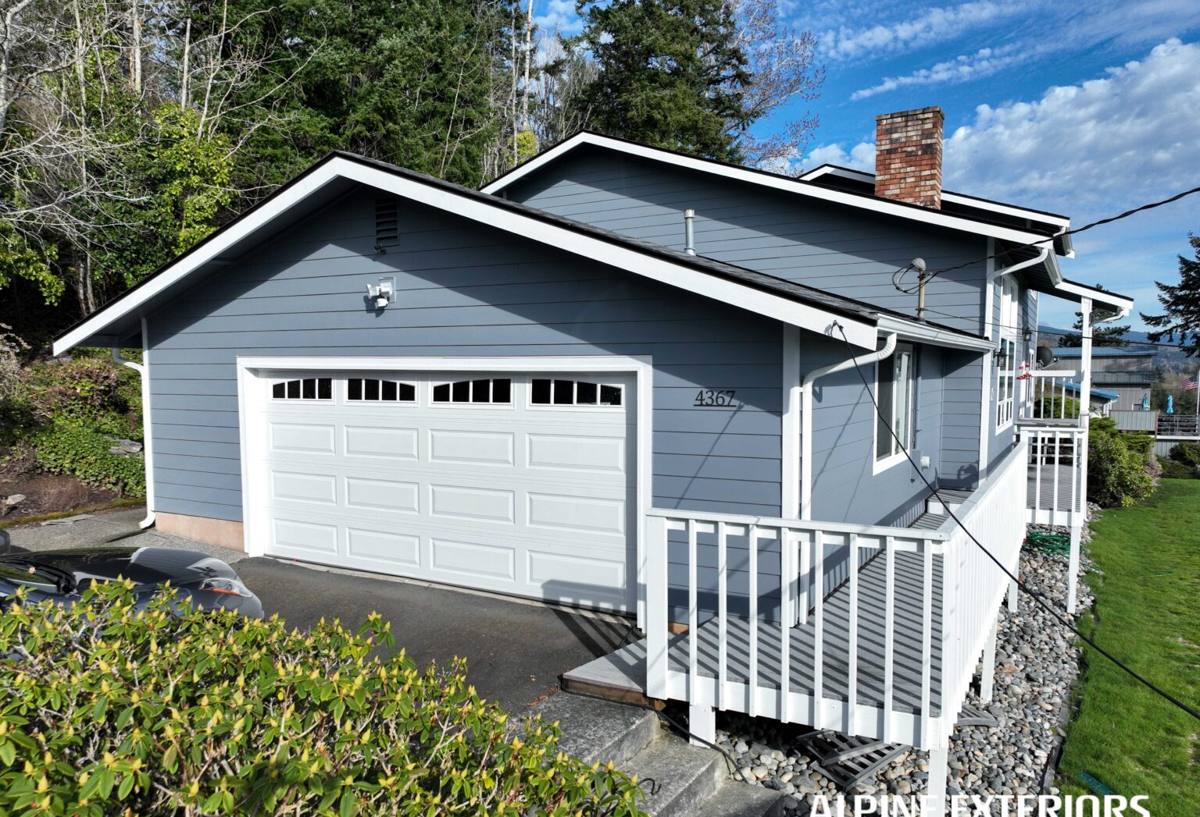
Why Decks Fail Faster in This Part of Seattle
Shade and Moss
Capitol Hill's tree canopy is part of what makes the neighborhood pleasant to live in, but it also means many decks sit in partial or heavy shade for large parts of the day. Shaded, damp wood grows moss and algae far faster than decking in full sun, and that growth holds moisture against the board surface long after the rain stops. Over a few seasons that constant dampness softens wood fibers, degrades fastener holes, and turns a slip hazard into a structural one.
Driving Rain and Wind-Driven Moisture
Seattle's rain rarely falls straight down — wind off the Sound and through the hill's elevated streets drives water sideways into ledger connections, stair stringers, and any exposed end-grain. Ledger boards and rim joists that weren't flashed correctly when a deck was first built are the single most common hidden failure point we find on replacement jobs.
Older Housing Stock, Older Framing Assumptions
Many Capitol Hill homes were built decades before current deck attachment and flashing standards existed. Original decks — or additions made in the interim without permits — often used ledger attachments, joist hangers, or footing depths that don't meet what King County soil and load conditions actually require. A replacement is the right time to correct that, even if it means more demolition than the homeowner expected.
What a Correct Deck Replacement Actually Involves
A deck replacement done right goes well below the decking surface. Here's the order we work in, and why each step matters for a Seattle climate specifically.
- Full teardown and inspection — old decking, joists, and ledger connections come off so we can see the substructure and house band board condition directly, not guess at it from below.
- Ledger and flashing correction — the ledger board is re-flashed with proper step and counter-flashing so water sheds away from the house rim joist instead of soaking into it.
- Framing and hardware — joists, beams, and posts are sized and hung with corrosion-resistant, code-rated hardware suited to persistent moisture exposure, not generic fasteners.
- Footings — footing depth and bearing are checked against King County frost and soil-bearing requirements, especially important on Capitol Hill's sloped and sometimes fill-soil lots.
- Drainage and ventilation — grading and gaps beneath the structure are set up so air can move and water doesn't pool under the deck, which is where hidden rot usually starts.
- Decking and railing install — boards and rail systems are installed with the spacing and fastening pattern the manufacturer specifies, since gapping and fastening errors are a leading cause of premature decking failure in wet climates.
- Final grading and site cleanup — surrounding soil, plantings, and walkways are restored so the finished job looks intentional, not like a construction site.
Choosing the Right Decking Material for This Neighborhood
There's no single "best" decking material — there's a best fit for how a specific deck sits on a specific lot. On Capitol Hill, shade exposure and moss pressure usually matter more than they would on a sunnier, more open lot.
| Material | How it handles shade and moisture | Maintenance | Typical lifespan |
|---|---|---|---|
| Cedar | Naturally rot-resistant but still needs airflow and periodic sealing to resist moss in shaded spots | Annual cleaning, re-sealing every 2-3 years | 15-20 years with upkeep |
| Pressure-treated fir/pine | Treated against rot but end cuts and fastener holes need re-sealing to stay protected | Cleaning and sealing every 1-2 years | 10-15 years |
| Composite decking | Doesn't absorb moisture like wood, but can still grow surface algae in heavy shade — needs occasional washing | Periodic washing, no sealing/staining | 25+ years |
| PVC decking | Fully moisture-resistant surface, least prone to moss staining in shaded yards | Occasional washing | 25-30 years |
We'll walk through these trade-offs honestly during an estimate — including where a lower-maintenance material makes sense given how much shade a particular yard actually gets, versus where solid wood is the better value for a homeowner who doesn't mind the upkeep.
A Note on Ground-Level and Low-Clearance Decks
Capitol Hill's lot sizes and setbacks mean a fair number of decks sit low to the ground with limited crawl space underneath. Low clearance restricts airflow, which is exactly the condition that lets moisture and moss problems take hold fastest. When we replace a low-clearance deck, we look hard at whether the framing height, joist spacing, or grading can be adjusted slightly to get more air movement underneath — even small clearance gains make a real difference over the deck's life.
Permits, Code, and Why We Don't Skip Them
Deck replacements in Seattle generally require a permit through the city's construction and inspections process, particularly when the structure is being rebuilt rather than just re-decked, when guardrail height or attachment changes, or when the footprint changes at all. We pull the required permits and build to current code rather than to whatever the original deck happened to meet — this protects the homeowner at resale, with insurance, and with future contractors who need to know what's actually holding the deck up.
Guardrail height, baluster spacing, and stair rise/run are code items inspectors check closely, and they're also the details most likely to have drifted out of compliance on an older deck built or modified without a permit.
Our Process, Start to Finish
- On-site assessment of the existing deck, ledger, framing, and drainage — not just the visible decking surface
- Honest discussion of what's structural versus cosmetic, and what code will require given the scope
- Written estimate covering material options, timeline, and what's included in demolition and disposal
- Permit filing and scheduling coordinated around inspection windows
- Demolition, framing correction, and flashing work done before any new decking goes down
- Final walkthrough covering maintenance expectations for the specific material installed
What This Costs — and What Actually Drives the Price
Deck replacement pricing varies more with what's found during demolition than with the size of the deck itself. A straightforward re-decking on sound framing costs meaningfully less than a job where the ledger, joists, or footings need to be rebuilt. Rather than quote a number before we've seen the substructure, we walk through the cost drivers directly with you:
| Cost factor | Why it matters here |
|---|---|
| Framing condition | Hidden rot from years of shade and moisture often isn't visible until old decking is removed |
| Decking material chosen | Composite and PVC cost more upfront but reduce moss-related maintenance in shaded yards |
| Footing and slope work | Sloped or fill-soil lots common on the hill can require deeper or additional footings |
| Railing and stair code updates | Older, non-permitted decks often need guardrail and stair changes to pass current inspection |
| Access and disposal | Tight urban lots and street parking can affect debris removal and material staging |
Why Hire a Crew That Already Works This Neighborhood
A crew that regularly works Capitol Hill has already seen how this specific combination of tree cover, hillside lots, and coastal rain patterns plays out on real decks — which framing shortcuts tend to show up on older homes here, which drainage fixes actually hold, and what King County and Seattle inspectors look for on a deck permit. That's the difference between a deck that gets re-decked every decade and one that's actually fixed at the source.
It also means practical familiarity with the neighborhood itself: narrow lots, limited street parking for material delivery, and working respectfully around close-set homes and shared property lines — logistics that matter as much as the carpentry on a dense urban block.
Signs Your Capitol Hill Deck Needs Replacing, Not Just Repair
- Soft or spongy spots in the decking, especially in shaded areas near the house
- Visible gaps, rust staining, or movement at the ledger board where the deck meets the house
- Persistent moss or dark staining that comes back within weeks of cleaning
- Railings or posts that flex or feel loose when pushed
- Fasteners that are rusted, popped up, or missing entirely
- A deck built without a visible permit sticker or inspection history on an older home
If you're seeing more than one of these, it's usually a sign the problem is in the framing, not just the surface — worth having looked at before it becomes a safety issue.
If your deck is showing its age or you're just not sure whether it needs a repair or a full replacement, we're happy to take a look and give you a straight answer. Fill out the form below for a free, no-pressure estimate.