 Seattle
 Window Replacement Built for University District Homes
University District sits close enough to the water and the tree canopy that its windows take a different kind of beating than homes further inland. Between the driving rain off the Sound, salt-tinged air, and the long stretch of gray, damp months where moss and mildew get a real foothold, older single-pane and early-generation double-pane windows in this neighborhood tend to fail earlier than their paperwork suggests. We replace windows here because the frames, seals, and sills are doing constant, quiet battle with Seattle's climate — and when that battle is lost, homeowners feel it in drafts, fogged glass, and rot they can't always see from inside.
This page covers what we look for on a University District window job, how we handle it, and why the details matter more here than they would in a drier climate.
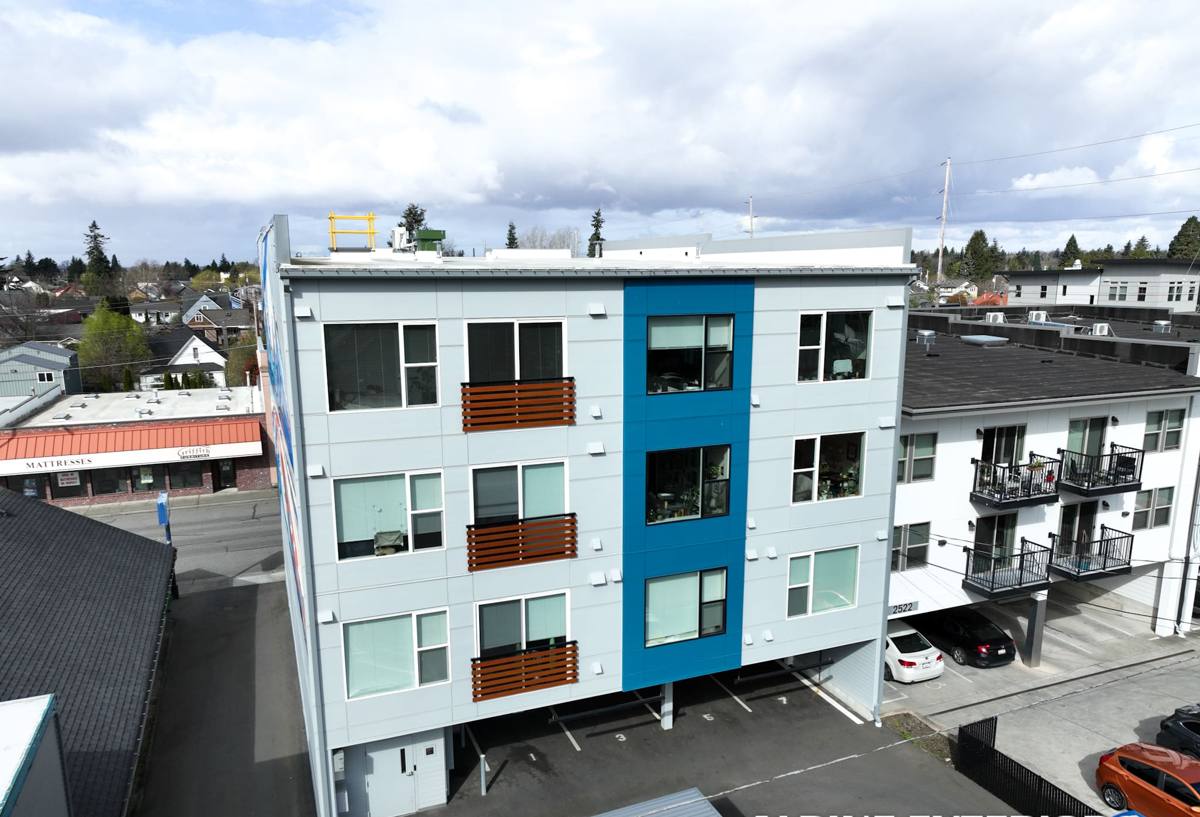
What Seattle's Climate Does to Windows Over Time
King County doesn't get extreme weather in the dramatic sense — no hurricanes, no hard freezes most winters. What it gets instead is relentless moderate exposure, and that's arguably harder on a window system than a single bad storm.
Driving Rain and Wind-Driven Moisture
Rain here rarely falls straight down. Wind off the Sound pushes it sideways into window frames, testing flashing and sealant joints that a calmer climate would never stress. Over years, that repeated wind-driven moisture finds any weak point in the installation — not just the glass unit itself, but the flashing, the sill pan, and the caulk lines around the frame.
Salt Air and Metal Fatigue
Proximity to Puget Sound means a low but steady dose of salt in the air. Salt accelerates corrosion on aluminum frames, hardware, and fasteners, and it can degrade certain sealants faster than inland conditions would. It's rarely dramatic — it's a slow wearing-down that shows up as stiff hardware, pitted metal, or seals that give out a few years before you'd expect.
Moss and Mildew Season
Seattle's long wet season (roughly October through May) keeps humidity and shade conditions favorable for moss and mildew for much of the year. On windows, that means organic growth taking hold in frame corners, weep holes, and anywhere water sits instead of draining. Clogged weep holes are one of the most common — and most preventable — causes of interior water damage we see on service calls.
Signs Your Windows Are Losing the Battle
- Visible fogging or moisture between panes of a double-pane unit (a failed seal, not a cleaning problem)
- Drafts you can feel near the frame edges even with the window closed and locked
- Soft or discolored wood on the interior sill or exterior trim
- Moss or dark staining collecting at the bottom corners of the frame
- Windows that stick, won't stay open, or need force to latch
- A noticeable rise in heating bills without any other explanation
- Condensation on the inside of the glass during cold snaps
What a Correct Window Replacement Actually Involves
Swapping the sash and calling it done is how a lot of window problems get created instead of solved. In a wet climate, the parts you can't see after installation matter more than the parts you can.
Removal and Inspection
We pull the old window and check the rough opening before anything new goes in. This is where hidden rot, soft framing, or old failed flashing gets caught — problems that, if covered up rather than fixed, will just resurface behind the new window in a few years.
Flashing and Water Management
Proper flashing directs water that reaches the wall assembly back out and away from the framing, rather than letting it pool or wick inward. This is the single most important step for wind-driven rain performance, and it's also the step most likely to get skipped or rushed by installers working fast. We treat it as non-negotiable.
Sill Pans and Sloped Drainage
A sill pan under the window unit gives any moisture that does get past the exterior seal somewhere to go — out, not into the wall. Combined with a slight outward slope, this is basic insurance against the slow leaks that cause the most expensive damage, because they go unnoticed the longest.
Sealing and Insulation
Gaps around the frame get properly insulated and sealed on both the interior and exterior sides, using materials rated for exterior exposure. A window that's air-sealed on the inside but not properly integrated with the exterior weather barrier will still let moisture track in behind the wall finish.
Choosing the Right Window for This Climate
There's no single "best" window brand or material for every house — it depends on the home's age, siding type, sun exposure, and budget. What we focus on is matching frame material and glazing to how much weather exposure a given elevation of the house actually gets, since a north-facing wall in shade and a west-facing wall catching the prevailing rain don't need to be treated the same way.
| Frame Material | How It Handles Local Conditions | Maintenance |
|---|---|---|
| Vinyl | Good moisture and salt-air resistance; won't rot or corrode | Low — occasional cleaning |
| Fiberglass | Very stable in temperature swings and moisture; strong long-term performer | Low |
| Aluminum | Can corrode faster near the Sound without a quality finish; conducts cold | Moderate — watch hardware and finish |
| Wood (unclad) | Classic look but needs consistent upkeep in a wet climate | High — regular sealing and paint |
| Wood-clad | Interior wood warmth with an exterior shell resisting moisture | Moderate |
We'll walk through these trade-offs honestly for your specific home rather than pushing one material across the board — a house with deep eave overhangs can get away with more maintenance-heavy options than one with full weather exposure.
Glazing and Glass Considerations
Double-pane, low-E glass is the practical standard for this region — it balances heat retention against the region's mild-but-persistent damp cold better than single-pane glass ever will, and it costs less to run over the life of the window than upgrading to triple-pane in most Seattle homes. Argon-filled units add a modest efficiency bump; we'll tell you plainly when that upgrade is worth the cost for your situation and when it isn't.
Our Process for a University District Job
- On-site assessment — we look at every window being discussed, not just the ones you've flagged, since exposure varies wall to wall
- Honest scope and pricing — a written estimate that separates the window units from any framing or flashing repair the opening needs
- Scheduling around weather — we plan install days to minimize how long any opening sits exposed, which matters more here than in a dry climate
- Removal, inspection, and any needed repair — rot or damaged framing gets fixed before the new window goes in, not covered over
- Installation with proper flashing and sill pans — the water-management details described above, done the same way on every job
- Interior and exterior finish work — trim, caulking, and cleanup so the job looks right from both sides
- Walkthrough — we test operation, check seals, and answer questions before we consider the job done
What to Expect Cost-Wise
Window replacement pricing depends on frame material, glass package, window size and count, and how much of the surrounding framing needs repair. Straightforward like-for-like replacements on sound framing sit at the lower end of the range; jobs that uncover rot or need custom sizing cost more. We give you the real number in writing before work starts — no surprise change orders sprung on you mid-job.
Why a Crew That Knows University District Matters
General contractors who don't work this specific area regularly can still install a window competently, but they're often working from generic assumptions about weather exposure. A crew that's done window jobs across University District and the wider Seattle area has already seen how the local mix of tree cover, water proximity, and older housing stock tends to fail — which means fewer surprises once the old window comes off the wall, and a scope of work that accounts for what's actually likely to be found rather than what a spec sheet assumes.
We also know how King County's permitting and inspection expectations apply to window replacement, so structural or egress-relevant changes are handled correctly the first time, not flagged after the fact.
Maintaining Your New Windows in a Wet Climate
A properly installed window still benefits from basic upkeep, especially in a climate that stays damp for most of the year.
- Clear weep holes of debris and moss buildup once or twice a year
- Wipe down tracks and hardware to keep moving parts free and prevent corrosion
- Check exterior caulk lines annually for cracking or separation
- Trim back vegetation that keeps a window shaded and damp longer than necessary
- Address any new drafts or sticking promptly rather than waiting for it to worsen
None of this is difficult, but skipping it is how a well-installed window ends up with an avoidable problem five or ten years down the line.
Get a Free, No-Pressure Estimate
If your University District home has windows that are drafty, fogged, sticking, or just old enough that you're wondering, we're happy to come take a look. There's no obligation and no pressure — just a straight assessment of what your windows need and what it would cost to fix it right. Use the form below to get started.