 Seattle
 Siding in a Neighborhood Built Before Modern Weatherproofing Existed
Capitol Hill is one of Seattle's older, denser neighborhoods, and that shows in the housing stock. A lot of the homes here were built in the early-to-mid 1900s — craftsman bungalows, foursquares, and older multi-family conversions packed onto narrow lots with mature trees crowding the property lines. That combination of age, density, and tree cover creates a specific set of siding problems that don't show up the same way in newer, more open subdivisions elsewhere in King County.
When we talk about siding installation in Capitol Hill, we're not just talking about swapping old boards for new ones. We're talking about correcting decades of moisture exposure, working around tight side yards and shared property lines, and installing a product system that's actually engineered for what Seattle throws at it — not just whatever was available or cheapest when the house was last re-sided.
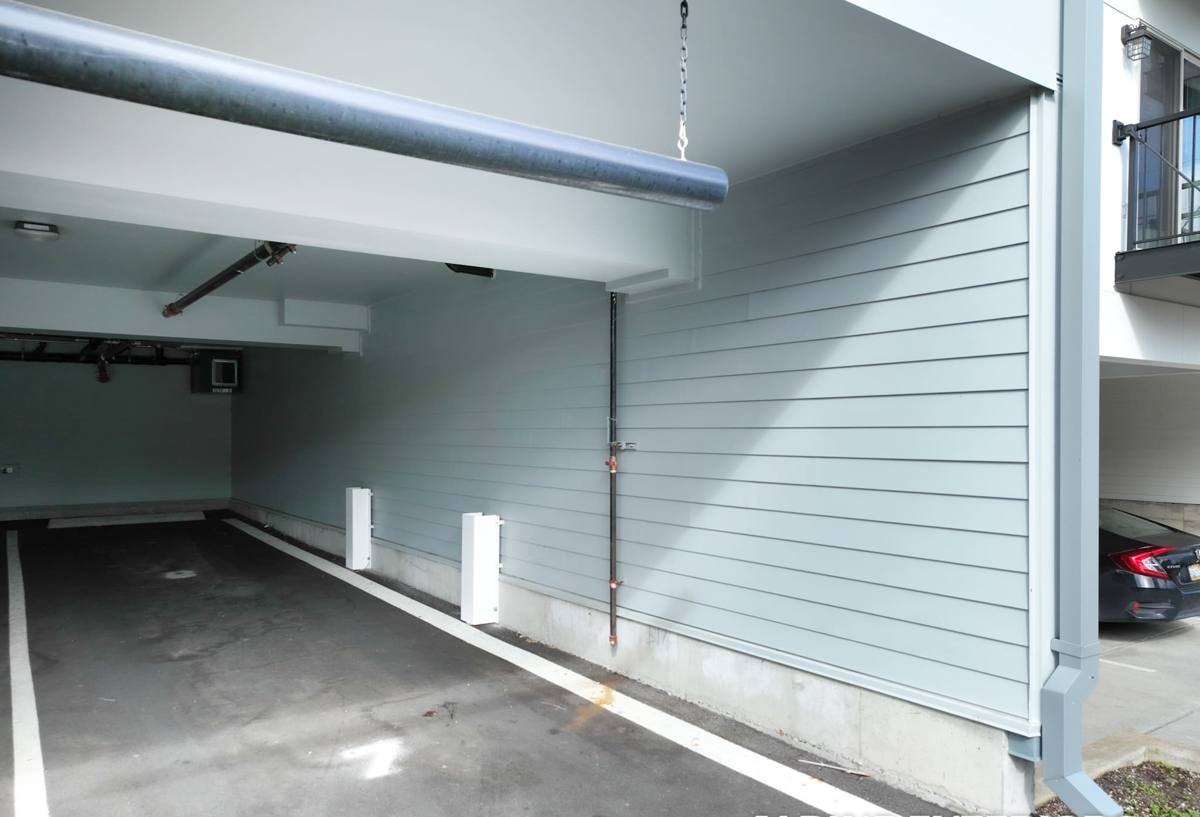
What Capitol Hill's Climate Actually Does to Siding
Seattle's Puget Sound climate is milder than most of the country, but "mild" doesn't mean "easy" on a building envelope. Three things matter most for siding here:
- Salt-influenced air. Capitol Hill sits close enough to Puget Sound that marine air reaches the neighborhood regularly, and salt-laden moisture accelerates the breakdown of fasteners, paint film, and untreated wood over time.
- Driving rain. Seattle doesn't get the heaviest rainfall totals in the country, but it gets a lot of wind-driven rain over a long wet season, which pushes water sideways into seams, laps, and trim joints that a fair-weather installation never has to deal with.
- A long moss season. Shade from mature street trees, combined with months of damp, cool weather, gives moss and algae plenty of time to establish on north-facing walls and anywhere siding stays damp longer than it should.
None of this is dramatic on its own. What it does is punish shortcuts — a poorly lapped joint, a missing piece of flashing, or a paint-grade product that wasn't built for constant moisture cycling will fail years earlier here than it would in a drier climate.
Why Older Capitol Hill Homes Are Especially at Risk
A lot of the original siding on Capitol Hill homes is solid-sawn wood lap siding, sometimes covered over the decades with layers of paint, or in some cases old asbestos-cement shingle siding from a later remodel. Both wear out in predictable ways: wood siding delaminates, cups, and rots at butt joints and near grade; older cement-based shingle products crack and become brittle. By the time a homeowner notices soft spots, peeling paint that won't hold, or visible moss buildup, there's usually moisture damage underneath that's been developing for a while.
What a Correct Siding Installation Involves Here
Siding is a system, not just a surface material. On Capitol Hill specifically, a correct installation means paying close attention to the details that keep water moving out and away from the wall assembly, not trapped behind it.
| Component | Why It Matters on Capitol Hill |
|---|---|
| Weather-resistant barrier (housewrap) | Provides the drainage plane behind the siding; critical given the volume of wind-driven rain the neighborhood sees over a wet season |
| Proper flashing at windows, doors, and penetrations | Older homes often have missing or degraded flashing; this is the single most common source of hidden rot we find |
| Correct fastener spacing and type | Marine-influenced air corrodes the wrong fasteners faster; stainless or coated fasteners rated for the exposure matter |
| Ground clearance and drainage gap | Keeps siding from wicking moisture from soil, mulch beds, or splash-back near foundations on tight lots |
| Factory-applied finish | A baked-on finish resists the moss, mildew, and algae growth that shaded Capitol Hill walls are prone to |
Skip any one of these and the siding might still look fine for a couple of years — but "looks fine" and "installed correctly" are two different things, and the gap between them shows up as a repair bill later.
Our Process for a Capitol Hill Siding Project
1. On-Site Assessment
We start by walking the exterior and identifying what's actually happening behind the existing siding, not just what's visible from the street. On older Capitol Hill homes this often means checking known trouble spots first: below windows, at the base of walls, around old trim, and anywhere moss has been holding moisture against the surface.
2. Removal and Sheathing Inspection
Once old siding comes off, we inspect the sheathing underneath. Any rotten or compromised wood gets replaced before anything new goes up — installing new siding over damaged sheathing just hides a problem instead of fixing it.
3. Water Management Layer
We install a new weather-resistant barrier and correct flashing details at every window, door, and penetration. This is the step that determines whether the new siding lasts 10 years or 40.
4. Installation to Manufacturer Spec
Siding goes up following the manufacturer's installation requirements — correct nailing patterns, gaps, clearances, and caulking practices — because those specifications are also what keeps the product warranty valid.
5. Final Walkthrough
We go over the finished work with the homeowner, point out anything worth knowing for long-term maintenance, and make sure everything meets the standard we'd expect on our own house.
Why We Only Install James Hardie Fiber Cement
We made the decision to install James Hardie fiber cement siding exclusively, and we don't install vinyl, LP SmartSide, or other fiber cement brands. That's not a marketing position — it's a standard we hold because of what we've seen hold up in this exact climate.
For a neighborhood dealing with driving rain, marine air, and a long moss season, the relevant advantages are practical ones:
- Non-combustible material. Fiber cement doesn't feed a fire the way wood-based products can.
- Moisture-stable composition. James Hardie's HardiePlank and related products are engineered specifically for wet, humid climates through their HZ5 product line, which is formulated for the Pacific Northwest's moisture exposure rather than a one-size-fits-all national spec.
- Factory-applied ColorPlus finish. A baked-on finish resists fading and holds up against the mildew and algae growth that shaded, damp walls are prone to, without the frequent repainting that field-finished products need.
- Dimensional stability. Unlike wood siding, it doesn't swell, cup, or warp with the constant wet-dry cycling Seattle winters produce.
- A strong, transferable warranty. That matters on a resale-heavy market like Capitol Hill, where a future buyer benefits from the same coverage.
Other products have real strengths — vinyl is inexpensive and low-maintenance in dry climates, engineered wood siding installs quickly and takes paint well. We just don't think either holds up to Capitol Hill's specific combination of rain, shade, and salt air as reliably as fiber cement does over a 20-30 year horizon, and we'd rather stand behind one product system we trust than offer several we don't.
Working Around Capitol Hill's Lot Conditions
Capitol Hill's narrow lots, shared driveways, and mature landscaping add real logistical constraints to a siding project that a suburban job doesn't have. Material staging space is often limited, side-yard access can be tight enough to require hand-carrying materials instead of using equipment, and overhanging trees sometimes need coordination around branches or root protection. A crew that regularly works this neighborhood plans for these constraints ahead of time — from delivery scheduling to protecting neighboring properties — instead of discovering them mid-project.
What Affects the Cost of a Siding Project Here
| Factor | Why It Moves the Price |
|---|---|
| Extent of hidden rot or sheathing damage | Older homes with a history of moisture intrusion often need sheathing repair before new siding goes on |
| House complexity | Dormers, multiple gables, and older architectural detailing take more labor than a simple rectangular wall |
| Site access | Tight side yards or limited staging space on a dense lot can slow material handling |
| Siding profile and accessories | Trim boards, corner details, and specialty profiles add cost versus a basic lap siding job |
| Existing siding removal | Multiple layers of old siding or hazardous materials like older asbestos-cement products require careful, sometimes specialized removal |
We won't quote a number without seeing the house — anyone who does is guessing. What we can say is that the biggest cost swings usually come from what's hiding behind the existing siding, not the siding itself.
What to Check Before You Hire
- Do they carry proper licensing and insurance for exterior work in Washington State?
- Do they inspect and repair sheathing before installing new siding, or just cover what's there?
- Do they follow manufacturer flashing and installation specs closely enough to keep the product warranty valid?
- Do they have experience with the access and lot constraints typical of dense, older Seattle neighborhoods like Capitol Hill?
- Will they give you a written scope that specifies the exact siding product, not just "fiber cement" or "Hardie-type" as a placeholder?
A crew that already works Capitol Hill regularly has usually seen the same house eras, the same rot patterns, and the same access challenges enough times that surprises are rare — and that experience tends to show up in fewer change orders once the walls are actually opened up.
If you're weighing a siding replacement on a Capitol Hill home, we're happy to walk the exterior with you, point out what we see, and put together a straightforward, no-pressure estimate using the form below.