 Seattle
 Decks in Wallingford Take a Different Kind of Beating
Wallingford is one of Seattle's older residential neighborhoods, sitting between Lake Union and Green Lake, and a lot of the housing stock here — craftsman bungalows, early-1900s foursquares, mid-century additions — has decks that were built or rebuilt decades ago under very different assumptions about wood, fasteners, and drainage. Those decks are now hitting the point where cosmetic fixes stop working.
King County's climate is hard on exterior wood structures in ways that aren't always obvious from the surface. Long stretches of driving rain drive moisture sideways into ledger boards and joist hangers, not just down onto the deck surface. Salt-tinged air off Puget Sound accelerates corrosion on fasteners and metal connectors, even on properties that aren't waterfront. And Seattle's mild, damp winters mean moss and algae have months to establish themselves on any horizontal wood surface that doesn't get regular sun and airflow — which describes a lot of Wallingford's shaded, tree-lined lots. A deck here can look structurally fine and still be quietly failing where you can't see it: at the ledger connection, inside overlapping boards, or around post bases sitting in standing water.
Replacement isn't always the answer — plenty of decks just need targeted repair. But when the framing, ledger, or footings are compromised, patching the surface is a short-term fix on a long-term problem. This page is about what a proper deck replacement looks like for a Wallingford home, and how we approach that work.
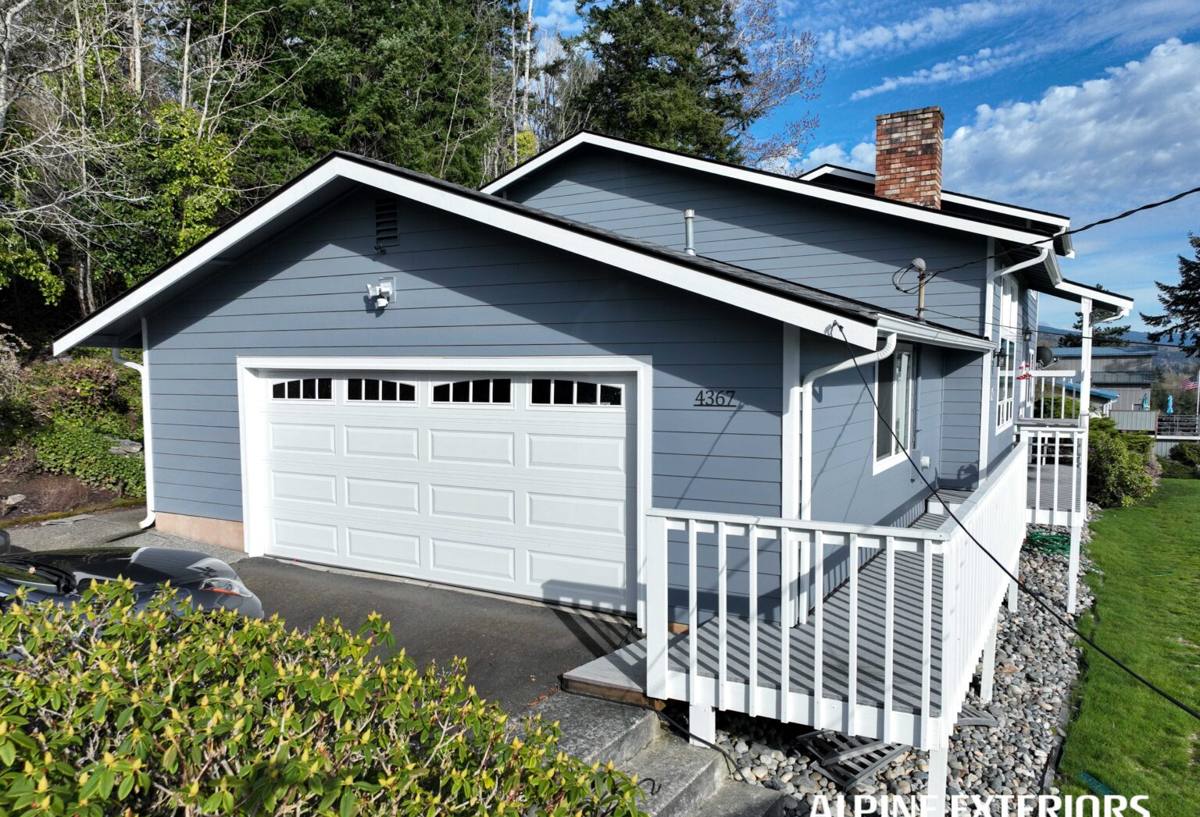
Signs a Wallingford Deck Needs Replacement, Not Repair
Most homeowners call us because something looks or feels off, not because they've diagnosed the exact problem. Here's what tends to separate a deck that can be repaired from one that needs a full rebuild:
- Soft, spongy, or spring-loaded decking boards, especially near the house or in shaded corners
- Visible gaps, rust streaks, or cracking at the ledger board where the deck meets the house
- Post bases sitting in soil, mulch, or standing water instead of on a dry, elevated footing
- Railings that flex or wiggle under moderate pressure — a code and safety issue, not just cosmetic
- Persistent moss or dark staining that comes back within weeks of cleaning
- Fasteners that are rusted, backing out, or mismatched from past patch repairs
- A deck more than 20-25 years old that has never had the substructure inspected
Any one of these on its own might be repairable. Two or three together, especially involving the ledger or the framing, usually means the deck's problems go deeper than the visible surface.
What a Correct Deck Replacement Actually Involves
The Ledger Connection
The ledger board — where the deck attaches to the house — is the single most common failure point on Seattle-area decks, and it's the one most often installed wrong in the first place. It needs proper flashing that directs water away from the house framing, not just a strip of caulk. On older Wallingford homes, we frequently find ledgers that were lag-bolted directly to siding with no flashing at all, which is exactly how water gets into the house's rim joist over time.
Footings and Posts
Footings need to sit below the frost line and be sized for the load they're carrying. On sloped or older Wallingford lots, we sometimes find footings that were poured too shallow, undersized, or placed directly on grade with no drainage — all of which lead to movement, settling, or rot at the post base over time.
Framing and Joist Spacing
Joist spacing and beam sizing depend on the decking material you choose and the span involved. Composite decking, in particular, often needs tighter joist spacing than traditional lumber — a detail that gets missed when a deck is resurfaced instead of properly rebuilt.
Fasteners and Hardware
Everything below the decking surface — hangers, screws, structural connectors — should be corrosion-resistant hardware rated for exterior and ground-contact use. In a region with this much rain and humid air, mismatched or standard-grade fasteners are one of the fastest ways a deck fails early.
Decking Material Options for Seattle's Climate
There's no single "best" decking material — it's a tradeoff between upfront cost, maintenance, and how the material handles constant moisture and shade. Here's how the common options compare for a Wallingford setting:
| Material | Moisture & Moss Behavior | Maintenance | Typical Lifespan |
|---|---|---|---|
| Pressure-treated lumber | Absorbs water; needs sealing to resist moss and swelling | Annual cleaning and re-sealing | 10-15 years |
| Cedar | Naturally rot-resistant but still needs upkeep in shaded, damp spots | Periodic cleaning, staining/sealing every few years | 15-20 years |
| Composite | Doesn't absorb water like wood, but surface moss/algae still needs washing | Occasional washing, no staining/sealing | 25-30 years |
| PVC / capped polymer | Fully resists moisture absorption | Low; mainly occasional cleaning | 25-30+ years |
We install all of these, and we'll walk you through the honest tradeoffs for your specific lot — sun exposure, tree cover, and budget all matter more than any general recommendation. A heavily shaded, tree-covered Wallingford backyard is a very different moss environment than an open, south-facing one, even a few blocks apart.
Our Deck Replacement Process
- On-site assessment. We inspect the existing deck's framing, ledger, footings, and hardware — not just the surface — to confirm replacement is actually the right call.
- Design and material selection. We go over decking material, railing style, and layout options based on your home, budget, and how you actually use the space.
- Permitting. Most deck replacements in Seattle require a permit, especially if the deck is elevated or attached to the house. We handle that process rather than leaving it to you.
- Demolition and disposal. Full removal of the old structure down to bare ground, with proper disposal — not a rebuild over compromised framing.
- Framing, flashing, and footings. This is the part that determines whether the new deck lasts 10 years or 30. Ledger flashing, corrosion-resistant hardware, and correctly sized footings all get done to code, not to the minimum that passes inspection.
- Decking, railing, and finish work. Installed to the manufacturer's spacing and fastening specs, particularly important for composite and PVC products, which are less forgiving of shortcuts than solid wood.
- Final walkthrough. We go over the finished deck with you, including what maintenance (if any) the material requires going forward.
Permits and Code in Seattle
Seattle requires a permit for most deck construction and replacement work, particularly for decks attached to the house or more than a couple feet off the ground. Inspectors are specifically looking at ledger attachment, flashing, footing depth, guardrail height, and baluster spacing — all things that are easy to get wrong on a DIY or handyman rebuild and expensive to fix after the fact. We pull the permits and build to what will actually pass inspection, not just what looks finished.
What Affects the Cost of a Deck Replacement
Every deck is different, so we won't quote a number without seeing the site, but these are the factors that move the price up or down:
| Factor | Why It Matters |
|---|---|
| Deck size and height | Larger and elevated decks need more framing, more footings, and taller guardrails |
| Decking material | Composite and PVC cost more upfront than lumber but need far less long-term maintenance |
| Ground access and slope | Sloped or tight-access Wallingford lots can add labor time for demolition and footing work |
| Existing damage | Rot that's spread into the house's rim joist or siding adds repair scope beyond the deck itself |
| Railing and stair complexity | Custom railing styles, multiple stair runs, or level changes add material and labor |
| Permitting requirements | Larger or attached decks require more inspection steps, which affects timeline more than price |
Broadly, a straightforward lumber deck replacement tends to run less than a comparably sized composite or PVC rebuild, but the material cost difference often gets offset over time by lower maintenance. We'll lay out real numbers for your specific project during the estimate — not a generic range that doesn't reflect what's actually going on with your structure.
Why Hiring a Crew That Already Works Wallingford Matters
Deck replacement isn't exotic work, but doing it right in this specific climate takes more than a general contractor checking boxes. A crew that regularly works King County homes knows what to expect from older Wallingford framing, understands how shade and tree cover on a given lot will affect moss and drainage, and isn't guessing at what Seattle's permitting office will and won't sign off on. That familiarity shows up in fewer surprises mid-project and a deck that's actually built for the way it'll be used — including winters that stay damp for months at a time.
It also matters for accountability. A local crew has a reputation in the neighborhood to maintain, which is a different incentive than a company that's in and out of the area for a single job.
Ready for an Honest Look at Your Deck?
If your Wallingford deck is showing soft spots, ledger issues, or just isn't holding up the way it used to, we're happy to come take a look and tell you straight whether it needs a repair or a full replacement. Fill out the form below for a free, no-pressure estimate.