 Seattle
 Window Replacement Built for Capitol Hill's Climate and Character
Capitol Hill is one of Seattle's older, denser neighborhoods, and its windows take a beating that a lot of homeowners don't fully appreciate until they're dealing with a stuck sash, a foggy pane, or a draft they can feel from across the room. Between the Puget Sound region's salt-tinged air, near-constant driving rain through the fall and winter, and a moss season that seems to stretch longer every year, window frames and seals here age faster than they would in a drier climate. Window replacement in this neighborhood isn't just about picking a style you like — it's about matching the product and the installation to conditions that are genuinely harder on building materials than most of the country ever sees.
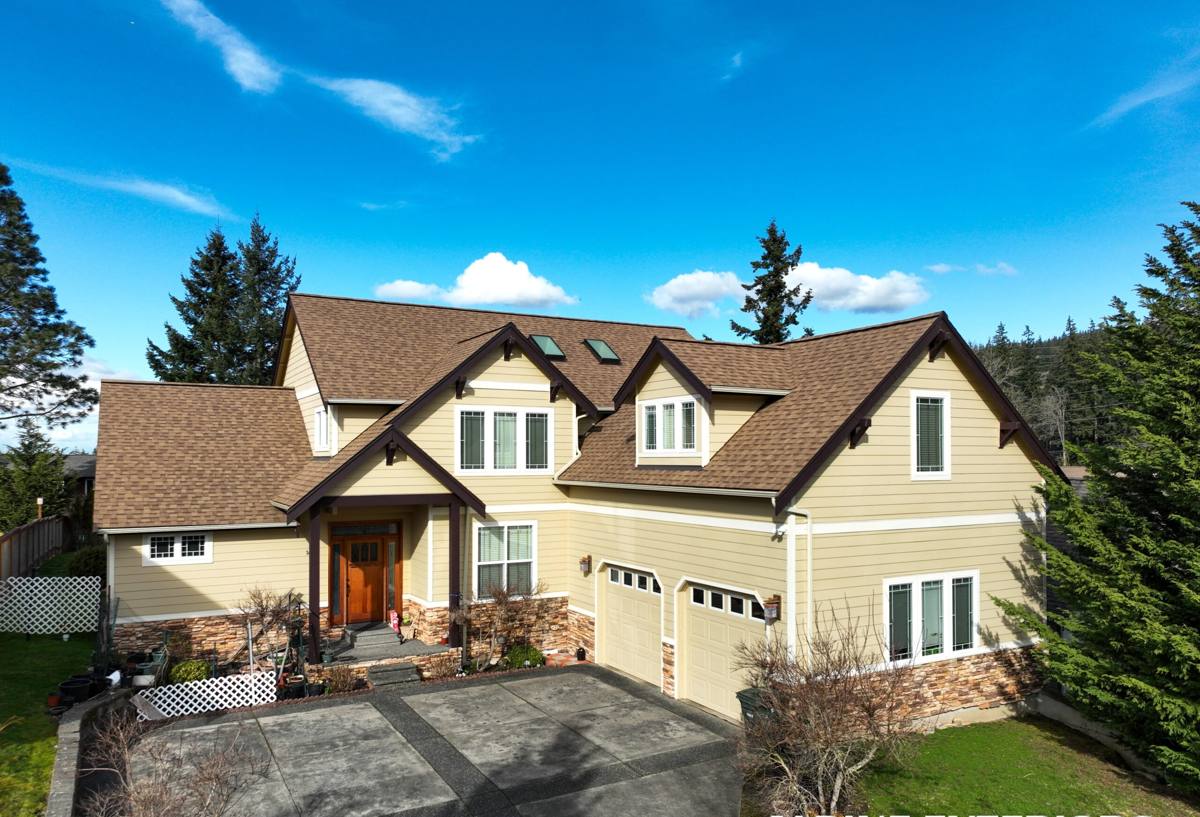
Why Capitol Hill Homes Wear Out Windows Faster
Seattle sits close enough to salt water that airborne salt is a real factor in how fast metal components corrode, even well inland from the shoreline. Add King County's wet season — months of low-intensity, sideways-driving rain rather than short heavy downpours — and you get a slow, steady assault on window seals, sills, and flashing that's very different from the occasional big storm other regions deal with.
Salt Air and Metal Fatigue
Aluminum hardware, screen frames, and older steel fasteners corrode faster in a marine climate. Once corrosion starts on a window's moving parts — hinges, balances, locking mechanisms — the window stops sealing tightly, and that's when air and water start finding their way in.
Driving Rain and Failed Seals
Wind-driven rain doesn't just hit a window straight on — it gets pushed sideways and upward into gaps that a light rain would never reach. Older windows, and even newer windows installed without proper flashing, are especially vulnerable to this kind of intrusion. Over years, that moisture works its way into the framing around the window, not just the glass unit itself.
Moss, Algae, and Trapped Moisture
Seattle's long, cool, damp stretches are ideal growing conditions for moss and algae. On window sills, tracks, and exterior trim, that growth holds moisture against wood and painted surfaces far longer than they'd otherwise stay wet, which accelerates rot and paint failure. It's a slow problem — most homeowners don't notice it until trim is already soft or a sill has started to delaminate.
Capitol Hill's Housing Stock: What It Means for Your Windows
Capitol Hill has a real mix of building types — early-1900s Craftsman and Victorian-era single-family homes, courtyard apartment buildings, and newer infill construction, often sitting right next to each other on the same block. That mix matters for window replacement in a few practical ways:
- Many older homes still have their original wood window openings, which are often slightly out of square after a century of settling — this affects how a replacement window needs to be measured and shimmed.
- Some homes already have a patchwork of replacement windows installed at different times by different owners, with inconsistent flashing quality behind the trim.
- Multi-family and older apartment buildings sometimes have shared wall assemblies or unusual window sizes that don't match standard retail stock.
- Exterior trim details on older Capitol Hill homes are often part of the house's character, and a window replacement that ignores that can visibly change the look of the home.
A crew that hasn't worked much in this kind of housing stock tends to treat every job like a standard new-construction install. That's where problems start — an ill-fitting replacement window in an out-of-square opening will never seal correctly, no matter how good the window itself is.
What a Correct Window Replacement Job Actually Involves
The window unit itself is only part of the job. The bigger factor in how well a replacement performs — especially in a climate like ours — is what happens around it during installation.
- Full opening inspection before ordering, checking the sill, jack studs, and header for rot or soft wood hidden behind the old trim.
- Correct flashing sequence — sill pan flashing, then side flashing, then head flashing installed in the right shingle-lap order so water is always directed outward and down, never trapped behind the window.
- Proper air sealing around the window frame using appropriate sealant and backer rod, not just a bead of caulk along the visible trim line.
- Insulation of the gap between the window frame and the rough opening — too little leaves a cold, drafty perimeter; too much (packed too tightly) can bow the frame and cause the window to bind or leak.
- Level, plumb, and square installation, checked and shimmed, not just eyeballed — this is what determines whether the window operates smoothly for the next twenty-plus years.
- Exterior trim and paint-line repair so the finished look matches the rest of the home instead of looking like an obvious patch job.
Skipping any one of these steps is usually invisible on installation day and only shows up later — as a leak, a draft, premature seal failure, or wood rot starting behind new trim. Correct installation is the single biggest factor in how long a window replacement actually lasts here, more than the brand of window itself.
Choosing the Right Window for a Capitol Hill Home
There's no single "best" window material — the right choice depends on your home's age, your budget, and how much upkeep you want to take on. Here's how the common options compare for our climate specifically:
| Window Type | Moisture & Salt-Air Performance | Maintenance | Typical Lifespan | Best Fit |
|---|---|---|---|---|
| Vinyl | Good — won't rot or corrode, though hardware quality varies by manufacturer | Low — no painting, occasional track cleaning | 20–30 years | Budget-conscious replacements, rental properties, most newer homes |
| Fiberglass | Excellent — very stable in temperature and moisture swings, resists warping | Low | 30–40+ years | Homeowners wanting long-term performance and are willing to pay more upfront |
| Wood-clad (exterior clad, wood interior) | Good on the exterior if clad well; interior wood still needs protection from condensation | Moderate — clad exterior is low-maintenance, but interior finish needs occasional attention | 25–35 years with proper care | Historic-character homes where interior wood trim matters |
| Aluminum | Weakest in our climate — prone to corrosion and condensation without thermal breaks | Moderate to high | 15–25 years, shorter near salt exposure | Generally not recommended for this climate unless thermally broken |
For most Capitol Hill homes, vinyl or fiberglass windows with a well-engineered installation outperform higher-end materials installed poorly. Our standard is to recommend the material that fits your home and budget honestly, rather than upselling a product that doesn't make sense for the situation.
Our Window Replacement Process
- On-site assessment — we look at every window opening individually, not just the glass, checking for rot, drafts, and existing flashing condition.
- Measurement and ordering — exact measurements are taken for each opening, since older Capitol Hill homes rarely have perfectly uniform window sizes.
- Prep and removal — old windows are removed carefully to protect interior trim and siding, and the opening is inspected again once it's exposed.
- Repair as needed — any soft or damaged framing found during removal is repaired before the new window goes in, not covered up.
- Installation — new window is set level, plumb, and square, flashed, insulated, and sealed according to manufacturer specifications.
- Exterior finish work — trim, caulking, and paint touch-up so the finished window matches the rest of the home's exterior.
- Final walkthrough — every window is opened, closed, and locked to confirm smooth operation before we consider the job done.
Permits and Historic Considerations in Seattle
Window replacement in Seattle generally requires review under the city's permitting process, and homes located within a designated historic district or on the local landmarks register may have additional design review requirements affecting window style, materials, or appearance. If your Capitol Hill home falls into either category, it's worth confirming its status before ordering windows, since it can affect what materials and configurations are allowed on street-facing elevations. We can help you figure out what applies to your specific property and handle the permitting steps that are required.
Signs Your Capitol Hill Home Needs New Windows
- Visible condensation or fogging between the panes of a double-pane window (a sign the seal has failed).
- Windows that are difficult to open, close, or lock, or that have started to feel loose in the frame.
- A noticeable draft near the window even when it's fully closed and locked.
- Soft, discolored, or peeling wood on the sill, jamb, or exterior trim.
- Visible moss or algae buildup on the sill or tracks that keeps coming back after cleaning.
- A jump in heating costs without any other obvious cause.
- Outside noise (traffic, neighbors) that feels louder than it should for a closed window.
Why Local Experience in Capitol Hill Matters
A crew that regularly works in Capitol Hill knows what to expect before they even open the walls — the out-of-square openings common in century-old homes, the layered history of past window replacements, the moisture patterns that come with this part of King County, and what Seattle's permitting process actually requires for a given property. That familiarity shows up in fewer surprises mid-project and a finished job that's sealed, flashed, and fitted the way this climate demands, not the way a generic install would be done somewhere drier.
If your windows are drafty, fogged, hard to operate, or just original to a home that's due for an upgrade, we're happy to take a look and give you a straightforward, no-pressure estimate. Use the form below to get started.