 Seattle
 Why Columbia City Homes Need Windows Built for This Climate
Columbia City sits in a part of Seattle that gets the full package of what King County weather can throw at a house: long stretches of driving rain from fall through spring, humid air off the water, and a moss season that seems to run longer every year. Windows here aren't just letting in light — they're a seal between conditioned indoor air and a climate that spends most of the year trying to push moisture inward. When that seal is old, mismatched, or was never installed correctly, the house pays for it in higher energy bills, fogged glass, and slow rot around the frame that you don't notice until it's expensive.
Energy-efficient windows done right aren't about chasing a label. They're about matching the glass, frame, and installation to what this specific climate demands, so the window keeps doing its job for decades instead of five or six years.
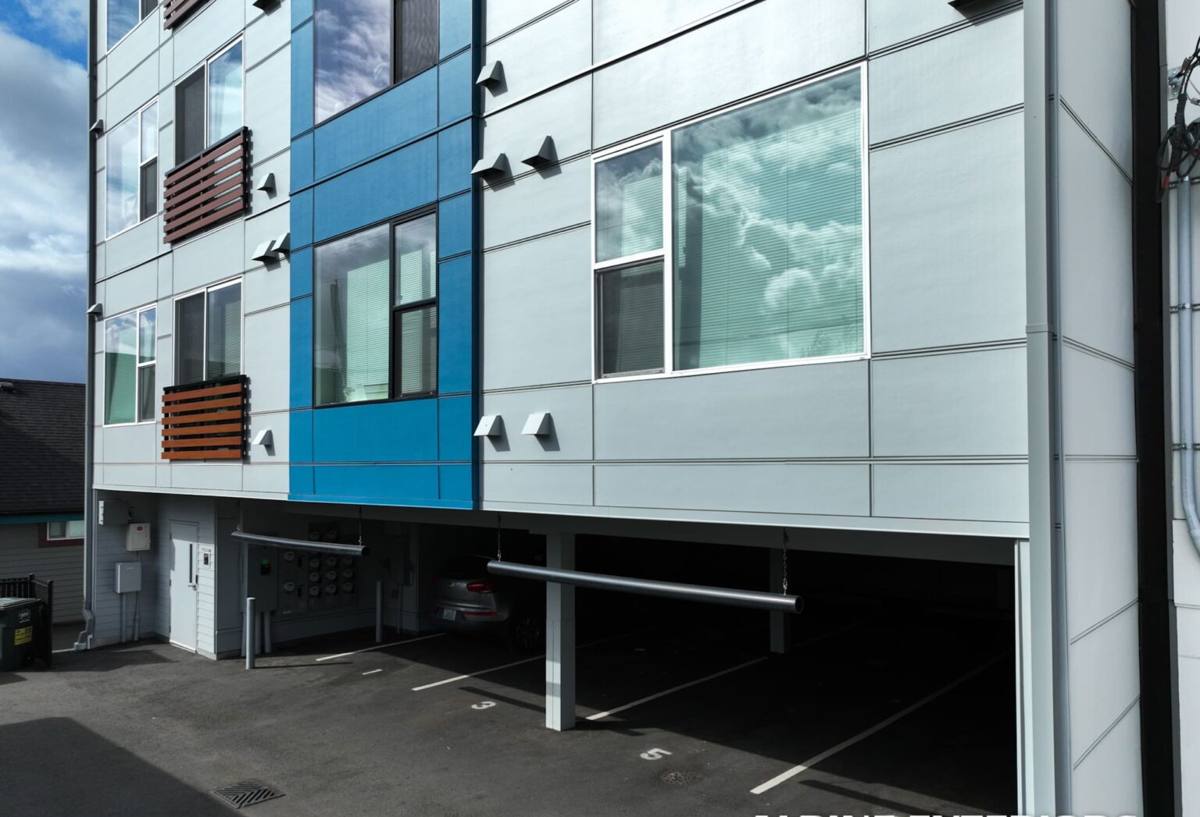
What "Energy-Efficient" Actually Means
A lot of homeowners hear "energy-efficient" and picture double-pane glass and stop there. That's part of it, but the number that actually predicts your comfort and your heating bill is the U-factor — how much heat escapes through the whole window assembly, frame included. A window can have great glass and still perform poorly if the frame is a thermal weak point or the installation leaves gaps.
The Core Components
- Glazing: Double-pane is standard now; triple-pane adds meaningful performance in colder interior rooms or noise-sensitive spots, at a higher cost.
- Low-E coatings: A microscopically thin coating that reflects heat back into the room in winter and blocks solar heat gain in summer — worth having in almost every Seattle application.
- Gas fill: Argon or krypton between panes slows heat transfer compared to plain air. Argon is the common, cost-effective choice for this region.
- Spacer system: The material separating the panes at the edge of the glass. Warm-edge spacers reduce condensation risk at the glass edge, which matters in a wet climate like ours.
- Frame material: Vinyl, fiberglass, and wood-clad each behave differently in sustained moisture — more on that below.
Signs Your Current Windows Are Costing You Money
Most homeowners don't replace windows because they woke up wanting new windows — they replace them because something started bothering them. Here's what we look for during an assessment, and what you can check yourself first.
- Visible condensation or fog trapped between the panes (a sign the seal has failed)
- Cold drafts near the frame even when the window is fully latched
- Difficulty opening, closing, or locking — often a sign the frame has shifted or swollen
- Visible moss, algae, or dark staining on the sill or exterior trim
- Soft or discolored wood at the sill, especially on window walls facing prevailing weather
- A noticeable temperature difference near the window compared to the rest of the room
- Higher heating bills than neighbors with comparable homes and square footage
Frame Material Trade-Offs — Our Professional Standard
We get asked often why we lean toward certain frame materials for this area over others. It comes down to how each material handles sustained moisture exposure and the region's freeze-thaw-and-rain cycle, not brand preference.
| Frame Material | Moisture Behavior | Maintenance | Typical Fit for This Climate |
|---|---|---|---|
| Vinyl | Won't rot; seams and welds matter for long-term weathertightness | Low — no painting or sealing required | Strong value option, good performance when properly installed |
| Fiberglass | Very stable in moisture and temperature swings, minimal expansion/contraction | Low to moderate | Excellent for exposed or weather-facing elevations |
| Wood-clad | Interior wood needs the exterior cladding and seals to stay intact to avoid hidden rot | Higher — seals and cladding need periodic inspection | Best for homes prioritizing an interior wood look, with a maintenance commitment |
| Aluminum | Conducts cold readily unless thermally broken | Low | Only recommended here with a thermal break; otherwise a poor fit |
None of these are wrong choices in the abstract — the mismatch happens when a frame that needs upkeep goes into a wall that gets pounded by rain and nobody keeps up with the maintenance. We'll tell you honestly which option fits your home's exposure and your appetite for upkeep, rather than pushing one product line regardless of fit.
Why Moss Season Matters More Than People Expect
Moss doesn't damage glass, but it holds moisture against sills, trim, and cladding for weeks at a time. On older windows with any gap in the seal or exterior caulking, that sustained dampness is exactly what accelerates frame and sill deterioration. Part of doing this job right in Columbia City is detailing the flashing and trim so water sheds away instead of sitting where moss can take hold.
What a Correct Installation Involves
The window unit itself is maybe half the job. The other half — the part that determines whether it performs for 20+ years or starts failing in five — is the installation detailing around it.
Our Process
- On-site assessment: We look at each window's exposure, the condition of the surrounding framing and sill, and how water currently moves around that opening.
- Product selection: Based on exposure and your priorities (budget, noise, view clarity, maintenance tolerance), we recommend specific glazing and frame combinations rather than a one-size answer.
- Removal and inspection: Once the old unit is out, we check the framing underneath for hidden rot or moisture damage before anything new goes in — a step that's easy to skip and expensive to skip wrong.
- Flashing and weatherproofing: Proper flashing tape and sill pans direct water away from the wall assembly, sequenced so each layer overlaps correctly with the one below it.
- Setting and shimming: The window is set level, plumb, and square, then shimmed so it isn't relying on the frame alone to hold its shape.
- Insulation and sealing: Gaps around the frame are insulated (not overpacked, which can bow the frame) and sealed on both the interior and exterior sides.
- Interior and exterior finish: Trim, caulking, and touch-up work so the finished opening looks clean and sheds water correctly at every joint.
Cost Factors for Columbia City Homeowners
There's no single price that applies to every home, but the variables that actually move the number are consistent. Broad ranges depend heavily on how many windows, what condition the surrounding framing is in, and which glazing package you choose.
| Factor | Why It Affects Cost |
|---|---|
| Number of windows and sizes | Larger openings and full-house replacements have different labor and material scaling than a handful of units |
| Frame material | Vinyl, fiberglass, and wood-clad carry different material costs |
| Glazing package | Double-pane vs. triple-pane, Low-E coatings, and gas fill each add incremental cost for incremental performance |
| Hidden framing repair | Older Seattle housing stock sometimes has moisture damage discovered only after removal, which adds scope |
| Access and site conditions | Upper-story windows, tight lot lines, and limited staging space affect labor time |
Why Local Experience Matters
Columbia City's housing stock spans a real range of ages and construction styles, and each era tends to have its own quirks around how the original windows were flashed — or weren't. A crew that already works this neighborhood has seen the common failure points in these homes before and knows what to check for without treating your house as a guessing game. That familiarity also means realistic expectations on timing and weather windows, since installation work here has to work around actual King County rain patterns rather than an idealized schedule.
Working locally also means we're not disappearing after the install. If a seal needs a look in year three or a sill needs attention after a particularly wet winter, we're a known local contractor, not a name from an out-of-area sales visit.
Maintaining Your Investment After Installation
New windows still need basic upkeep to hit their expected lifespan, especially in this climate.
- Clear moss and debris from sills and tracks a couple of times a year, more often under trees
- Check exterior caulking annually for cracking or gaps, particularly after a hard winter
- Keep weep holes on operable windows clear so water can drain out instead of pooling
- Address any new drafts or condensation promptly rather than waiting for it to worsen
Ready to Talk Through Your Options
If your windows are drafty, fogged, hard to operate, or just older than you'd like to admit, we're happy to take a look and give you an honest read on what's going on and what it would take to fix it right. There's no pressure and no sales script — just a straight assessment of your home's specific windows. Fill out the form below for a free estimate.