 Seattle
 Why Fremont Homes Need Windows Built for This Climate
Fremont's housing stock is a mix of century-old craftsman and bungalow-style homes alongside newer infill construction, and both types face the same enemy: Seattle's wet, mild, moss-friendly climate. King County doesn't get brutal cold snaps or hurricane winds very often, but it makes up for that with months of steady, driving rain, damp salt-tinged air, and long stretches where surfaces barely dry out between storms. Windows here don't fail from one dramatic event. They fail slowly, from years of moisture finding its way into places it shouldn't.
That slow failure shows up as soft wood around old wood-frame windows, fogged double-pane glass where the seal has broken, moss and algae building up in corners and tracks, and drafts that get worse every winter. A window that would be perfectly fine in a drier climate can struggle here if it wasn't installed with Pacific Northwest conditions in mind — proper flashing, the right sealants, and materials that don't hold moisture against wood framing.
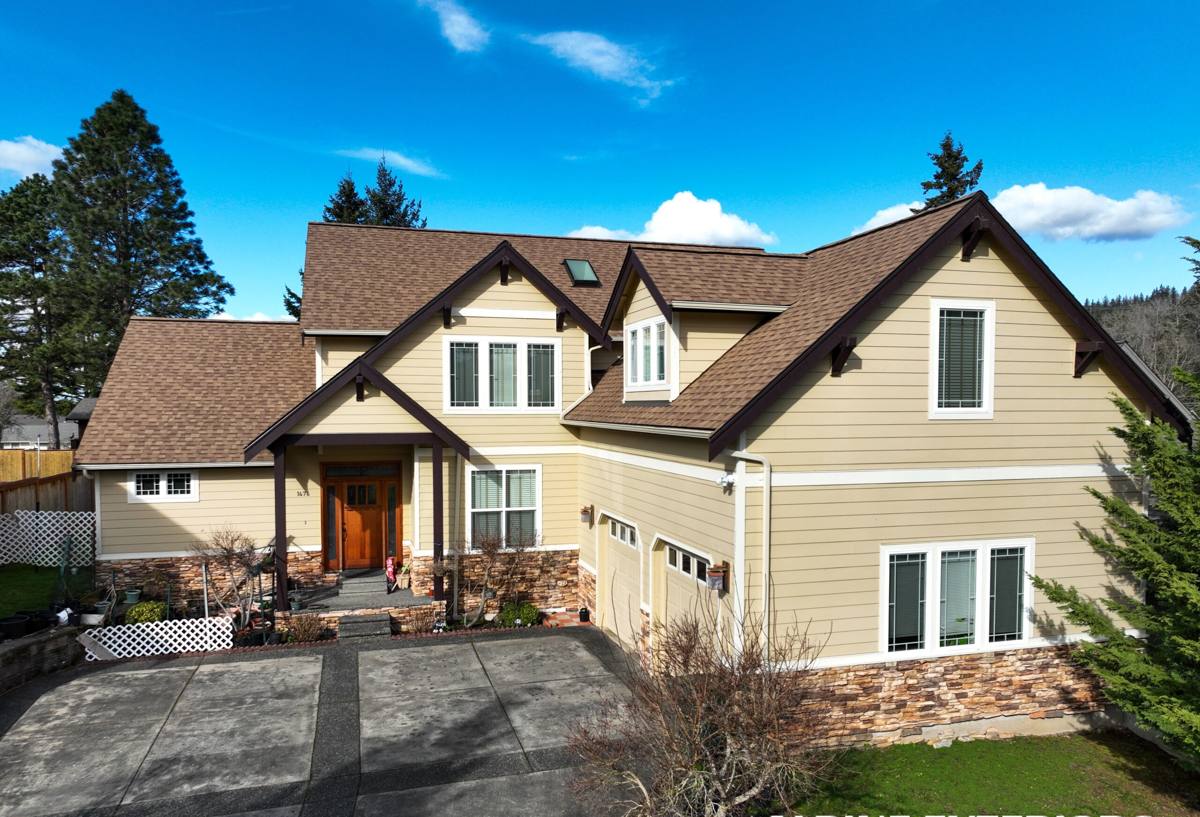
What a Correct Custom Window Installation Actually Involves
"Custom" windows means the units are built to the exact rough opening of your home rather than forced into a standard size, but the fit is only part of the job. A correct installation in a wet climate like ours comes down to a handful of details that are easy to skip and expensive to fix later.
Flashing and Water Management
Every window opening needs to shed water down and out, never in. That means properly lapped flashing tape at the sill and jambs, a sloped sill pan so any water that gets past the glass drains back outside instead of pooling against the framing, and house wrap integration that keeps the whole water path continuous. Skipping or rushing this step is the single most common cause of hidden rot behind window trim in older Seattle homes.
Sealant Selection and Placement
Not every caulk or sealant is rated for constant damp exposure. We use exterior-grade sealants at the right joints — and just as important, we leave the correct joints unsealed so trapped moisture has somewhere to escape rather than getting locked inside the wall assembly.
Insulation Without Overpacking
The gap between the window frame and the rough opening should be insulated, but overpacking it with expanding foam can bow the frame and cause the sash to bind or the seal to fail early. Low-expansion foam or backer rod, applied correctly, keeps the frame straight and the window operating smoothly for years.
Level, Plumb, and Square
An out-of-square window is harder to open and close, wears out its hardware faster, and often leaves gaps that let in both drafts and water. This is basic craftsmanship, but it's the step that gets rushed on a job that's priced too low or scheduled too tight.
Choosing the Right Frame Material for Fremont's Housing Stock
Frame material matters more here than in drier parts of the country, because it determines how the window handles years of damp exposure. There's no single right answer for every home — it depends on your home's age, your budget, and how much upkeep you want to take on.
| Frame Material | Moisture Behavior | Maintenance | Best Fit |
|---|---|---|---|
| Vinyl | Won't rot; can discolor or become brittle with age | Low — occasional cleaning | Budget-conscious remodels, rentals, newer homes |
| Fiberglass | Very stable, resists moisture and temperature swings | Low | Owners wanting long service life with minimal upkeep |
| Wood-clad | Interior wood warmth with an exterior shell protecting from rain | Moderate — watch cladding seams and interior finish | Craftsman and character homes where interior wood detailing matters |
| Solid wood | Handsome and period-correct, but vulnerable to prolonged damp exposure | High — regular painting/sealing required | Historic restorations where authenticity is the priority |
| Aluminum | Durable but conducts cold and can condensate without a thermal break | Low | Modern designs, larger glass openings |
For most Fremont remodels, we steer homeowners toward fiberglass or a well-built vinyl for the best balance of moisture resistance and low upkeep, and toward wood-clad when the goal is matching original craftsman detailing on the interior. We're honest about the trade-offs of solid wood in this climate — it's beautiful, but it demands a maintenance commitment that not every homeowner wants to sign up for.
Glass Packages Worth Considering
- Double-pane low-E glass — the standard baseline for energy performance in our region's mild-but-damp climate
- Argon or krypton gas fill — modest efficiency gain, worth it on larger windows
- Laminated glass — added sound dampening, useful on busier Fremont streets
- Tempered glass where code requires it — near doors, low sills, and wet areas
Signs Your Current Windows Are Already Failing
Because window failure here is gradual, most homeowners don't notice until the damage has spread. A quick self-check can tell you whether you're looking at a repair or a full replacement.
- Fogging or a visible haze between panes of double-glazed windows — the seal has broken and the insulating gas is gone
- Soft or spongy wood at the sill, especially on the exterior side
- Paint that keeps bubbling or peeling on the same window no matter how often it's touched up
- Visible moss or dark streaking in the corners or tracks
- Windows that are hard to open, don't latch fully, or let in a draft you can feel with your hand
- A noticeable jump in heating costs without any other explanation
One or two of these on a single window might mean a targeted repair. The same symptoms across several windows, especially on the sides of the house that take the most weather, usually point to a broader replacement conversation.
How Our Process Works
- On-site assessment. We look at your existing windows, framing condition, and how water and wind hit each side of the house before recommending anything.
- Honest scope and options. You get a clear picture of what needs replacing now, what can wait, and which materials fit your budget and the house — no upsell to premium products you don't need.
- Precise measurement and ordering. Custom units are built to your exact openings, which avoids the gaps and shim-heavy fixes that come with forcing a stock size to fit.
- Removal and prep. We check the framing underneath for hidden rot or water damage before the new window goes in — better to find it now than have it resurface in two years.
- Installation with proper flashing and sealing. This is where most of the long-term performance is decided, and it's where we spend the most care.
- Final walkthrough. We test operation, check the seals, and walk the job with you before we call it done.
Cost Factors for a Fremont Window Project
There's no honest single number for window replacement — cost depends on size, material, glass package, and how much of the surrounding trim or siding needs to be opened up. What we can share are the factors that actually move the price.
| Factor | Why It Affects Cost |
|---|---|
| Frame material | Vinyl is generally the most affordable; fiberglass and wood-clad cost more upfront but often less over the window's life |
| Window size and style | Larger openings, custom shapes, and multi-panel configurations require more material and labor |
| Number of windows | Whole-house projects typically bring a better per-window cost than one-off replacements |
| Condition of existing framing | Rot repair discovered during removal adds labor that can't always be predicted upfront |
| Trim and siding work | Matching trim profiles or patching siding around a resized opening adds finish work |
| Access and site conditions | Second-story windows, tight side yards, or older lead-paint trim requiring extra precautions can affect labor time |
We'd rather walk your home and give you real numbers than guess in the abstract — broad brochure pricing rarely survives contact with an actual house.
Why a Crew That Already Works Fremont Matters
A lot of what makes a window installation hold up here isn't exotic — it's knowing how Seattle's climate actually behaves in this part of King County and building every detail around that. A crew that regularly works Fremont and the surrounding neighborhoods has already seen how the housing stock here ages: which original details are worth preserving, which older windows tend to hide rot behind their trim, and how driving rain finds the gaps that a rushed installation leaves behind.
That local pattern-recognition matters more than it sounds. It's the difference between an installer who follows a generic checklist and one who knows, from repeat experience in this exact climate, where Fremont homes typically need extra attention — a sill that's usually softer than it looks, a wall orientation that takes more weather than the others, a flashing detail that original construction in this area often got wrong the first time.
A Simple Pre-Estimate Checklist
Before we come out, it helps to walk your own home with these questions in mind. It'll make your estimate faster and more accurate.
- Which windows are hardest to open or close?
- Do you see fogging, moisture, or moss on any specific windows?
- Is there visible paint failure or soft wood at any sills?
- Are you trying to match existing trim and style, or open to updating the look?
- Is this a whole-house project or a few problem windows?
- Any rooms with noticeable drafts or higher energy bills?
Bring that list, and we'll build the rest of the assessment around it — no pressure, no scripted upsell, just an honest read on what your home actually needs.
If your Fremont home has windows that are fogging, drafty, or showing their age, we're happy to take a look and give you a straightforward assessment. The estimate is free, there's no pressure to commit on the spot, and you'll walk away with real numbers instead of guesswork — just use the form below to get started.