 Seattle
 Custom Windows Built for University District's Housing Stock
University District sits in one of Seattle's older, denser residential pockets, where you'll find a mix of early-20th-century craftsman and Tudor-style homes, older multiplexes, and infill construction squeezed between them. That mix means window openings are rarely standard sizes, trim details vary block to block, and a lot of the original wood sash and frame material is now three, four, sometimes five generations past when it was installed. "Custom" isn't a marketing word here — it's a practical necessity. When a home's openings don't match modern manufacturer defaults, or when matching a historic sightline actually matters to the character of the house, off-the-shelf replacement windows either don't fit or don't look right once they're in.
We work on homes like these regularly, and the goal is always the same: a window that fits the actual opening in front of us, performs well in Seattle's climate, and doesn't look like an obvious retrofit from the street.
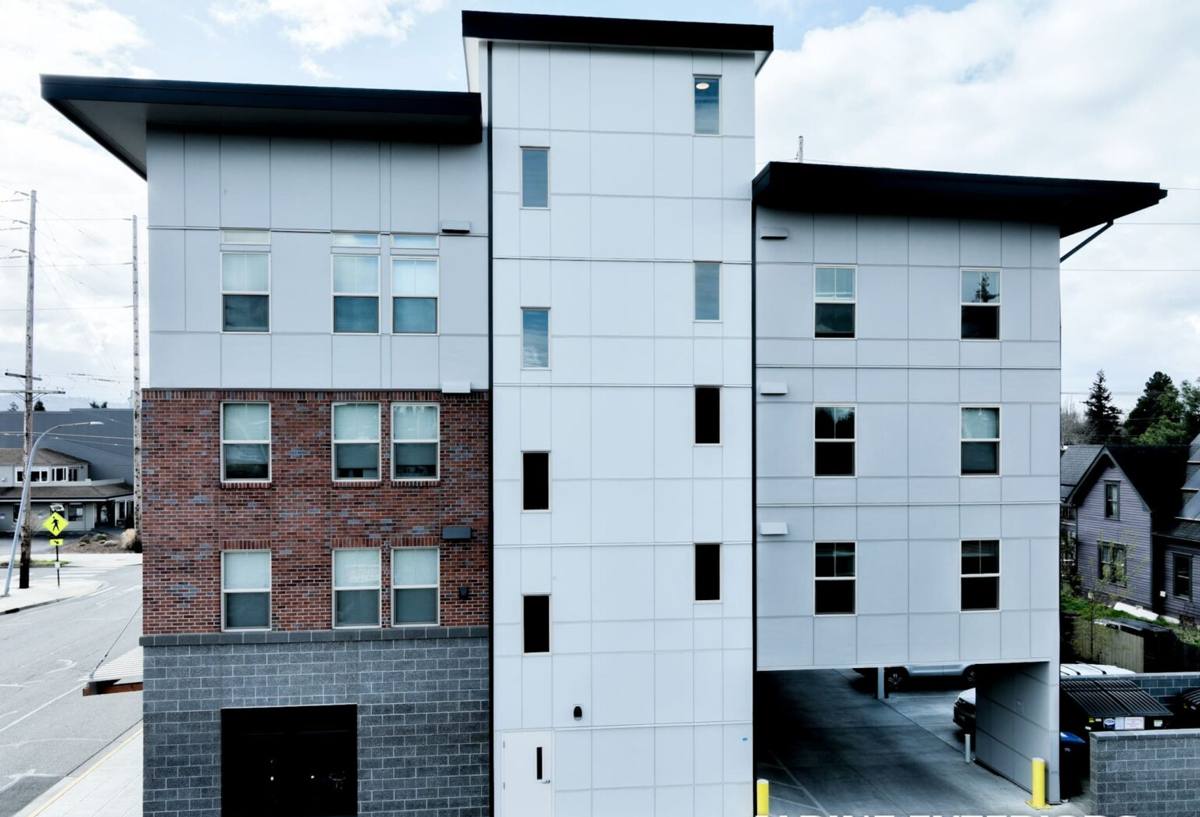
What "Custom" Actually Means in Practice
A lot of homeowners hear "custom windows" and assume it means an upcharge for something cosmetic. In reality, custom fabrication solves specific, common problems in older King County housing:
- Non-standard openings — older framing settles and shifts over decades, so two windows that look identical from the sidewalk can differ by half an inch or more in actual rough opening size.
- Matching grid patterns and sightlines — craftsman and Tudor homes often have specific muntin patterns or divided-light looks that stock windows don't replicate well.
- Odd shapes — arched tops, angled bays, and other non-rectangular openings common in older builds.
- Depth and jamb adjustments — older wall assemblies aren't built to modern wall depths, so the window has to be built or shimmed to sit correctly without gaps.
Custom fabrication takes longer to order and costs more than a stock size off a shelf, but it's the difference between a window that seals properly for the next 20-plus years and one that's fighting its opening from day one.
Why Seattle's Climate Is Hard on Windows
Window failure in this region rarely comes from one dramatic event — it's cumulative. Seattle and King County sit in a marine climate with driving rain that comes in sideways during fall and winter storms, near-constant humidity, and long stretches of overcast, damp weather that never quite lets surfaces fully dry out. Add in the salt-laden air that moves through the broader Puget Sound region and you get a combination that's tough on both the window material and the seals holding it together.
The most visible symptom is moss and algae growth on north-facing and shaded frames, sills, and tracks — a near year-round issue for a lot of the region given how little direct sun some exposures get for months at a time. Moss holds moisture against wood and vinyl surfaces, which accelerates rot in wood components and can stain or degrade weaker vinyl and sealant over time. Combined with driving rain that tests every seal and flashing detail, and swings between damp winters and drier summers that stress caulking and expansion joints, older single-pane or early double-pane windows in this area tend to fail from the outside in — starting at the seals and corners, not the glass itself.
What That Looks Like on an Older Home
On the craftsman and early-1900s to mid-century homes common in this neighborhood, we typically see the same failure pattern: original wood sash with deteriorating glazing putty, sills that have absorbed enough moisture to soften or rot at the corners, and storm windows or later replacement units installed without properly flashing the new opening — which just moves the water problem behind the wall instead of solving it.
Signs Your Windows Need Replacing, Not Just Repair
Not every window with a problem needs full replacement. Here's a practical checklist for what usually tips a window from "repairable" to "replace it":
- Wood frame or sill that's soft, spongy, or visibly rotted when pressed with a screwdriver
- Persistent condensation between panes on double-pane units (a sign the seal has failed and the gas fill is gone)
- Windows that won't stay open, won't latch, or have painted-shut sashes
- Visible daylight or a noticeable draft around the frame when the window is closed
- Moss or dark staining that keeps returning within weeks of cleaning
- Single-pane glass with no storm window, especially on north- or west-facing walls
- Noticeable outdoor noise coming through — common near busier University District streets and campus-adjacent traffic corridors
- Rooms that are noticeably colder or draftier than the rest of the house in winter
If you're only seeing peeling paint or minor glazing cracks with a solid, dry frame underneath, repair or reglazing is often the more honest answer — we'll tell you that instead of selling a replacement you don't need yet.
Choosing Materials and Glass for This Climate
Material choice matters more here than in drier climates, because whatever you install is going to spend a lot of its life wet or damp. Here's how the common options actually compare for a University District home:
| Material | Moisture Behavior | Maintenance | Best Fit |
|---|---|---|---|
| Vinyl | Won't rot, handles moisture well, but can flex or discolor over many years of UV and temperature cycling | Low — occasional cleaning | Budget-conscious replacements, rental units, additions |
| Fiberglass | Very stable in wet/dry cycling, minimal expansion or contraction | Low | Homes wanting long service life without wood upkeep |
| Wood-clad (wood interior, metal or vinyl exterior shell) | Exterior shell protects the wood from direct weather; interior can still see condensation issues if the home has poor ventilation | Moderate — interior wood may need occasional attention | Craftsman and historic-style homes where interior wood trim matters |
| Solid wood | Most vulnerable to driving rain and prolonged dampness without diligent upkeep | High — regular painting/sealing required | Strict historic matching where upkeep is planned for |
We don't push solid wood replacements on exposed elevations in this climate unless a homeowner specifically wants it and understands the maintenance commitment — it's not that wood is a bad material, it's that driving rain and long damp stretches punish any lapse in upkeep. For most University District homes, fiberglass or a quality vinyl gets the performance and longevity homeowners actually want, and wood-clad options let us keep the interior look right on older homes without exposing raw wood to the weather outside.
Glass Packages Worth Asking About
Beyond frame material, the glass package does a lot of the real work:
- Low-E coatings — help manage heat loss in winter and heat gain on the rare hot summer days, without changing how clear the glass looks
- Argon or krypton gas fill — improves insulation between panes; this is the seal that fails first and causes the fogging you see in old double-panes
- Laminated glass — worth considering on street-facing rooms where road or foot traffic noise is a factor
- Tempered glass — required by code in certain locations (near doors, low sills, bathrooms) regardless of style
Our Installation Process
A correct window install is mostly about what happens before and around the glass goes in, not the glass itself. Here's how we approach it:
- On-site assessment and measurement — we check the actual rough opening, framing condition, and existing flashing or water damage before quoting anything.
- Custom order and fabrication — windows are built to the true opening dimensions, not rounded to the nearest stock size.
- Removal and opening prep — old sash and frame come out, and we inspect the sill and framing underneath for rot or moisture damage that needs addressing before the new unit goes in. This step gets skipped by rushed installers and it's the single biggest reason replacement windows fail early.
- Flashing and weatherproofing — proper flashing tape and sealant sequencing so water sheds outward and never gets trapped behind the new window.
- Setting and shimming — the window is leveled, squared, and shimmed so it operates smoothly and seals evenly on all sides.
- Insulation and interior/exterior trim — gaps get properly insulated (not just caulked over), and trim is finished to match the surrounding wall.
- Final operation check and cleanup — every window is tested for smooth operation and a tight seal before we call the job done.
Permits and Older-Home Considerations in Seattle
Standard replacement-in-kind window work (same size opening, same location) typically doesn't require a permit in Seattle, but changes to opening size, egress windows in bedrooms, or work on homes in designated historic districts can trigger review. King County and City of Seattle rules shift periodically, so we check the specifics for your address and permit type before work starts rather than assuming based on the last job down the street. If your home is older and has never had its bedroom windows brought up to current egress sizing, that's worth flagging during the estimate — it's a common gap in early-1900s construction and an easy thing to correct while windows are already being replaced.
University District also has a meaningful share of rental and multi-family properties. If you're a property owner or manager, we're used to coordinating around tenant schedules and working efficiently between move-outs, so replacement doesn't turn into extended vacancy time.
Why a Local University District Crew Matters
Window replacement on older Seattle homes goes better when the crew has already seen the specific problems this neighborhood's housing stock tends to have — settled framing, layered old paint on original wood trim, sills that were patched once already and need real correction this time, and the particular way driving rain finds its way into poorly flashed openings on this side of the city. A crew that works here regularly isn't guessing at how the local building stock behaves; they've already solved the same problem on a similar house a few blocks over.
There's also a practical side: being local means a faster response if something needs adjustment after install, easier scheduling around King County permit timelines, and a crew that's realistic about what your specific home needs instead of applying a one-size-fits-all approach built for a different climate or a newer housing stock.
Caring for New Windows in a Wet Climate
Even good windows need some upkeep in this climate to hit their full service life:
- Clear moss and debris from tracks and sills every few months, especially on shaded, north-facing exposures
- Check exterior caulking annually and touch up before gaps widen
- Keep weep holes (the small drainage openings on the exterior sill) clear so water can drain out instead of pooling
- Wipe down interior sills if you notice condensation buildup during cold snaps — it's usually a ventilation issue, not a window defect
A few minutes of seasonal attention goes a long way toward preventing the same moss-and-moisture cycle that likely wore out the windows you're replacing now.
Get a Free, No-Pressure Estimate
If you're dealing with drafty, foggy, or rotting windows in your University District home, we're happy to come take a look, measure the actual openings, and give you an honest read on what's repair versus replace. There's no pressure and no obligation — just a straight assessment from a crew that knows this neighborhood's housing stock and this region's weather. Fill out the form below to get started.