 Seattle
 Building Decks for Ravenna's Marine Climate
Ravenna sits in one of the greener, more tree-lined pockets of Seattle, and that character comes with a trade-off for anything built outdoors. The same marine climate that keeps King County lawns green year-round also keeps wood, fasteners, and footings wet for long stretches of the year. Salt-laden air off Puget Sound, driving rain that comes in sideways during fall and winter storms, and a moss season that can stretch from October through May all put steady pressure on an outdoor structure. A deck that isn't built with this specific climate in mind doesn't fail overnight — it fails slowly, through soft spots, loose railings, and green film that never quite goes away.
We build decks with that reality in mind rather than treating Seattle like anywhere else. That means different framing choices, different fastener specs, and a different maintenance conversation with the homeowner before we ever cut a board.
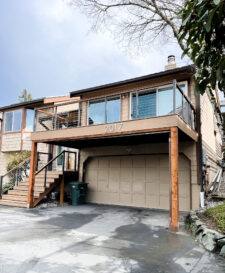
What Ravenna Homes Need From a Deck
Moisture Management From the Ground Up
Most deck problems in this region start below the decking boards, not on top of them. Standing water at the ledger board, poor drainage at the footings, and trapped moisture in enclosed framing are the real causes of rot and structural failure. A deck built for Ravenna needs positive drainage away from the house, footings set below the frost and saturation zone for our soil conditions, and framing that's designed to dry out between storms rather than stay damp all winter.
Materials That Actually Hold Up
Ravenna's mature tree canopy is part of what makes the neighborhood attractive, but overhanging trees mean more shade, more falling debris, and slower drying times for any deck underneath them. That shifts the material conversation. A board or fastener that would be fine on a sun-exposed deck in a drier climate may not perform the same way under consistent shade and moisture here.
Decking Material Comparison
There's no single "right" material for every Ravenna lot — it depends on sun exposure, tree cover, budget, and how much upkeep a homeowner actually wants to do. Here's how the common options compare in this specific climate:
| Material | Moisture & Moss Resistance | Maintenance | Typical Lifespan |
|---|---|---|---|
| Pressure-treated wood | Good if properly sealed and ventilated; prone to moss in shaded, low-airflow spots | Annual cleaning and resealing recommended | 15-20 years with upkeep |
| Cedar | Naturally moisture- and insect-resistant, but still needs airflow to resist surface moss | Periodic cleaning and staining/sealing | 15-25 years with upkeep |
| Composite decking | Very good — resists rot, but can still grow surface moss/mildew in deep shade without cleaning | Low; occasional washing | 25-30+ years, manufacturer-dependent |
| PVC/capped polymer | Excellent moisture resistance; least prone to moss when kept clean | Low; periodic washing | 25-30+ years, manufacturer-dependent |
We'll walk you through the honest trade-offs for your specific lot — a heavily shaded, tree-covered yard in Ravenna is a different decision than a more open, sun-exposed one a few blocks away.
Framing, Flashing, and the Details That Get Skipped
Ledger Board Flashing
Where a deck attaches to the house is the single most common point of water intrusion, and it's also the detail that gets rushed on lower-quality jobs. Correct ledger flashing directs water away from the house framing instead of letting it wick in behind the siding. In a climate with as much driving rain as Seattle gets, this isn't optional — it's the difference between a deck that protects your home and one that slowly damages it.
Joist Hangers and Fasteners
Standard fasteners corrode faster in our combination of moisture and salt-influenced air, which weakens connections over time in ways that aren't visible from the surface. We use corrosion-resistant, code-rated hardware sized to the framing lumber, and we match fastener metallurgy to the treated lumber or composite substructure being used, since mismatched materials can accelerate corrosion.
Footings and Drainage
Footing depth and placement account for our soil conditions and drainage patterns, not a generic minimum. Grading around the footings matters too — a deck built without attention to where water actually goes after a storm will end up with saturated soil around its posts, which is a slow but real threat to structural stability.
Moss, Mold, and Long-Term Maintenance
Moss on a deck surface is more than a cosmetic issue — it holds moisture against the wood or composite surface, makes stairs and walking areas slippery, and, left unchecked, can accelerate wear on the material underneath it. Good design reduces how much moss you'll deal with; it doesn't eliminate the need for occasional upkeep in a climate with a moss season this long.
- Keep gaps between boards clear of leaves and debris so water and air can move through
- Trim back overhanging branches where possible to increase sun and airflow across the deck surface
- Sweep or rinse the deck regularly through fall and winter, when moss growth is most active
- Check that gutters and downspouts near the deck aren't dumping extra water onto the surface or framing
- Reseal or restain wood decking on the manufacturer's or installer's recommended schedule
- Wash composite or PVC decking periodically — even low-maintenance materials benefit from it in deep shade
- Inspect railings, stair connections, and ledger flashing once a year for early signs of movement or wear
Our Deck Building Process in Ravenna
Site Assessment & Design
We start by walking the actual lot — sun exposure, tree cover, drainage patterns, and how the deck will connect to the house — rather than designing from a generic template. This is where material recommendations get tailored to your specific yard.
Permitting
We handle the permit process with the City of Seattle so the deck is built to code from the start, not retrofitted later to pass an inspection.
Construction
Framing, flashing, and fastener choices follow the climate-specific approach outlined above. We don't cut corners on the parts of the job that aren't visible once the decking boards go down, because those are the parts that determine how the deck performs in year eight or year fifteen, not year one.
Final Walkthrough
Before we consider the job finished, we walk the completed deck with you, explain what maintenance it needs and on what schedule, and make sure you understand the materials and hardware that went into it.
Permits and Code in Seattle
Seattle sits within King County, but permitting for residential construction in Ravenna goes through the City of Seattle's Department of Construction and Inspections rather than the county. Most attached decks, and any deck of meaningful size or height, require a permit, and elevated decks bring additional guardrail and structural requirements into play. Skipping this step to save time is a real risk — unpermitted work can complicate a future home sale and, more importantly, means the structure wasn't independently checked for safety. We build to pull the correct permits as a standard part of the job.
What Affects the Cost of a Ravenna Deck
Every deck is priced around the specifics of the project, but a few factors consistently move the number more than others:
| Factor | Why It Matters |
|---|---|
| Size and footprint | More square footage means more material, framing, and labor |
| Material choice | Wood, composite, and PVC have different upfront costs and different long-term maintenance costs |
| Height and elevation | Multi-level or elevated decks require more structural framing and code-required guardrails/stairs |
| Site access and grading | Sloped or hard-to-access lots, common in parts of Ravenna, can add labor time |
| Railings and finishing details | Custom railing styles and finish work add to both material and labor cost |
Rather than quote a number that doesn't reflect your actual lot, we'll walk your property and give you a real, itemized estimate based on what your project specifically needs.
Why Hire a Crew That Already Works in Ravenna
A deck built by a crew that hasn't worked much in Seattle's marine climate can still look right on the day it's finished — the problems that come from wrong flashing details, undersized ventilation, or the wrong fastener choice usually show up years later, after the crew is long gone. Working regularly in Ravenna and similar Seattle neighborhoods means we've seen how tree cover, drainage patterns, and King County's wet winters actually affect a deck over time, and we build accordingly rather than guessing. It also means we're familiar with Seattle's permitting process and typical lot layouts in the area, which keeps the job moving without avoidable delays.
If you're planning a new deck or replacing one that's showing its age, we're happy to take a look and give you a straightforward, no-pressure estimate — just fill out the form below and we'll get in touch.