 Seattle
 Deck Repair Built for Capitol Hill's Older Homes and Tight Lots
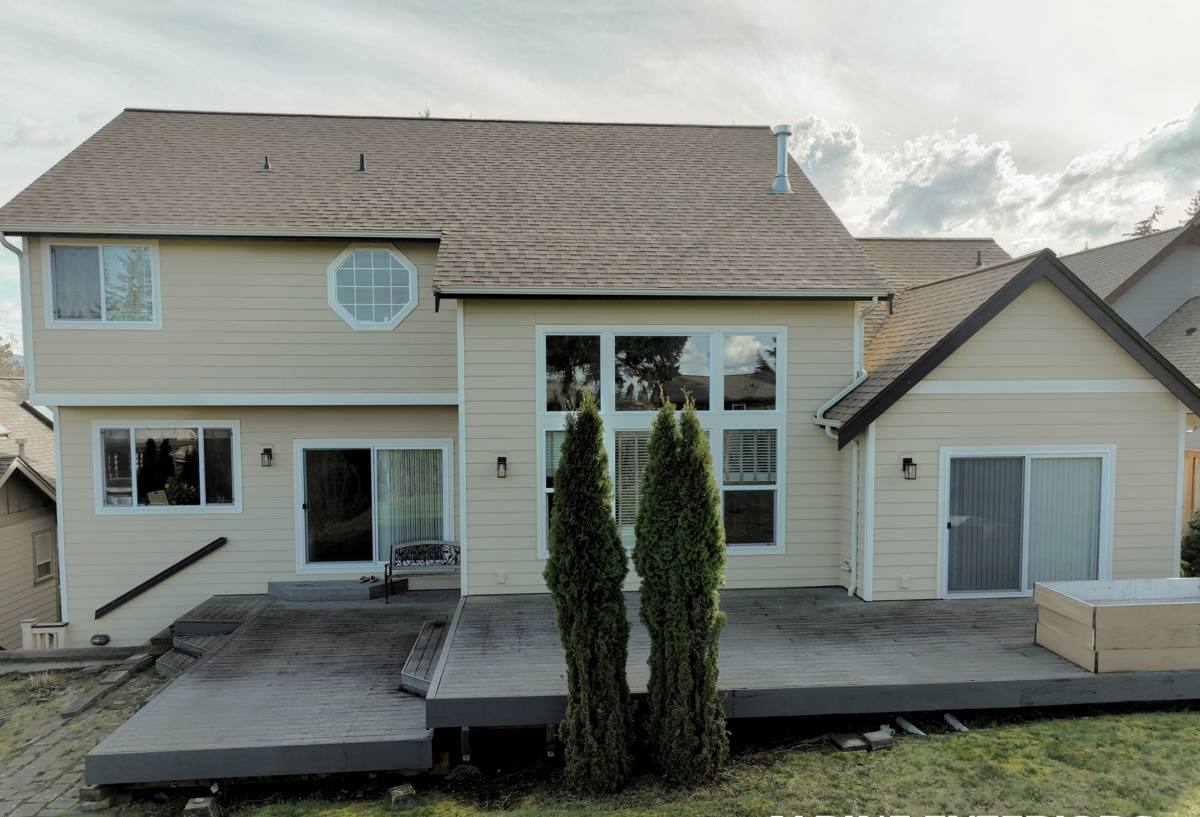
Capitol Hill is one of Seattle's older, denser neighborhoods, and that shows up in the decks we get called out to repair. Many homes here were built decades before today's deck code and flashing standards existed, with decks and porches added or rebuilt over the years by different owners and different contractors. Add in narrow side yards, mature trees overhanging small lots, and a lot of shaded north-facing exposures, and you get decks that hold moisture longer than they would out in the open. Repairing a deck here isn't just about swapping a few boards — it's about understanding how that specific structure has aged under Seattle's climate and Capitol Hill's particular mix of shade, tree cover, and older framing practices.
We work throughout King County, and Capitol Hill decks tend to show a consistent pattern: ledger boards and rim joists that stay damp longest, railings that loosen before the deck surface itself fails, and moss or algae buildup that hides early rot rather than causing it directly. Knowing that pattern is what makes a repair actually hold instead of becoming a temporary patch.
Why Seattle's Climate Is Hard on Decks
Western Washington's combination of near-constant driving rain, long stretches of overcast humidity, and a moss season that can run from fall through spring puts more cumulative moisture stress on exterior wood structures than most homeowners realize. It's rarely one big storm that causes deck damage — it's months of dampness that never fully dries out between rain events.
Salt Air and Coastal Exposure
Seattle's proximity to Puget Sound means a degree of salt-laden air moves through the region, and that accelerates corrosion on fasteners, joist hangers, and any exposed metal hardware. A deck built with standard, non-coated fasteners can see hardware corrosion well before the wood itself is a concern, especially on elevated decks that catch more wind-driven moisture.
Driving Rain and Poor Drainage
Seattle rain often comes in sideways with wind, which pushes water into joints, under flashing, and behind ledger boards that a straight-down rain would never reach. Combined with our long rainy season, this means any gap in flashing or any low spot that holds water gets far more exposure time than the same detail would in a drier climate.
Moss, Algae, and Shade
Capitol Hill's tree canopy and closely spaced houses mean a lot of decks sit in partial or full shade much of the year. That shade keeps surfaces damp longer and creates ideal conditions for moss and algae, which trap moisture against the wood surface and accelerate decay in boards, especially where boards meet joists or where debris collects in gaps.
What a Deck Repair Actually Needs to Address
A proper repair starts with figuring out why a deck failed, not just where it failed. Surface symptoms — soft boards, a wobbly rail, a squeak near the stairs — usually point to a root cause somewhere in the structure below.
- Ledger board attachment to the house, including flashing condition behind it
- Joist and beam condition, especially where boards overlap or where water has pooled
- Post bases and footings, particularly on older decks without proper post-to-concrete separation
- Railing posts and connections, which take ongoing lateral stress from everyday use
- Stair stringer condition, since stairs see concentrated foot traffic and water runoff
- Fastener and hardware corrosion, which can fail quietly before wood damage is visible
- Drainage and grading beneath the deck, which affects how quickly the structure dries out
Skipping any of these and just replacing visible boards is the most common shortcut we see, and it's why some decks need repeat repairs every couple of years instead of one job that actually lasts.
Common Capitol Hill Deck Problems We See
Soft or Spongy Decking Boards
This almost always means moisture has been sitting against or inside the board longer than it should. On shaded Capitol Hill lots, this shows up first in board sections under trees or against the house where airflow is limited.
Loose or Wobbly Railings
Railings take constant stress from people leaning, pushing, and using them for support, and connection points loosen over time — especially on older decks where railing posts weren't through-bolted to the framing. This is also a safety issue we prioritize, since a failing railing is a fall risk, not just a cosmetic one.
Ledger Board and Flashing Failure
Where the deck attaches to the house is the single most common source of hidden rot we find. If flashing was installed incorrectly, or wasn't installed at all on an older addition, water gets behind the ledger and rots both the ledger and the adjacent rim joist — often invisible from the deck surface until the damage is significant.
Moss and Algae Buildup
Beyond being slippery and a slip hazard, moss holds moisture against the wood surface continuously. On heavily shaded lots this can accelerate surface decay years ahead of a similar deck in full sun.
Corroded Fasteners and Hardware
Older decks, or decks repaired previously with mismatched hardware, often show galvanic corrosion where dissimilar metals were used together, or general rust on standard fasteners that weren't rated for exterior, coastal-influenced exposure.
Our Deck Repair Process
We approach every Capitol Hill deck repair the same structured way, because guessing at the cause of a problem is how homeowners end up paying for the same repair twice.
- On-site inspection — we check the ledger, framing, posts, railings, and stairs, probing for soft spots rather than relying on a visual pass alone.
- Root cause diagnosis — we identify whether the issue is a one-time repair or a sign of a broader moisture or drainage problem.
- Written scope and honest pricing — you get a clear explanation of what needs to be replaced, what can be reinforced, and what's optional.
- Repair or replacement of damaged members — matching structural lumber sizing and using corrosion-resistant, coastal-rated fasteners and hardware.
- Flashing and drainage correction — if the ledger or flashing is the underlying issue, we fix that detail rather than just replacing the board in front of it.
- Final check — railings tested for rigidity, stairs checked for level and secure attachment, surface checked for proper drainage slope.
Repair vs. Replacement: How We Decide
Not every deck problem calls for a full rebuild, and not every soft board can be safely patched around. The table below outlines the general factors that push a job toward repair versus full or partial replacement.
| Factor | Favors Repair | Favors Replacement |
|---|---|---|
| Extent of rot | Isolated to a few boards or one framing member | Spread across multiple structural members |
| Ledger/flashing condition | Sound, properly flashed | Missing or failed flashing behind the ledger |
| Age of structure | Newer deck, otherwise well-built | Original deck decades old with cumulative wear |
| Code compliance | Meets current railing and attachment standards | Undersized railings, missing hardware, unpermitted additions |
| Footings/posts | Stable, properly set | Settled, undersized, or resting directly on soil |
We'll always tell you honestly which side of this table your deck falls on, including when a partial repair is genuinely the right call rather than upselling a full rebuild.
Materials and Hardware We Use
Given Seattle's rain exposure and the salt-influenced air near the Sound, we're selective about hardware and fastener choice on every repair. We use corrosion-resistant fasteners and joist hangers rated for exterior and coastal exposure rather than standard interior-grade hardware, since the labor cost of a repair is often higher than the hardware cost — it doesn't make sense to save a few dollars on fasteners that corrode and force the same repair again in a few years. Where decking material is being replaced, we'll walk you through the honest trade-offs between wood species options and composite decking: wood typically costs less upfront but needs more regular maintenance and refinishing in our wet climate, while composite costs more initially but handles constant moisture with less upkeep. Neither is universally right — it depends on your budget, how much maintenance you want to do, and how the deck is used.
What Capitol Hill Homeowners Can Do Between Professional Visits
- Sweep leaves and debris off the deck surface regularly, especially in fall under tree cover
- Keep an eye out for moss forming in shaded corners and remove it before it spreads
- Check railings periodically for any give or looseness, especially after winter storms
- Make sure gutters and downspouts near the deck aren't dumping extra water onto or under it
- Watch for gaps or separation where the deck meets the house siding or trim
- Avoid painting over soft or discolored boards — that hides a problem rather than fixing it
None of this replaces a professional inspection, but catching moss or a loose rail early is what keeps a small maintenance item from becoming a structural repair.
Why Local Experience on Capitol Hill Matters
Capitol Hill's mix of older single-family homes, converted multi-unit buildings, and tightly spaced lots means every deck repair has its own quirks — limited access for equipment, shared property lines, mature trees that can't simply be trimmed back, and framing details from whichever era the deck was actually built or last modified. A crew that already works this neighborhood knows to expect flashing shortcuts on decks added to older homes, understands how tree cover changes a deck's drying pattern, and can work efficiently in tight side-yard or rear-lot conditions common across Seattle's older neighborhoods. That local familiarity means fewer surprises once we open up a deck and a repair plan that fits how your specific home was actually built, not a generic assumption.
If you've got a deck on Capitol Hill showing soft boards, a loose railing, or moss that keeps coming back, we're happy to take a look and give you a straightforward, no-pressure estimate — just fill out the form below.