 Seattle
 Why Shoreline's Climate Is Hard on Siding
Shoreline sits along the edge of Puget Sound in King County, close enough to salt water that homes here take on a different kind of weather than houses further inland. The combination of salt-laden air, driving rain that comes in sideways off the Sound, and a moss season that can stretch from fall through spring puts real, ongoing stress on exterior siding — stress that shows up as premature paint failure, soft spots, and rot long before a homeowner expects to need a replacement.
Salt Air and Marine Exposure
Homes closer to the water pick up fine salt particles carried on the wind. Over years, that salt settles into siding seams, fastener heads, and painted surfaces, accelerating corrosion of metal fasteners and breaking down lower-quality coatings faster than the same product would wear in a drier, inland climate. Siding material and fastener choice both matter more here than they would in most parts of the country.
Driving Rain and Wind-Driven Moisture
Seattle's rain isn't usually torrential, but it's frequent, and wind off the Sound pushes it sideways into wall assemblies rather than letting it run straight down. That means siding, flashing, and the water-resistive barrier behind it have to work together as a system — a small gap or a poorly lapped seam that would be a non-issue in a calmer climate becomes a path for water intrusion in Shoreline.
The Long Moss and Mildew Season
Shade, moisture, and mild temperatures are exactly what moss and mildew need to thrive, and Shoreline's tree cover combined with its wet months gives both plenty of time to establish themselves on north-facing walls and anywhere airflow is limited. Once moss gets a foothold on siding, it holds moisture against the surface, which is exactly the condition that leads to rot underneath, and it tends to come back within a season or two if the underlying siding and drainage aren't right to begin with.
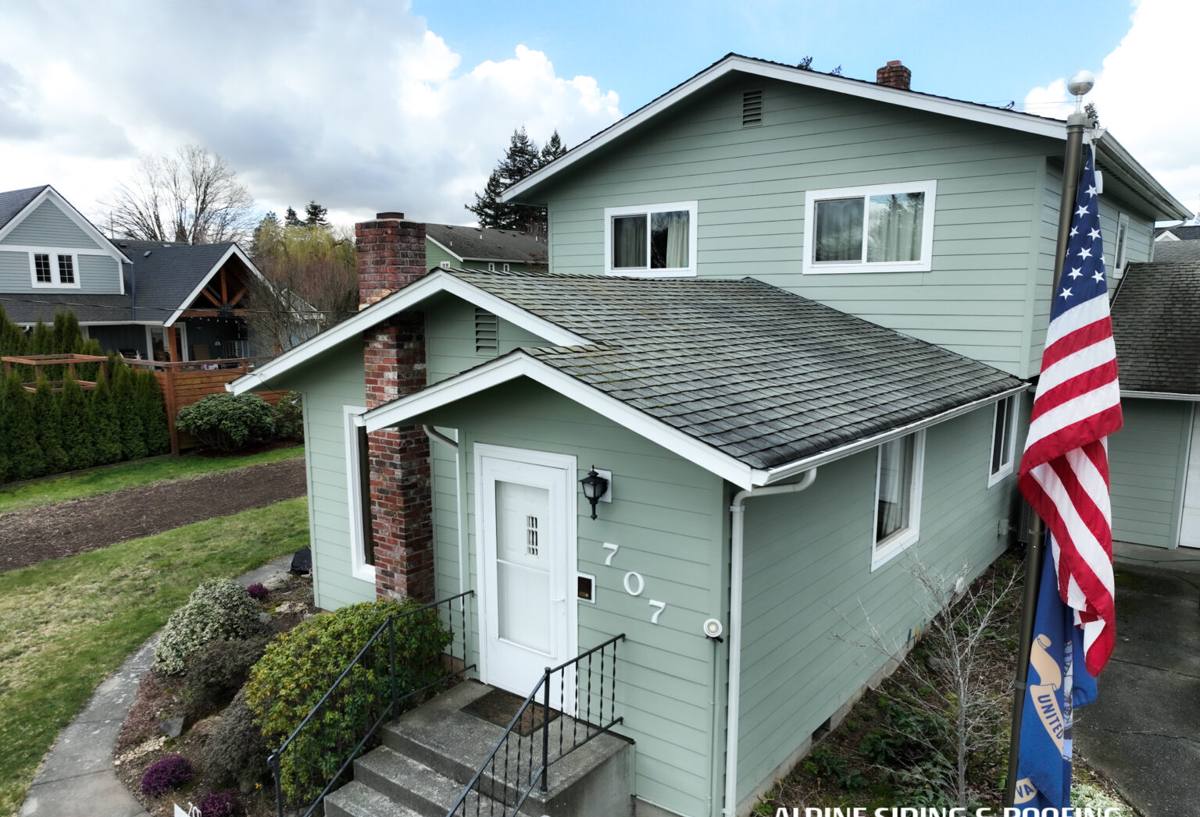
Signs a Shoreline Home Needs Siding Replacement
Not every siding problem calls for a full replacement — some are cosmetic, some are localized repairs. But certain signs point to the kind of underlying moisture or material failure that repair alone won't fix.
- Soft, spongy, or visibly bowed siding panels, especially near the ground or under windows
- Paint that's peeling, bubbling, or needing repainting more often than every 8-10 years
- Persistent moss or dark staining that returns within months of cleaning
- Visible gaps, cracking, or warping at seams and corners
- Rising interior humidity, musty smells, or bubbling interior paint near exterior walls
- Siding that's original to a home built more than 25-30 years ago, particularly wood or older composite products
When Repair Makes Sense Instead
A cracked panel here or there, or a small area of failed caulking, doesn't automatically mean the whole house needs new siding. The distinction usually comes down to whether the problem is isolated to the surface or has already reached the sheathing underneath. That's something worth having a professional actually check rather than guessing from the curb, since the cost difference between a repair and a full replacement is significant.
What a Correct Siding Replacement Job Involves
Tear-Off and Sheathing Inspection
A proper replacement starts with removing the old siding down to the sheathing, not installing new material over old. This is the only way to actually find and address hidden rot, and it's a step some lower-cost bids skip. In a climate like Shoreline's, hidden moisture damage behind old siding is common enough that skipping this inspection is a real risk, not a formality.
Water-Resistive Barrier and Flashing
Once the sheathing is exposed and repaired if needed, a new weather-resistive barrier goes on, along with new flashing at every window, door, and penetration. Given how much wind-driven rain the area sees, correct flashing detail — not just a barrier behind the siding — is what actually keeps water out of the wall assembly.
Fastening and Coursing to Manufacturer Spec
Fiber cement siding has specific fastener spacing, nail penetration depth, and gapping requirements that vary by product line. Installing it outside those specs is one of the most common ways a correct product ends up with an incorrect, warranty-voiding installation. This is where the installing crew matters as much as the material itself, since the product can only perform to spec if it's put on to spec.
Why We Install Only James Hardie Fiber Cement
We don't install vinyl, LP SmartSide, or bare wood siding, and it's a deliberate standard rather than a limitation on what we're capable of installing. In a climate that combines salt air, sustained rain, and a long moss season, the trade-offs of those products show up faster and more visibly than they would somewhere drier.
| Consideration | Vinyl / Engineered Wood | James Hardie Fiber Cement |
|---|---|---|
| Moisture and rot resistance | Engineered wood products can swell or delaminate if moisture reaches the core | Non-combustible cement composite that doesn't rot or absorb moisture the way wood-based products can |
| Moss and mildew resistance | Surface can hold organic growth, especially in shaded, damp areas | Factory-applied ColorPlus finish resists moss and mildew buildup better than field-applied paint |
| Salt air durability | Vinyl can become brittle over time; coatings on engineered wood can wear unevenly | Engineered for coastal and marine climates in Hardie's HZ5 product line |
| Maintenance | Repainting cycles and seam or caulk upkeep add up over the years | Factory finish is designed to hold color and resist fading well before repainting is needed |
| Warranty | Varies widely by product and manufacturer | Strong transferable manufacturer warranty backing the product |
None of this means other siding products are inherently bad — plenty of them perform reasonably well in the right conditions. But given what Shoreline's climate does to exterior materials over a 20-30 year window, we'd rather install one product correctly than offer several and let cost be the deciding factor. That standardization also means our crews install this product day in and day out, rather than switching techniques between jobs.
Our Siding Replacement Process
The process is the same discipline on every Shoreline home we work on, regardless of size or style:
- On-site inspection of existing siding, trim, and visible signs of moisture damage
- Written estimate detailing scope, product line, color, and trim work
- Full tear-off of old siding and inspection of sheathing underneath
- Repair of any rotted or compromised sheathing before new material goes on
- Installation of new water-resistive barrier and flashing at all penetrations
- Installation of James Hardie panels or lap siding to manufacturer fastening spec
- Final walkthrough covering trim, caulking, and finish details
Cost Factors for Shoreline Siding Replacement
Every home is different, but the same handful of factors drive most of the cost variation we see on Shoreline projects.
| Factor | Why It Matters |
|---|---|
| Square footage and home height | More surface area and multi-story access both add labor time |
| Condition of existing sheathing | Hidden rot found during tear-off requires repair before new siding goes on |
| Trim and architectural detail | Homes with more corners, dormers, and trim take longer to fit and finish |
| Siding profile and color | Panel vs. lap siding and custom ColorPlus finishes affect material cost |
| Accessory work | Replacing trim, house wrap, or flashing beyond the base bid adds scope |
We won't quote a number without seeing the home, but we're happy to walk through these factors during an estimate so there aren't surprises once the work starts.
Why Hiring a Crew That Already Works in Shoreline Matters
A crew that regularly works in Shoreline and the surrounding King County communities has already seen how the local climate plays out on real homes — which walls take the worst of the wind-driven rain, where moss tends to establish first, and how older homes in the area were originally built and flashed. That familiarity shows up in fewer surprises during tear-off and a more accurate estimate up front, rather than change orders once the old siding comes off.
What to Check Before You Hire
Ask any contractor bidding the job for proof of licensing and insurance, a written scope that specifies the exact product line and fastening method, and references from work done in similarly wet, coastal-influenced neighborhoods. A bid that's noticeably lower than others is worth a second look — it often means a step like tear-off inspection or proper flashing is being skipped to hit that number.
Living With New Siding Through Seattle's Wet Seasons
Correctly installed Hardie siding needs very little from a homeowner, but a few habits help it perform the way it's designed to over the long run: keeping gutters clear so water doesn't run down the face of the siding, trimming back vegetation that shades and dampens exterior walls, and doing a periodic rinse to keep organic growth from establishing in the first place. None of this is heavy maintenance — it's the kind of upkeep that protects the investment rather than reacting to a problem after the fact.
If you're seeing early signs of siding wear on a Shoreline home, or you're planning ahead of a project, we're glad to walk the exterior with you and give you a straightforward, no-pressure estimate — no obligation, just an honest look at what your home actually needs.