 Seattle
 Deck Replacement Built for Magnolia's Waterfront Conditions
Magnolia sits up on a bluff above Puget Sound, and that position is exactly what makes decks here wear differently than decks a few miles inland. Homes on or near the bluff get more direct wind, more salt-laden air coming off the water, and often more exposure to driving rain that blows in sideways rather than falling straight down. Add in Seattle's long, wet moss season, and you have a combination that ages an ordinary deck faster than most homeowners expect. When we replace a deck in Magnolia, we're not just swapping old boards for new ones — we're building for the specific way this neighborhood's climate attacks wood, fasteners, and framing.
This page covers what a Magnolia deck replacement should actually involve: why decks fail here, what a correct rebuild looks like below the surface, how to choose materials that hold up, and what our process looks like from first visit to final walkthrough.
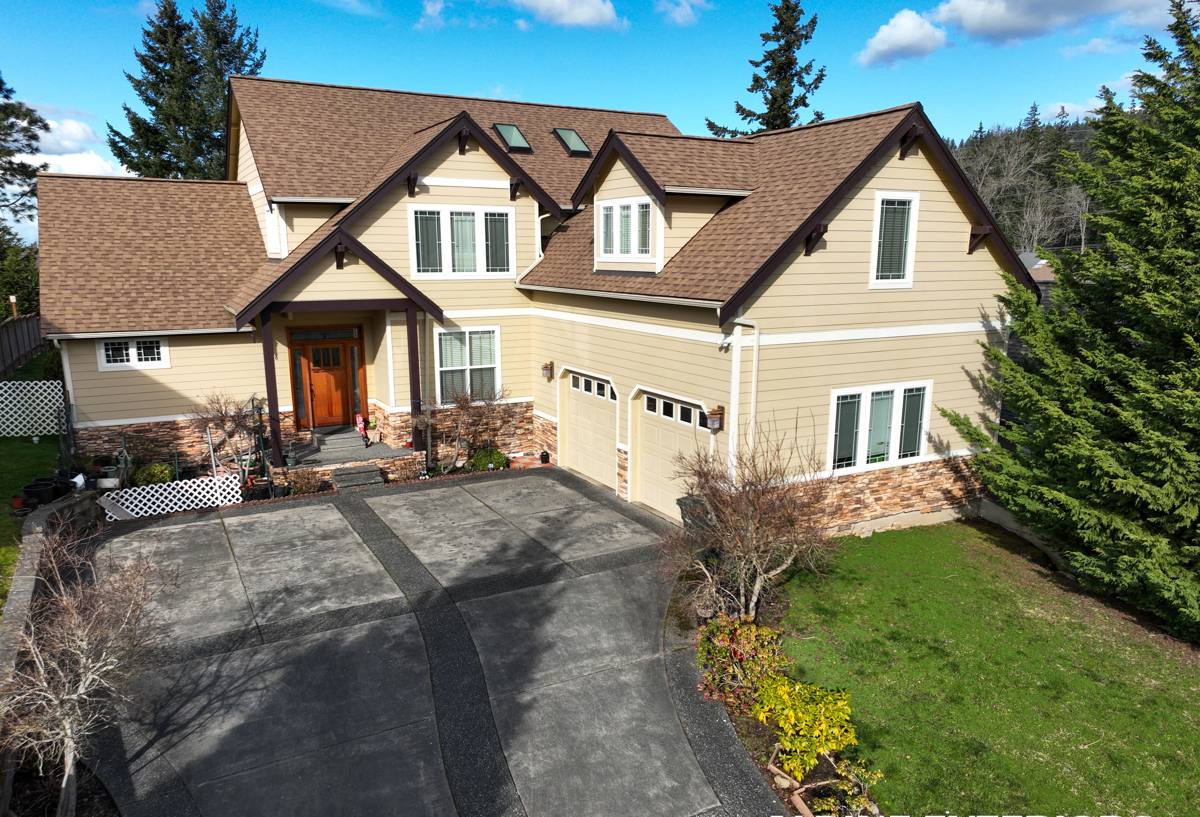
Why Magnolia Decks Wear Out Faster
A handful of local conditions combine to shorten deck lifespan in this part of Seattle:
Salt Air and Corrosion
Proximity to Puget Sound means airborne salt settles on exposed surfaces, including fasteners, flashing, and metal connectors. Ordinary galvanized hardware can start corroding years before it would inland, and once a nail or bracket rusts, it loses holding strength long before it looks obviously bad from the surface.
Driving Rain and Wind-Driven Moisture
Bluff-top and view lots catch more wind, and wind-driven rain gets pushed into places a calmer rain never would — under railings, behind ledger boards, into end-grain cuts. That moisture doesn't just sit on top of the deck; it works into joints and connection points where rot starts invisibly.
Moss, Algae, and Shade
King County's long wet season keeps deck surfaces damp for months at a time, and shaded or north-facing decks barely get a chance to dry out between rains. Moss and algae hold moisture against the wood surface, and on stairs or ramps they also create a slip hazard that's easy to underestimate until someone actually falls.
Temperature Swings and UV
Open, view-oriented decks get full sun exposure in summer and near-constant damp in winter. That repeated wet-dry, hot-cold cycle is hard on wood fibers and on the finishes meant to protect them, which is part of why refinishing alone often isn't enough once a deck passes a certain age.
Signs Your Deck Needs Replacement, Not Just Repair
Not every aging deck needs a full teardown. But certain signs mean patching individual boards is a waste of money because the structure underneath is compromised.
- Soft, spongy, or springy spots when you walk across the deck
- Visible rot, splitting, or crumbling at the ledger board (where the deck attaches to the house)
- Rusted, loose, or missing joist hangers and fasteners
- Railings that wiggle or flex under hand pressure
- Persistent moss or algae that returns within weeks of cleaning
- Gaps that have widened significantly between boards, or boards that have cupped or warped
- A deck older than 15-20 years that has never had the substructure inspected
- Standing water that doesn't drain away within an hour or two of rain stopping
If you're seeing two or more of these, it's worth having someone look at the framing, not just the decking boards. A deck can look fine on top and still have a ledger connection that's failing underneath — that's the failure mode that actually causes injuries.
What a Correct Deck Replacement Actually Involves
A deck replacement done right goes well beyond removing old boards and screwing down new ones. The parts that matter most are the parts you don't see once the project is finished.
Ledger Board and Flashing
The ledger board, where the deck bolts to the house, is the single most common source of catastrophic deck failure nationwide, and it's a bigger risk here given how much moisture Magnolia's climate pushes at exterior walls. Correct flashing at this connection — installed so water sheds away from the house rather than behind the ledger — is non-negotiable, not optional trim work.
Footings and Framing
Footings need to sit below frost depth and bear on solid, undisturbed soil. Joists and beams need to be sized for the actual span and load, not just whatever was there before. If a deck was built decades ago under older code, replacement is the right time to bring the structure up to current standards rather than reproducing the same undersized framing.
Fasteners and Hardware
Given the salt exposure this neighborhood sees, we use fasteners and connectors rated for corrosion resistance — stainless steel or heavy-duty coated hardware in the areas most exposed to moisture and salt air, rather than standard galvanized fasteners that were never intended for a marine-influenced environment.
Drainage and Airflow
Proper joist spacing, gapping between boards, and grading underneath the deck all affect how quickly it dries out after rain. A deck that can't shed water and dry between storms will grow moss and rot faster no matter what decking material sits on top.
Choosing the Right Decking Material for Magnolia
There's no single "best" decking material — the right choice depends on how much maintenance you want to do, your budget, and how exposed your specific deck is to sun, wind, and moisture. Here's an honest comparison of the main options we install.
| Material | Upfront Cost | Maintenance | Moisture & Moss Resistance | Typical Lifespan |
|---|---|---|---|---|
| Pressure-treated wood | Lowest | Annual cleaning, periodic sealing/staining | Moderate — needs upkeep to stay ahead of moss and moisture | 10-15 years |
| Cedar | Moderate | Regular sealing to maintain color and resist moisture | Naturally moisture-resistant, but surface still needs care in wet shade | 15-20 years |
| Capped composite | Higher | Occasional washing, no staining or sealing | Strong — capped surface resists moisture absorption and moss staining | 25-30+ years |
| PVC decking | Highest | Minimal — periodic washing only | Excellent — fully synthetic, doesn't absorb water | 25-30+ years |
For shaded, north-facing, or heavily wind-exposed decks in Magnolia, we generally steer homeowners toward capped composite or PVC, simply because the maintenance burden of a wood deck in a persistently damp microclimate is real — it's not a knock on wood as a material, it's a matter of how much time you want to spend cleaning and resealing every year. For sunnier, more sheltered lots, cedar or quality pressure-treated wood can still make sense, especially if you enjoy the upkeep and the traditional look.
Railings and Fasteners Matter as Much as Decking
Homeowners often focus on decking boards and overlook railings, which take direct wind load on exposed Magnolia lots and are a common point of loosening over time. We match railing hardware and post connections to the same corrosion-resistance standard as the rest of the structure, since a railing failure is a safety issue, not just a cosmetic one.
Our Deck Replacement Process
- On-site assessment. We inspect the existing deck, including the ledger connection and any accessible framing, to determine the actual scope — sometimes what looks like a full replacement can be partially salvaged, and sometimes a deck that looks fine on top needs a full rebuild underneath.
- Honest scope and estimate. You get a clear breakdown of what's being replaced, what materials are being used, and why — no vague allowances or surprise change orders for things we could have identified upfront.
- Permitting. Most deck replacements in Seattle require a permit, especially when structural elements are involved. We handle the permit process so it's not left on your plate.
- Demolition and disposal. Old decking, railings, and compromised framing are removed and hauled away.
- Structural rebuild. Footings, framing, ledger flashing, and hardware are installed to current code, sized for the actual deck and its exposure.
- Decking, railing, and finish work. Your chosen decking material and railing system go on, with attention to fastener patterns, gapping, and drainage.
- Final walkthrough. We go over the finished deck with you, including basic care and what to watch for over the first year.
Permits and Code Considerations
Deck replacement projects in Seattle generally require a building permit when the work involves structural changes, which most full replacements do. Permitting exists to make sure footings, framing, and ledger connections meet current safety standards — it's not just paperwork. Skipping permits on a deck rebuild can create real problems later, from difficulty selling the home to liability questions if something fails. We factor permitting time into our project timelines from the start so it doesn't come as a surprise partway through.
Cost Factors Homeowners Should Understand
Deck replacement costs vary widely based on size, material, structural condition, and site access, so we don't quote broad numbers without seeing the job. That said, these are the factors that move the price most:
- Deck size and shape (multiple levels, angles, and curves add labor)
- Decking material chosen (wood versus composite versus PVC)
- Condition of existing footings and framing — whether they can be reused or need full replacement
- Height above grade and whether stairs or additional railings are involved
- Site access for equipment and material delivery, which can be limited on bluff-adjacent or view lots
- Permit requirements based on scope
We walk through these factors with you during the estimate so you understand exactly what's driving the number, rather than handing over a flat quote with no explanation behind it.
Why a Crew That Already Works Magnolia Matters
A deck replacement isn't just a materials decision — it's a judgment call about how much a specific site's wind, moisture, and salt exposure should influence fastener choice, flashing detail, and material selection. A crew that regularly works on King County's bluff and waterfront-adjacent neighborhoods has already seen how decks fail here specifically, not just how they fail in a textbook. That local pattern recognition is what keeps a new deck from repeating the same rot and corrosion problems the old one had, just on a five- or ten-year delay instead of showing up immediately.
If your Magnolia deck is showing signs of wear, or you're just not sure whether it needs repair or full replacement, we're happy to take a look. Reach out for a free, no-pressure estimate using the form below — we'll give you a straight assessment of what your deck actually needs.