 Seattle
 Green Lake's Tree Canopy Is Tougher on Decks Than People Expect
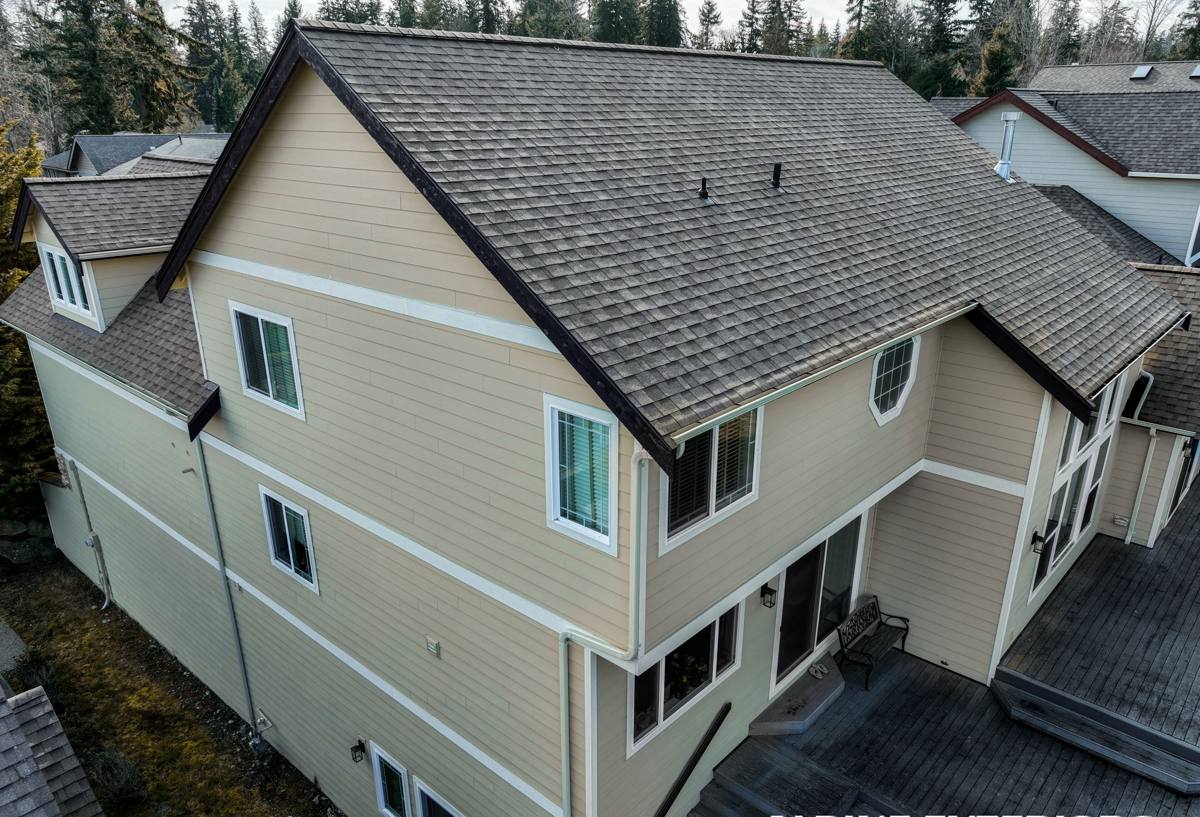
Green Lake is one of the shadiest, greenest residential pockets in Seattle, and that's exactly what makes it a hard place to keep a deck in good shape. Mature maples, firs, and cedars ring the lake and spill into the surrounding blocks, and most homes here sit under some amount of tree cover for a good part of the day. Shade keeps a deck damp long after the rain stops. Add Seattle's normal wet-season stretch of low clouds and drizzle, and a deck surface here can stay wet for days at a time instead of drying out between storms like it would in a sunnier yard.
That combination — shade, moisture, and heavy leaf and needle drop — is the recipe for moss, algae, and slow wood decay. It's not unique to Green Lake, but the tree cover in this neighborhood makes it more of a factor here than in more open parts of King County. A deck built without that in mind will look fine the first summer and start showing green streaks, soft spots, and slick boards within a couple of wet seasons.
What a Deck in This Neighborhood Actually Needs
None of this means you can't have a great deck near Green Lake — it means the build has to account for moisture that doesn't leave in a hurry. A few things matter more here than they would in a drier, sunnier yard:
- Decking material that tolerates standing moisture and doesn't wick water at the board ends
- Wide enough gaps between boards so debris and water can pass through instead of pooling
- Joist framing that's protected from trapped moisture underneath the deck surface
- Stainless or coated fasteners that won't corrode or streak the decking over time
- A structure that lets air move underneath instead of sitting sealed against damp ground
Skip any one of these and the deck can still look good going in. The problems show up two or three years later, usually as soft joists, rusted fastener heads, or a surface that's slippery half the year.
Choosing Decking Material for a Shaded, Wet Yard
There's no single "best" decking material — there's a best fit for your yard, your budget, and how much upkeep you want to do. In a tree-covered lot near Green Lake, the trade-offs shift a bit compared to a full-sun yard elsewhere in the city.
| Material | How it handles shade and moisture | Upkeep | Rough lifespan |
|---|---|---|---|
| Pressure-treated wood | Needs to dry out fully between rains or it holds moisture and grows moss faster than in sun | Annual cleaning and periodic sealing | 10-15 years with upkeep |
| Cedar | Naturally more rot-resistant, but still needs airflow and cleaning in shaded spots | Cleaning and re-oiling every 1-2 years | 15-20 years with upkeep |
| Capped composite | Handles standing moisture well; the cap resists moss staining better than raw wood | Occasional washing, no sealing | 25+ years |
| PVC/capstock decking | Doesn't absorb water at all, best option for the shadiest, wettest corners of a lot | Occasional washing | 25+ years |
We're honest with clients that real wood still has a place — it's less expensive up front and a lot of people simply like the look and feel of it. But in a heavily shaded Green Lake yard, we'll tell you straight if we think a composite or capped board is going to save you money and hassle over the life of the deck, rather than push whatever has the best margin. That's a professional judgment call based on maintenance burden and moisture behavior, not a knock on wood as a material.
A Note on Fasteners and Hardware
In a damp, shaded yard, hardware corrodes faster than most homeowners expect. We use fasteners and structural connectors rated for exterior, ground-contact, or coastal-grade exposure depending on the application — not because Green Lake is a saltwater environment, but because prolonged dampness is hard on standard hardware in the same way salt air is elsewhere in the region. Cutting corners here shows up as rust streaks and loosened boards long before the decking itself fails.
The Structural Work Nobody Notices — Until It Fails
A deck's surface is the part you see, but the framing underneath is what determines whether it's safe and how long it lasts. That means correctly sized footings for our soil conditions, joists spaced and sized for the actual load and span, a ledger board properly flashed and bolted to the house (not just nailed), and structural connectors at every joist and post rated for the job. In a shaded, damp lot, we also pay close attention to keeping the framing ventilated — a deck built low to the ground with no airflow underneath will trap moisture against the joists no matter how good the surface material is.
This is also where a lot of older decks around Green Lake fall short. Many homes in this neighborhood are older craftsman or bungalow-era houses with decks added or rebuilt over the years, sometimes without a permit or to an older code standard. When we're asked to repair or extend an existing deck, we check the framing first — there's no point putting new boards on top of a structure that isn't sound.
Permits and Code Requirements
Most new decks and many deck rebuilds in Seattle require a permit, and code requirements cover things like guardrail height, stair geometry, footing depth, and ledger attachment. Requirements can vary depending on your lot, whether you're near a environmentally critical area, and the size and height of the deck. We handle the permit process as part of the job rather than leaving it to the homeowner, and we won't build a deck to a lower standard than what code requires just to save time.
Our Process for a Green Lake Deck Build
- Site visit: We look at sun and shade patterns, tree drip lines, existing drainage, and how the deck will tie into the house before we talk materials.
- Design and material selection: We walk through the honest trade-offs between wood and composite options for your specific spot on the lot, not a one-size-fits-all pitch.
- Permit and planning: We prepare and submit what the project needs and confirm the plan meets current code.
- Build: Footings, framing, flashing, decking, and railings, in that order, with inspections at the required stages.
- Final walkthrough: We go over the finished deck with you, including a realistic maintenance schedule for your specific yard and tree cover.
Living With the Deck: Maintenance in a Shaded, Wet Yard
A well-built deck near Green Lake still needs regular upkeep — the tree canopy that makes the neighborhood pleasant is the same thing that keeps the deck damp longer than a deck in an open, sunny yard. A simple seasonal routine goes a long way:
- Sweep leaves and needles off the deck regularly, especially in fall, so debris doesn't trap moisture between boards
- Check the gaps between boards once or twice a year and clear out packed debris
- Wash the surface to remove moss and algae before it gets a foothold, rather than after it's established
- Re-seal or re-oil wood decking on the schedule the material calls for — don't wait until it looks dry, since shaded wood can look fine and still be absorbing water
- Check underneath the deck once a year for standing moisture, soft framing, or signs of pests
None of this is complicated, but it's easy to let slide, and shaded decks punish neglect faster than decks in full sun.
Why Hire a Crew That Already Works in Green Lake
Every King County neighborhood has its quirks, and Green Lake's are pretty specific: mature tree cover, older housing stock with decks that have been modified over decades, and lots that can be tighter than newer subdivisions elsewhere in the city. A crew that already works in this neighborhood knows what to check on an older deck before touching it, has a feel for how much shade a given lot actually gets through the year, and isn't guessing at how the local permitting process handles these projects. That local familiarity translates into fewer surprises mid-project and a deck that's actually built for the yard it sits in, not a generic template.
If you're thinking about a new deck or need an honest read on whether an existing one is worth repairing versus rebuilding, we're happy to come take a look. Estimates are free, there's no pressure, and we'll tell you plainly what your yard and your budget actually call for.