 Seattle
 Why Green Lake Roofs Wear Differently Than You'd Expect
Green Lake is one of the shadier, greener pockets of Seattle, and that's exactly why roofs here take a different kind of beating than roofs in more exposed parts of King County. The tree canopy around the lake keeps roof surfaces damp longer after every rain, which matters a lot when you're this close to Puget Sound and dealing with salt-tinged marine air on top of it. Add in driving rain that comes sideways during fall and winter storms, and a moss season that can realistically run from October through April, and you've got a roof that's fighting moisture almost year-round instead of drying out between weather events.
None of that means Green Lake roofs are doomed — it means they need repair work that actually accounts for shade, moisture retention, and salt exposure, not a generic patch job. That's the difference between a repair that lasts a few years and one that lasts through the roof's remaining service life.
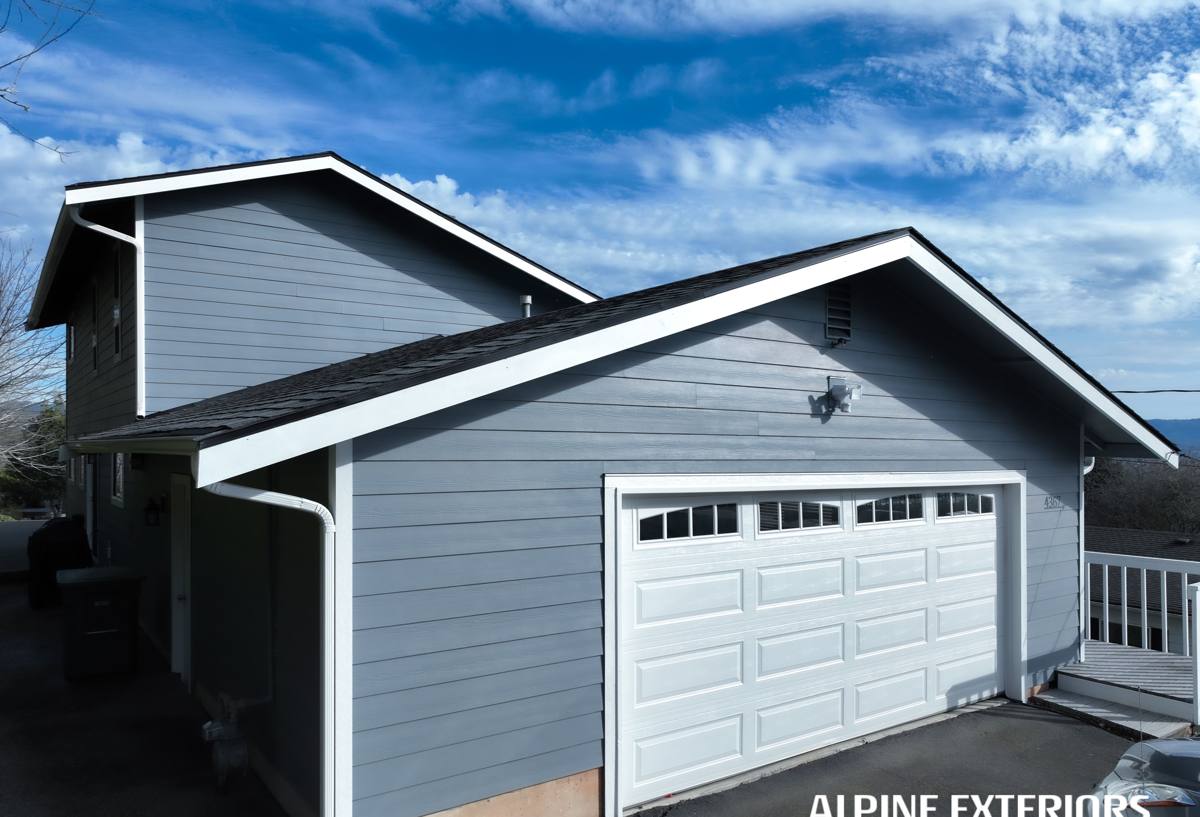
The Telltale Signs Your Roof Needs Attention
Most roof problems don't announce themselves with a dramatic leak. They show up as small, easy-to-ignore signals first. If you own a home near Green Lake, it's worth checking for these each fall before the rain really sets in:
- Moss mats forming on north-facing or shaded slopes, especially anywhere tree cover blocks afternoon sun
- Granules collecting in gutters or at downspout outlets, which signals accelerated shingle wear
- Shingles that are curling, lifting at the edges, or visibly cracked
- Dark streaking across the roof surface, which is usually algae rather than dirt
- Water stains on ceilings or in the attic, even faint or old-looking ones
- Daylight visible through the roof deck when you look up from inside the attic
- Sagging along valleys or ridgelines
- Rusted, lifted, or cracked flashing around chimneys, skylights, and vent pipes
Any one of these on its own might just mean routine maintenance. Several at once, or any sign paired with an actual leak, usually means it's time for a proper inspection.
What's Actually Causing the Damage
It helps to understand not just what you're seeing, but why it's happening on a Green Lake roof specifically. The causes here are fairly consistent from house to house because the neighborhood's tree cover and proximity to the water affect every roof in a similar way.
| Issue | Likely Cause in Green Lake | Why It Matters |
|---|---|---|
| Moss buildup | Shade from mature trees plus moisture that doesn't evaporate quickly | Moss holds water against the roof deck and lifts shingles as it grows, opening a path for leaks |
| Granule loss | Age combined with the impact of driving, wind-driven rain | Fewer granules means less UV and water protection on the shingle surface |
| Flashing failure | Metal fatigue, temperature swings, and repeated wind-driven rain at joints | Flashing failures are one of the most common sources of leaks around chimneys, valleys, and skylights |
| Gutter and downspout clogging | Leaf and needle debris from the surrounding tree canopy | Overflow saturates fascia boards and soffits, which can rot even when the roof deck itself is fine |
| Soft or spongy decking | Prolonged, repeated moisture intrusion under damaged shingles | This is a structural concern, not a cosmetic one, and it changes the scope of the repair |
What a Correct Roof Repair Actually Involves
A repair that just covers the visible problem area often misses what caused it in the first place. On a Green Lake home, that usually means checking more than the patch of shingles that's obviously damaged.
A thorough repair includes a full inspection of the surrounding area, not just the spot that's leaking or missing shingles. It means checking the decking underneath for softness or rot, since moisture rarely stays confined to one shingle. It means examining flashing at every penetration point — chimneys, skylights, vent pipes, and valleys — because flashing failure is often the real source of a leak that shows up somewhere else entirely. And it means confirming that attic ventilation is working correctly, since poor airflow traps moisture from the inside and accelerates the exact damage you're trying to repair from the outside.
Moss Removal Done the Right Way
Moss is one of the most common repair triggers we see in this neighborhood, and it's also one of the most commonly mishandled. Pressure washing moss off a roof can drive water under the shingles and strip granules, which trades one problem for a worse one. Our standard is to remove moss manually or with a low-pressure treatment, clear the debris that's trapping moisture underneath, and then evaluate whether zinc or copper control strips make sense as a preventive measure going forward. Those strips help slow future regrowth — they're not a cure, and we won't tell you they'll solve a moss problem permanently, because they don't.
Our Repair Process, Start to Finish
- On-site inspection. We look at the roof itself, the attic from the inside, and the gutters, since all three tell part of the story.
- Written assessment. You get a clear explanation of what's actually wrong, what's causing it, and what repair options make sense — in plain language, not a sales pitch.
- Scheduling around the weather. Seattle's wet season limits the windows for dry work, so we plan repair timing to avoid trapping moisture under new materials.
- The repair itself. Matched materials, correct flashing detail, and decking replacement where needed — not just a shingle swap over a hidden problem.
- Cleanup. Old materials, debris, and moss removal waste hauled off the property.
- Final walkthrough. We show you what was done and what to watch for going forward.
Repair or Replace? How We Help You Decide
Not every damaged roof needs to be replaced, and not every repair is worth doing if the roof is near the end of its service life. We'll always give you an honest read on which side of that line your roof falls on.
| Factor | Leans Toward Repair | Leans Toward Replacement |
|---|---|---|
| Roof age | Well under the manufacturer's expected service life | At or past the age where the material is generally expected to wear out |
| Extent of damage | Isolated to one section, slope, or flashing point | Spread across multiple slopes or recurring in several areas |
| Decking condition | Solid and dry beneath the damaged area | Soft or delaminating in more than one spot |
| Moss and algae history | First significant occurrence, addressed early | Recurring damage despite prior repairs and cleaning |
| Your budget goals | Near-term fix while planning for future replacement | Ready to invest once for a longer-term solution |
We'll walk through where your roof lands on each of these before recommending anything, and we'd rather tell you a repair will hold for several more years than talk you into a replacement you don't need yet.
Materials and Methods We Use — and Why
Wherever possible, we match your existing shingle type, profile, and color so the repair blends in rather than standing out as a patch. For underlayment and flashing, we hold to a standard that accounts for the amount of driving rain this area sees — that means proper ice-and-water shield at eaves and valleys, and flashing metal that's built to hold up to repeated wind-driven moisture rather than the minimum that will pass inspection.
We're also straightforward about trade-offs. Some lower-cost flashing materials are more sensitive to installation error and tend to fail sooner in a climate with this much sustained moisture — that's a maintenance and longevity issue, not a claim that any particular product is defective. Our standard is to use materials and methods that hold up to Green Lake's specific conditions, even when that costs a little more up front than the bare minimum.
Why It Matters to Hire a Crew That Already Works in Green Lake
Roofing crews that mostly work in drier, more exposed parts of the region don't always account for how much shade and moisture retention change the math on a Green Lake roof. A crew that already works this neighborhood knows which slopes tend to hold moss, how the tree canopy around the lake affects drying time, and how the mix of older and newer homes in the area translates into different roof pitches and repair approaches.
There's also a practical side to local familiarity: knowing Seattle and King County permitting expectations for roof work, and being able to respond quickly when a storm causes damage rather than scheduling you in behind jobs across the entire metro area.
Protecting Your Repair Between Visits
A good repair buys you years, but a little seasonal upkeep buys you more. These are the habits that make the biggest difference for homes in this neighborhood:
- Clear gutters and downspouts each fall before the heavy rain sets in
- Trim back tree limbs that overhang the roof to reduce shade and debris buildup
- Check attic ventilation periodically, since blocked vents trap moisture from the inside
- Plan on a moss inspection every year or two, especially on shaded slopes
- Address small leaks or lifted shingles right away rather than waiting for the next dry stretch
If you're noticing any of the warning signs above, or it's just been a while since your roof was looked at, we're happy to come take a look. The estimate is free, there's no pressure attached to it, and you'll get a straight answer about what your roof actually needs — you can get started with the form below.