 Seattle
 Building New in Green Lake? Get the Windows Right the First Time
New construction is the one point in a home's life where window installation can be done exactly to spec, with the wall open and every flashing layer visible before it gets covered up. In Green Lake, where the lake itself, the tree canopy, and Seattle's long wet season all add moisture to the equation, that first installation matters more than it does in a drier climate. Get it right during framing and the windows will perform for decades. Get it wrong and you're chasing leaks, fogged glass, and rot behind the trim within a few winters.
We work new-construction and major-remodel window installs across Seattle and King County, and Green Lake is one of the neighborhoods we're in regularly — enough that we know how local builders frame openings, what inspectors here tend to flag, and where the lake's humidity and the neighborhood's mature tree cover push us to be more careful than a generic install would call for.
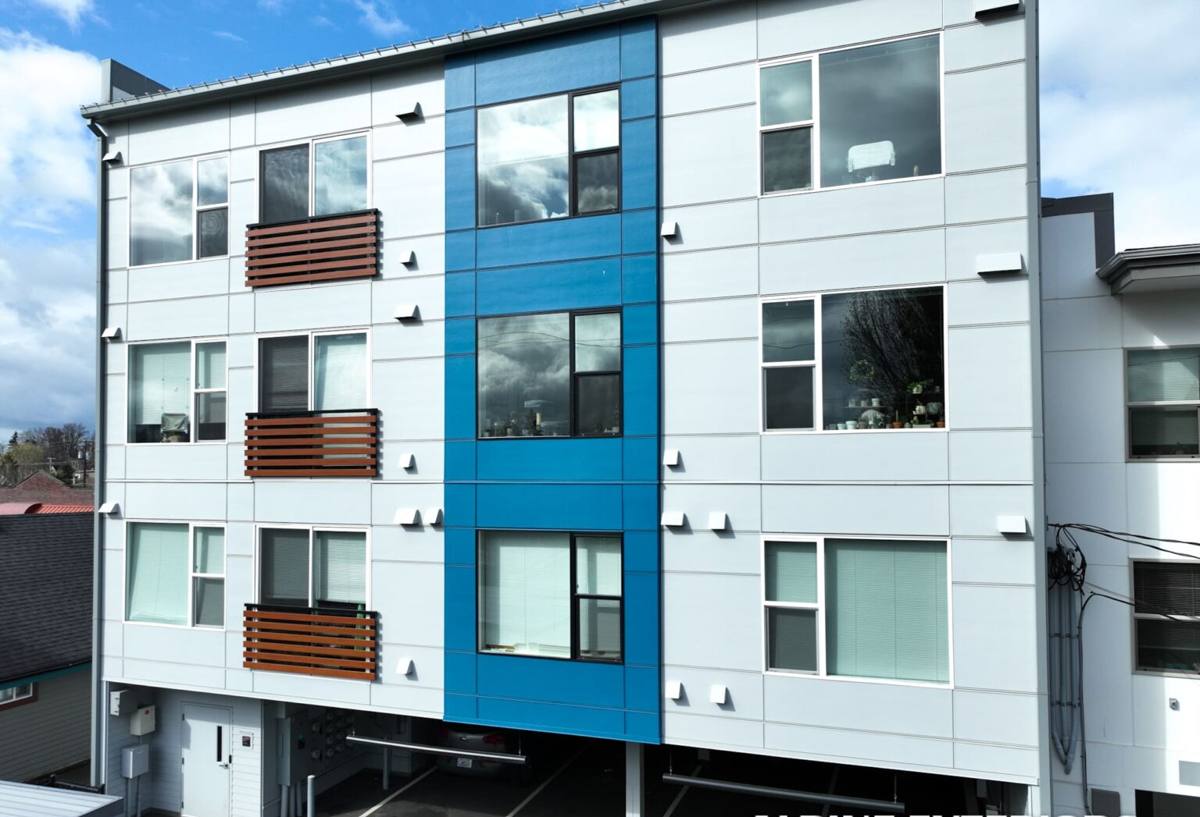
Why Green Lake's Climate Changes the Window Job
Green Lake sits inland from Puget Sound, but it's still a Pacific Northwest lake-and-lowland environment: high ambient humidity off the water, dense shade from mature trees on many lots, and the same driving rain and long moss season that affects the rest of the Seattle basin. None of that is exotic, but it does change what "correct" looks like for a new window opening.
Moisture load, not just rainfall
A lot of homeowners think about rain volume. The bigger issue around the lake is how long surfaces stay damp. Shaded, humid lots dry out slower after a storm, which means any gap in the water-resistive barrier or flashing has more time to do damage before anyone notices. New construction gives us the chance to build in redundancy — sill pans, properly lapped flashing, and drainage paths — so a small imperfection doesn't turn into hidden rot.
Moss and organic growth
The same shade and moisture that make Green Lake's tree-lined streets pleasant also feed moss and algae growth on horizontal surfaces — including window sills and the tops of trim boards. Sill design and slope matter here: a sill that doesn't shed water fast enough becomes a place where moss gets a foothold and holds moisture against the wood or cladding.
Driving rain and wind-driven wetting
Storms off the Sound and the broader Puget Sound weather pattern bring wind-driven rain that hits window openings at an angle, not just straight down. That's a flashing and sealant detail issue more than a window-unit issue — it's about how the opening is built to shed water sideways, not just downward.
What a Correct New-Construction Window Install Actually Involves
"New construction" windows get their name from the nailing fin on the frame, which lets the window integrate directly into the wall's water-resistive barrier system before siding goes on. Done right, that integration is what actually keeps water out — the window unit itself is only part of the system.
The sequence we follow
- Confirm rough opening size, level, plumb, and square before the window ever goes in — a slightly out-of-square opening causes long-term operating problems that no amount of sealant fixes later.
- Install a sloped sill pan so any water that gets past the window has a path back outside instead of into the framing.
- Apply flashing tape or membrane at the sill and jambs in the correct shingle-lap order — sill first, then jambs, then head — so water always sheds onto the layer below it, never behind it.
- Set the window, check reveal and operation, then fasten through the nailing fin per the manufacturer's schedule.
- Integrate the head flashing with the water-resistive barrier above the opening, lapped over the barrier so water is directed out over the window, not into the wall.
- Seal and insulate the interior gap between the frame and rough opening with a compatible low-expansion product — over-filling with the wrong foam can bow frames and cause operating problems.
- Verify operation, drainage, and squareness one more time before trim and siding close the opening up for good.
Every one of those steps is inspectable during framing and essentially invisible once siding goes on — which is exactly why new construction is the best (and cheapest) time to get it right.
Choosing Window Products for a Green Lake Build
We don't push one brand or material as the universal answer — the right product depends on the home's design, budget, and exposure. What we do insist on is honesty about trade-offs, especially in a climate that stays damp for months at a time.
| Frame Material | Moisture Behavior | Maintenance | Typical Fit |
|---|---|---|---|
| Vinyl | Won't rot; performs well in sustained damp conditions | Low — occasional cleaning | Cost-conscious builds, rentals, most standard new construction |
| Fiberglass | Very stable, minimal expansion/contraction, holds paint well | Low to moderate | Higher-end new builds, larger openings |
| Wood-clad | Good performance if cladding and flashing are correct; exposed wood interior needs interior humidity control | Higher — finish upkeep over time | Traditional or high-design homes where interior wood look matters |
| Aluminum | Prone to condensation without thermal breaks; less common in residential new builds here | Moderate | Larger commercial-style openings, some modern designs |
Whatever frame material a homeowner chooses, we treat the flashing and installation detail as non-negotiable — a premium window installed with a shortcut flashing job will underperform a modest window installed correctly.
Glass and Performance Choices That Matter Here
Green Lake's tree cover changes solar exposure lot by lot — some homes get filtered light most of the day, others get more direct sun depending on orientation and how much canopy is nearby. That affects which glass package makes sense.
- Double-pane vs. triple-pane: Double-pane low-E glass is standard and performs well for most Seattle-area builds; triple-pane adds cost and weight but can be worth it on north- or west-facing walls with more wind and temperature swing exposure.
- Low-E coatings: Help manage heat gain and loss year-round — useful given how much our climate swings between damp, cool winters and warm, sunny stretches in summer.
- Argon or krypton gas fill: A small efficiency gain for a small cost; worth including on most new builds.
- Condensation resistance: Worth asking about specifically for shaded, humid lots near the lake — better spacers and glass packages reduce interior condensation on cold mornings.
Sizing, Egress, and Code Considerations
New construction windows in King County have to meet current energy code (U-factor and solar heat gain targets) and, where applicable, egress requirements for bedrooms. These aren't optional extras — they're inspected. Building on a lot with mature trees or neighboring structures can also affect where natural light and ventilation windows are best placed, which is worth thinking through at the framing stage rather than after drywall is up.
Questions worth settling before the windows are ordered
- Which rooms have egress requirements, and do the planned window sizes and sill heights meet them?
- What's the target U-factor and solar heat gain coefficient for this project's energy code path?
- Are any openings unusually large or in exposed locations that call for a heavier-duty frame or additional structural support?
- Does the siding and trim plan (depth, reveal, material) match how the windows will be flashed and trimmed out?
Why Local Installation Experience Matters
A window is only as good as the opening it's set into and the flashing sequence around it — and both of those are judgment calls that vary by climate, lot, and builder. A crew that installs windows across Seattle and King County regularly sees the same rough-opening habits, the same inspector expectations, and the same moisture patterns lot after lot. That's different from a crew installing windows in a dry climate flying in for one job, or a generalist crew treating window install as a quick add-on to a bigger scope.
Working Green Lake specifically also means we're used to the tighter, tree-lined lots common in the neighborhood — tight staging areas, careful material handling around established landscaping, and coordinating with other trades on a compact job site without slowing the build down.
What to Expect Working With Us
For a new-construction project, we typically get involved at the framing stage — reviewing rough openings against the window schedule, flagging anything that needs adjustment before units arrive, then handling the full install sequence described above. We coordinate directly with the general contractor or builder on timing so windows go in when the wall is ready, not before or after.
Costs on new-construction window packages vary widely based on window count, size, frame material, and glass package — there's no honest single number to quote without seeing the plans. What we can promise is a written scope that spells out flashing method, product specifications, and what's included, so there's no ambiguity about what's being installed and how.
If you're framing a new home or addition in Green Lake and want a crew that treats the flashing detail as seriously as the window itself, we're happy to walk the plans with you and put together a free, no-pressure estimate — just fill out the form below.