 Seattle
 Why Queen Anne's Position on the Hill Matters for Window Work
Queen Anne sits high above the rest of Seattle, and that elevation is a mixed blessing. The views are part of what makes the neighborhood special, but that same exposure means homes up here take more direct wind and driving rain than houses tucked into lower, more sheltered parts of King County. Storms coming off the Sound don't lose much force by the time they reach the hill, and older window installations — especially anything original to a house built decades ago — often weren't sealed or flashed with that kind of exposure in mind.
We've worked enough houses on Queen Anne to know the pattern: it's rarely one catastrophic failure that brings a window install down. It's years of wind-driven rain finding a small gap, humid air condensing between panes, and moss and algae holding moisture against wood trim long after a rain event has passed. By the time a homeowner notices soft trim or a foggy pane, the water's usually been working on it for a while.
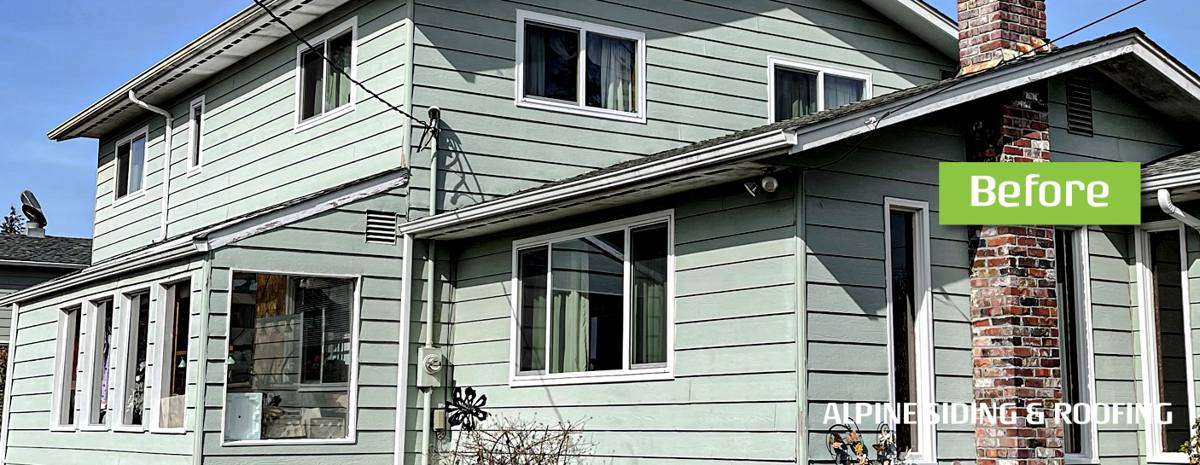
What Seattle's Climate Actually Does to Windows Over Time
Driving Rain and Wind-Driven Moisture
Standard vertical rain is easy for most windows to shed. Driving rain — rain pushed sideways by wind — is a different problem. It gets forced up under sills, behind trim, and into any gap in flashing or caulk that wouldn't normally see water. On an exposed hillside like Queen Anne, driving rain is a regular event, not a rare storm condition, so window assemblies here need flashing and sealant details that a lower, more sheltered install might get away without.
Salt Air and Metal Components
Proximity to Puget Sound means a steady low level of salt in the air, which accelerates corrosion on window hardware — hinges, cranks, locks, and any exposed fasteners. It's a slow effect, but over years it can seize hardware or corrode aluminum components that weren't rated for a marine-influenced environment.
The Long Moss Season
Western Washington's moss and algae season runs long — realistically most of the year on shaded or north-facing walls. Moss holds moisture against wood sills, trim, and cladding around a window opening far longer than the surface would otherwise stay wet. That constant dampness is what actually rots wood, not the rain itself. Window trim that stays green or dark for weeks at a stretch is a maintenance flag worth acting on before it becomes a structural one.
Signs Your Windows Are Due for Replacement
Not every issue means a full window replacement, but these are the signals we take seriously when we inspect a Queen Anne home:
- Fogging or a hazy film between panes of double-pane glass — the seal has failed and the gas fill is gone
- Visible gaps between the window frame and the siding or trim
- Soft, spongy, or discolored wood at the sill or surrounding trim
- Windows that are difficult to open, close, or lock — often a sign of frame movement or swelling
- A noticeable draft near the window even with it fully closed
- Moss or algae buildup at the sill that keeps returning within weeks of cleaning
- Higher heating bills in winter with no other explanation
- Condensation forming on the inside of the glass regularly, not just on the coldest mornings
One or two of these on their own might just need caulking or hardware service. Several together, especially wood rot combined with seal failure, usually mean it's time to talk replacement rather than repair.
Choosing Window Materials for This Climate
There's no single "best" window material for every house — it depends on the home's age, style, and how exposed the specific wall is. Here's how the common options actually perform under Seattle's wind, rain, and moss conditions:
| Material | Moisture Resistance | Maintenance | Best Fit |
|---|---|---|---|
| Vinyl | Very good — won't rot, minimal seal issues | Low — occasional cleaning | Most homes wanting a durable, budget-conscious option |
| Fiberglass | Excellent — dimensionally stable in wet/dry cycles | Low | Exposed walls and high wind/rain areas |
| Wood (clad exterior) | Good if properly clad and flashed | Moderate — trim and sills still need periodic attention | Historic or period-style homes where wood interior detail matters |
| Solid wood (no cladding) | Requires consistent upkeep to avoid rot | High | Homes under strict historic-character requirements, with an owner committed to maintenance |
| Aluminum | Prone to corrosion in salt-air exposure over time | Moderate | Limited use on this hill; we typically steer clients toward vinyl, fiberglass, or clad-wood instead |
We're upfront when a material isn't a good match for a given wall. A west-facing, wind-exposed elevation on Queen Anne is not the place to save money on a lower-grade frame — the maintenance and early-failure costs tend to catch up with that decision.
What a Correct Custom Window Install Actually Involves
"Custom" windows means the units are built or sized to fit your specific openings rather than pulled off a shelf — common on older Queen Anne homes where original openings don't match modern standard sizes. But sizing is only part of doing the job right. A correct install includes:
- Removing the old window and inspecting the framing, sill, and sheathing underneath for hidden rot before anything new goes in
- Repairing or replacing any compromised framing or sill material — never sealing a new window over damaged wood
- Installing proper flashing that directs water out and away from the opening, sequenced correctly with the house wrap or building paper
- Setting the window plumb, level, and square, with shims placed to avoid distorting the frame
- Sealing with the right sealant for the material and location — not just running a bead of caulk around the outside and calling it done
- Insulating the gap between the frame and rough opening properly, so it's neither compressed nor left with voids
- Finishing interior and exterior trim to match the home, with attention to how it'll shed water going forward
Skipping the flashing and framing inspection is the single most common shortcut we see from past work on older homes — and it's exactly the step that determines whether a new window lasts fifteen years or fails again in five.
Permits, Older Homes, and Working Within Queen Anne's Housing Stock
Queen Anne has a lot of older housing stock, including craftsman and early 20th-century homes, and some of that housing sits within areas where exterior changes get more scrutiny than a newer subdivision would. Window replacement generally doesn't require a permit in Seattle when you're matching existing size and style, but changes to size, shape, or a historic-designated structure can trigger review. We check this before quoting the job, not after, so there are no surprises mid-project.
Why a Crew That Already Works This Neighborhood Makes a Difference
A lot of window problems on this hill trace back to installs done by crews unfamiliar with how exposed these homes are. Standard flashing details that work fine in a sheltered valley neighborhood aren't always enough for a wind-driven-rain wall on Queen Anne. Working this area regularly means we know which elevations tend to take the worst of the weather, what moss and algae buildup patterns look like on different sidings, and how older King County homes were typically framed around their original window openings.
It also means faster, more accurate estimates. We're not guessing at what a Queen Anne install requires — we've seen the framing behind these walls before.
Caring for New Windows After Install
A properly installed window still benefits from basic upkeep, especially given the moss season here:
- Rinse sills and tracks a couple of times a year to clear debris before it holds moisture
- Keep gutters clear so overflow isn't running down onto window heads
- Trim back vegetation that shades a window and extends how long it stays damp
- Check exterior caulk lines annually and touch up before gaps open up
- Operate locks and cranks periodically so hardware doesn't seize from disuse
None of this is heavy maintenance — it's the difference between a window that looks and performs well for decades and one that starts showing problems in year eight.
Get a Straight Answer on Your Windows
If you're dealing with drafts, fogged glass, or trim that won't dry out between storms, it's worth having someone look at the actual cause before you decide what to do. We offer free, no-pressure estimates for Queen Anne homeowners — an honest look at what your windows need, what it'll cost, and what we'd actually recommend for your specific walls. Use the form below to get started.