 Seattle
 Roofing on Queen Anne's Hill Is Its Own Challenge
Queen Anne sits up on one of Seattle's steepest hills, and that elevation changes how a roof ages. Homes near the top and along the west- and south-facing slopes take more direct wind off Puget Sound than houses down in the valleys, and that wind carries a fine mist of salt air that settles on shingles, flashing, and fasteners year-round. Combine that with King County's long, wet fall-through-spring stretch and the mature tree canopy that shades much of the neighborhood's older blocks, and you get roofs that grow moss faster and shed water less predictably than a textbook installation in a drier, more open part of the region.
None of that means Queen Anne roofs are doomed to fail early. It means the installation has to account for wind exposure, moisture cycling, and shade from day one — not as an afterthought once problems show up. That's the difference between a roof that looks fine at the two-year mark and one that's still performing at year twenty.
How the Local Climate Actually Wears Down a Roof
Driving rain and wind-driven moisture
Seattle rain is rarely a downpour, but on exposed Queen Anne lots it often comes sideways. Wind-driven rain finds its way under poorly lapped shingles, around undersized flashing, and through nail holes that weren't properly sealed. Over years, that's how you get rot in the decking rather than a dramatic leak — the damage happens quietly, underneath a roof that still looks okay from the street.
Moss and organic growth
The region's moss season runs long — realistically most of the fall, winter, and spring — and shaded, north-facing roof planes under mature trees barely get a chance to dry out between storms. Moss holds moisture against the roofing material, lifts shingle edges, and accelerates granule loss. A roof installed without moss-resistant materials or the right ventilation is fighting an uphill battle from day one.
Salt air and corrosion
Queen Anne's elevation and proximity to the Sound mean metal components — flashing, fasteners, vents, gutters — see more corrosive exposure than roofs further inland. Standard hardware can start showing rust and pitting well before the roofing material itself is due for replacement, which is why material selection matters as much as workmanship.
Signs a Queen Anne Home Needs a New Roof, Not a Repair
Not every roofing issue calls for a full replacement, but there's a point where patching becomes more expensive than starting fresh. Common signs we look for on Queen Anne homes include:
- Granule loss heavy enough that shingles look bald or patchy, especially on sun- and wind-exposed slopes
- Persistent moss coverage that keeps returning within a season or two of cleaning
- Soft or spongy decking felt underfoot during inspection, a sign moisture has reached the wood
- Curling, cupping, or cracked shingles, particularly on older roofs past their expected lifespan
- Flashing that's rusted, lifted, or was never properly integrated around chimneys, skylights, and dormers
- Daylight visible through the attic roof deck, or consistent staining on interior ceilings
- A roof nearing or past the manufacturer's rated life, especially if it's never had a tear-off
Choosing a Roofing Material for This Neighborhood
There isn't one "best" roofing material for every Queen Anne home — it depends on the roof's slope, sun and tree exposure, the home's architectural style, and budget. Here's how the common options actually perform under local conditions:
| Material | How It Handles Moss & Moisture | Wind & Rain Performance | Typical Lifespan |
|---|---|---|---|
| Architectural asphalt shingles | Good, especially with copper or zinc strips; needs periodic cleaning on shaded planes | Strong when properly nailed and sealed for wind exposure | 25–30 years |
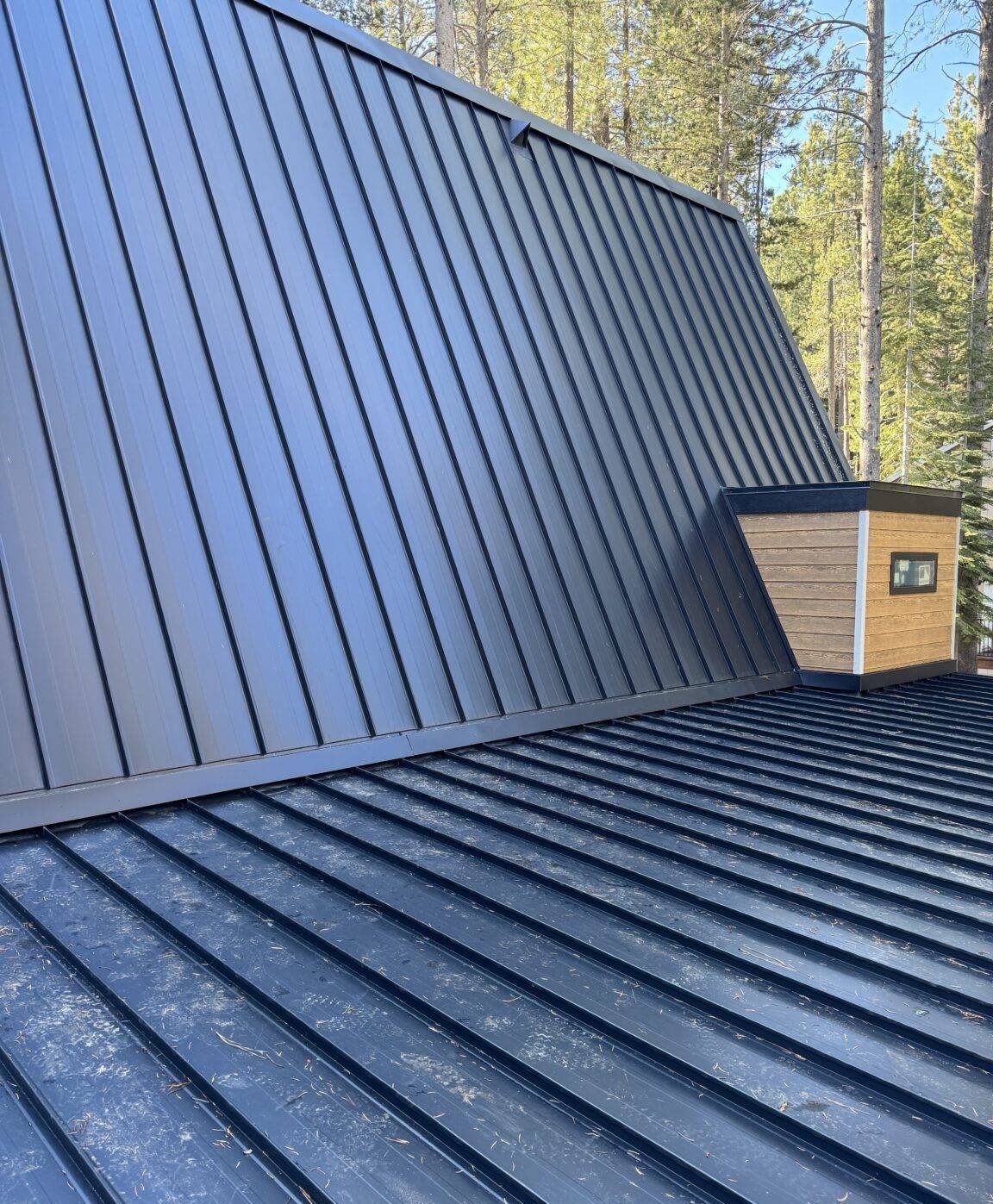
| Standing seam metal | Excellent — sheds moss and debris, sheds water fast | Very strong; handles wind-driven rain well with proper seaming | 40–50+ years |
| Synthetic/composite shake | Good moss resistance, better than natural wood shake | Solid, but installation quality matters more than with metal | 30–40 years |
| Cedar shake | Requires ongoing maintenance to manage moss and moisture retention | Can perform well but is more sensitive to installation detail in a wet climate | 20–30 years with upkeep |
| Torch-down/membrane (low-slope roofs) | Good when properly detailed; common on additions and flat sections | Reliable for low-slope drainage if slope and seams are correct | 15–20 years |
For Queen Anne's mix of older peaked roofs and the flatter or low-slope additions common on remodeled homes, we typically walk owners through two or three realistic options rather than pushing one product — the right call depends on tree cover, sun exposure, and how long you plan to stay in the home.
What a Correct New Roof Installation Actually Involves
A roof is only as good as what's underneath it. A rushed or corner-cutting install can look identical to a proper one for the first year or two — the difference shows up later, usually as a leak in a spot that shouldn't leak. Here's what we treat as non-negotiable on every install:
Full tear-off and deck inspection
Layering new shingles over old is never appropriate for a proper new roof — it traps moisture, hides existing damage, and voids most manufacturer warranties. We remove the old roofing down to the deck and inspect every section of sheathing for rot or delamination before anything new goes on.
Underlayment built for this climate
Synthetic underlayment across the full roof, with ice-and-water shield at eaves, valleys, and any low-slope transitions, gives the deck a second line of defense against wind-driven rain — the same rain that causes most of the hidden moisture damage we find on older Queen Anne roofs.
Flashing done right
Chimneys, skylights, dormers, and wall-to-roof transitions are where leaks actually start. Flashing gets custom-fit and properly integrated with the underlayment and roofing material, not just caulked and hoped for.
Ventilation that matches the home
Proper intake and exhaust ventilation keeps the attic dry and temperature-balanced, which slows moss growth from underneath and extends the life of the roofing material. Many older Queen Anne homes were never ventilated correctly in the first place, so this is often a real upgrade, not just a checkbox.
Our Installation Process
- On-site inspection and estimate. We walk the roof (or use the appropriate tools for steep or high-access sections), check the attic, and give you an honest read on condition and options — no pressure, no upsell script.
- Material selection. We talk through the trade-offs in plain terms based on your roof's slope, sun/shade exposure, and budget.
- Scheduling around Queen Anne's access realities. Narrow streets, limited parking, and tight lots are common on the hill, so we plan equipment staging and dumpster placement before the crew shows up, not on the fly.
- Tear-off, deck repair, and dry-in. The old roof comes off, damaged decking gets replaced, and underlayment goes down the same day whenever possible so the home isn't left exposed overnight.
- Installation of roofing, flashing, and ventilation. Done to manufacturer spec so your warranty is actually valid.
- Cleanup and magnetic sweep. Yard, driveway, and gutters cleared of debris and stray fasteners.
- Final walkthrough. We show you the finished roof and go over any maintenance recommendations specific to your property.
Permits and Older Housing Stock
Queen Anne has a wide range of home ages, from early-1900s houses to mid-century builds to newer infill construction. Older homes sometimes have roof framing or decking that doesn't match current code minimums, which can mean additional structural work is needed before new roofing goes on. Seattle requires permits for most roof replacement work, and we handle that process as part of the job so you're not left tracking down inspections yourself.
What to Ask Before Hiring Anyone for a Queen Anne Roof
- Are you licensed and insured to work in Seattle, and can you provide proof?
- Will you pull the required city permit, or is that left to me?
- What underlayment and ice-and-water shield do you use, and where does it go?
- How do you handle flashing at chimneys, skylights, and roof-wall transitions?
- Will you inspect and replace damaged decking, or just roof over what's there?
- What's the manufacturer warranty, and does your installation actually qualify for it?
- Do you have experience with steep-hill access and tight-lot staging in this neighborhood?
Why a Crew That Already Works Queen Anne Matters
A roofing crew that mostly works flatter, more sheltered parts of King County isn't necessarily used to planning around Queen Anne's hillside wind exposure, narrow street access, or the moss load that builds up under the neighborhood's tree canopy. Those aren't exotic problems, but they're details that affect material choice, ventilation design, and job-site logistics — and getting them right the first time is a lot cheaper than fixing a roof that was installed without accounting for them.
If your roof is showing its age or you're just not sure whether it needs a repair or a full replacement, we're glad to take a look. Fill out the form below for a free, no-pressure estimate — we'll give you a straight answer about what your roof actually needs, not a sales pitch.