 Seattle
 Energy-Efficient Windows in Rainier Valley: What Actually Matters
"Energy-efficient windows" gets used as a marketing phrase more often than it gets explained, and that's a problem for homeowners trying to make a real decision. In Rainier Valley, like the rest of Seattle and King County, the windows on a house are doing two jobs at once: keeping conditioned air inside during the cold, wet months, and standing up to a marine climate that's genuinely hard on building materials — driving rain, salt-tinged air moving in off the Sound, and a moss season that can run most of the year on shaded elevations. A window can carry a good efficiency rating on paper and still underperform if it isn't installed correctly for this climate, and a modest, honestly-specified window installed right will often out-deliver a premium unit that was rushed into a rough opening. This page is about what genuinely moves the needle on energy performance here — the ratings that matter, the glazing and frame choices suited to a wet coastal climate, and the installation detail that determines whether any of it holds up.
We work on siding, roofing, windows, and decks for homes throughout Seattle and King County, and on energy-efficiency window projects specifically, we treat the numbers on the label and the quality of the installation as equally important. Neither one alone gets a homeowner the result they're paying for.
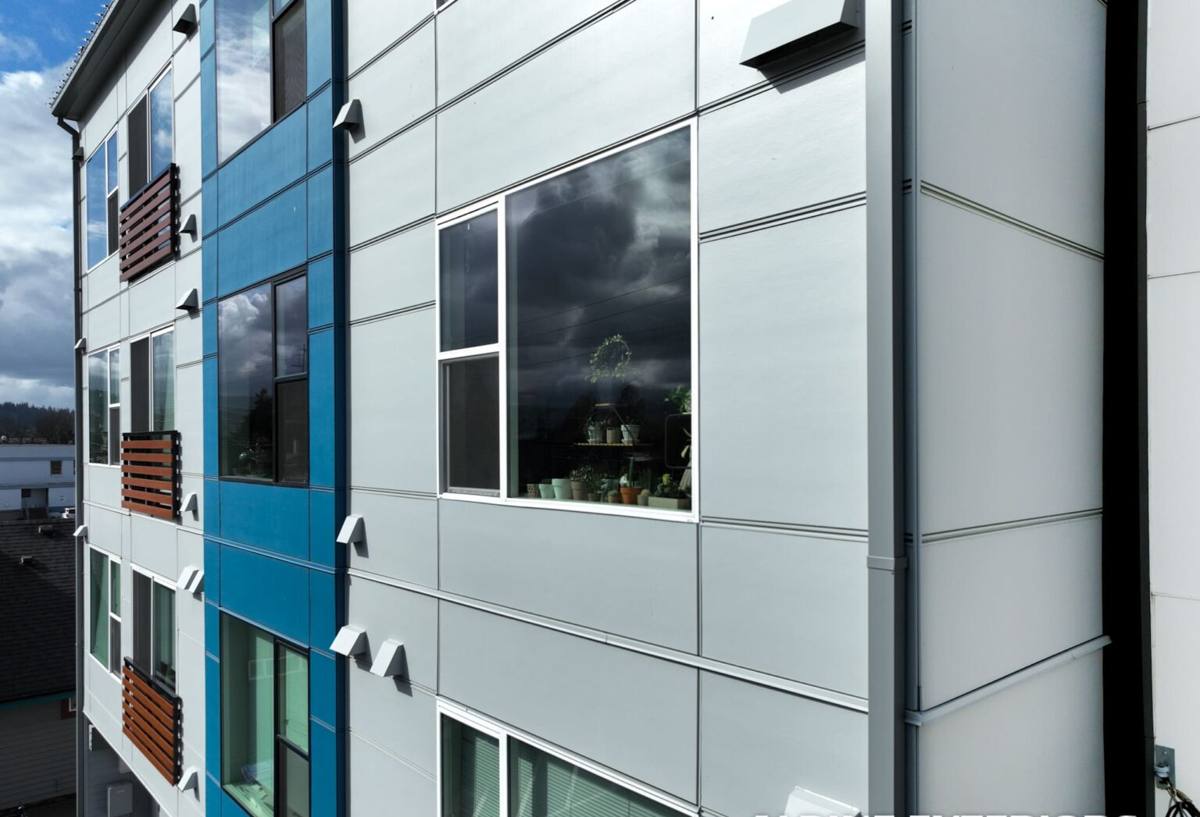
How Rainier Valley's Climate Affects Window Energy Performance
Driving Rain and Air Infiltration
Seattle's rain doesn't fall straight down during most winter storms — wind pushes it sideways into wall assemblies and window openings. That matters for energy performance because any gap that lets water in also lets conditioned air out. A window with excellent glazing but a poorly sealed frame-to-wall connection will still leak heat, even if the glass itself is rated well.
Salt-Influenced Air and Long-Term Seal Integrity
Even away from the immediate waterfront, King County homes see enough marine-influenced air to accelerate wear on lower-grade weatherstripping, seals, and hardware over time. A window's insulating performance depends on those seals staying intact — once weatherstripping compresses or hardens, air infiltration climbs even though the glass and frame haven't changed at all.
Moss Season and Sustained Moisture
Mild temperatures combined with near-constant moisture from fall through spring give moss and mildew a long growing season across the Puget Sound region. Around windows, that moisture tends to collect at sills and drainage points that aren't sloped or flashed correctly, and sustained dampness at a frame's edge can degrade insulation and sealants faster than dry-climate wear ever would.
Condensation From Indoor-Outdoor Temperature Gaps
A Seattle winter puts a heated interior against a cold, wet exterior for months at a stretch, and that gap drives condensation on glass and frames. This isn't just a comfort issue — persistent condensation signals heat loss at the glazing edge, and over time it can support the same moss and mildew growth that thrives everywhere else in this climate.
The Ratings That Actually Tell You Something
Window energy performance is measured, not guessed at, and every legitimate window sold in the U.S. carries an NFRC (National Fenestration Rating Council) label with a handful of numbers on it. Most of the marketing language on a showroom brochure boils down to these ratings, so it's worth knowing what they mean before comparing quotes.
| Rating | What It Measures | Why It Matters in This Climate |
|---|---|---|
| U-Factor | How well the window resists heat loss (lower is better) | Directly tied to heating bills through Seattle's long cool, wet season |
| SHGC (Solar Heat Gain Coefficient) | How much solar heat passes through the glass | Less critical here than in sunnier climates, but still affects comfort on south-facing exposures |
| Air Leakage (AL) | How much air passes through the assembly (lower is better) | Directly affected by wind-driven rain exposure and installation quality |
| Condensation Resistance | How well the window resists interior condensation | Relevant given the sustained indoor-outdoor temperature and humidity gap here |
For this region, U-factor and air leakage tend to matter more than solar heat gain, since the priority for most of the year is keeping heat in rather than keeping it out. A contractor who can walk you through these numbers on your actual quote — not just recite "energy-efficient" as a feature — is giving you something you can compare across bids.
Glazing and Frame Choices That Perform in a Wet Coastal Climate
Double-Pane vs. Triple-Pane Glass
Double-pane, low-E glass is the standard energy-efficient baseline for this climate and covers most homes' needs well. Triple-pane glass adds meaningful insulating value and can be worth it on north-facing exposures or homes with unusually high heating costs, but it also adds weight, cost, and sometimes frame-depth considerations — it's a genuine option, not an automatic upgrade every house needs.
Gas Fills: Argon and Krypton
The space between panes in a modern insulated window is usually filled with argon or krypton gas instead of plain air, because both conduct heat more slowly. Argon is the common, cost-effective choice and performs well in standard-width gaps. Krypton insulates better in narrower gaps, which makes it more relevant for triple-pane or slim-profile retrofit windows than for a typical double-pane replacement.
Low-E Coatings Tuned for This Region
Low-E coatings come in different formulations depending on whether a climate needs to prioritize keeping heat in or blocking solar heat gain. For Seattle and King County, a coating tuned for heat retention generally makes more sense than one optimized for solar control, since the bigger energy cost here comes from heat loss during the cold, wet months rather than overheating in summer.
Frame Material
Vinyl and fiberglass frames both insulate significantly better than uncladded wood and resist the rot that this much sustained moisture eventually causes. Fiberglass tends to hold dimensional stability better through temperature swings, while vinyl is typically the more budget-friendly option — both are reasonable choices for this climate when paired with the right glazing package.
Why Installation Determines Whether the Rating Holds Up
A window's NFRC label describes the unit tested in a lab, not the unit sitting in a rough opening with gaps around the frame. In the field, energy performance depends just as much on how the window is sealed and insulated into the wall as it does on the glass and frame themselves. Spray foam or backer rod at the perimeter gap, correctly lapped flashing that ties into the surrounding weather-resistive barrier, and interior air sealing all affect the real-world U-factor a homeowner actually experiences — none of which shows up on the label. This is also where wind-driven rain exposure becomes an energy issue and not just a leak risk: a poorly sealed perimeter loses conditioned air the same way it lets water in. We treat that perimeter detail as standard practice on every window we install, not an optional add-on.
Signs a Rainier Valley Home Is Losing Energy Through Its Windows
- Noticeable drafts or cold spots near frames even when the window is fully closed and locked
- Heating costs that feel high relative to the size and insulation of the home
- Condensation or fogging on interior glass during cold, wet stretches
- Rooms near older or single-pane windows that are consistently harder to keep comfortable
- Visible daylight or gaps where the frame meets the siding or trim
- Sills or trim that feel soft or show discoloration from prolonged moisture exposure
What Drives the Cost of an Energy-Efficient Window Project
Costs vary a fair amount project to project, but a few factors consistently move the number more than others. Rather than quote a price that won't reflect your actual home, here's what to expect to affect a bid:
| Factor | How It Affects Cost |
|---|---|
| Number of openings replaced | Larger jobs typically bring a better per-window rate but a higher total |
| Glazing package (double vs. triple-pane, gas fill, coating) | Higher-performance packages cost more upfront, generally with a longer payback on energy savings |
| Frame material | Vinyl is typically more budget-friendly; fiberglass usually costs more but offers added stability |
| Existing condition of the rough opening | Rot or damage found during removal adds repair scope beyond the window itself |
| Custom sizing | Non-standard openings and lead times can add cost and scheduling time |
Our Process for Energy-Efficient Window Projects
We start with an on-site look at the existing windows and openings — checking current frame and seal condition, how drafts are actually presenting room by room, and how the surrounding siding and flashing are performing. From there, we walk through glazing and frame options suited to your home's exposure and budget, using the actual NFRC numbers on each option rather than brand names alone, and we give a written scope before any work begins. Perimeter sealing, flashing integration, and insulation detail at the rough opening are handled as standard practice on every job, not offered as an upgrade.
Why a Local Crew Matters for This Work
A crew that already works Rainier Valley and the rest of Seattle knows how wind-driven rain, marine air, and King County's long moss season behave here compared to a drier, more sheltered climate, and that knowledge shows up in decisions a homeowner never sees directly — how much lap a flashing detail gets, which glazing package actually makes sense for a shaded, damp exposure versus a sunnier one, which sealants hold up under sustained moisture rather than failing in a season or two. It also means fewer surprises around permitting and realistic scheduling given how wet the fall and winter months typically run.
Before hiring anyone for energy-efficient window work, it's worth confirming a few basics up front:
- Ask to see the actual NFRC label numbers (U-factor, air leakage) for the specific windows being quoted, not just a general "energy-efficient" claim
- Confirm current Washington contractor licensing and active liability insurance
- Ask specifically how perimeter sealing and flashing integration will be handled, not just which window brand is being sold
- Get a written scope that separates the manufacturer's product warranty from the installation warranty
- Ask about realistic lead times — custom-sized energy-efficient windows can take several weeks to arrive
If you're dealing with drafty rooms, high heating bills, or windows that just don't feel like they're doing their job in a Rainier Valley home, we're happy to take a look and walk through honest, no-pressure options. Reach out below for a free estimate.