 Seattle
 Siding Built for Rainier Valley's Weather, Not Just Its Address
Rainier Valley sits in a part of Seattle that takes a steady, year-round beating from the weather most people associate with the Pacific Northwest: long stretches of driving rain, humid marine air that never fully dries out, and a moss season that can run from early fall through late spring. None of that is unusual for King County. What is unusual is how much damage it does to the wrong siding material, and how little most homeowners realize is happening until a wall starts to feel soft or a seam starts to gap.
Fiber cement siding, installed correctly, handles this climate better than almost anything else on the market. Installed incorrectly, or built from the wrong base material, it can trap moisture behind the surface and fail from the inside out - which is often worse than a product that simply looks weathered. This page is about what a correct fiber cement siding job looks like specifically for homes in Rainier Valley, and why we only install James Hardie products to get there.
What This Neighborhood's Housing Stock Means for a Siding Job
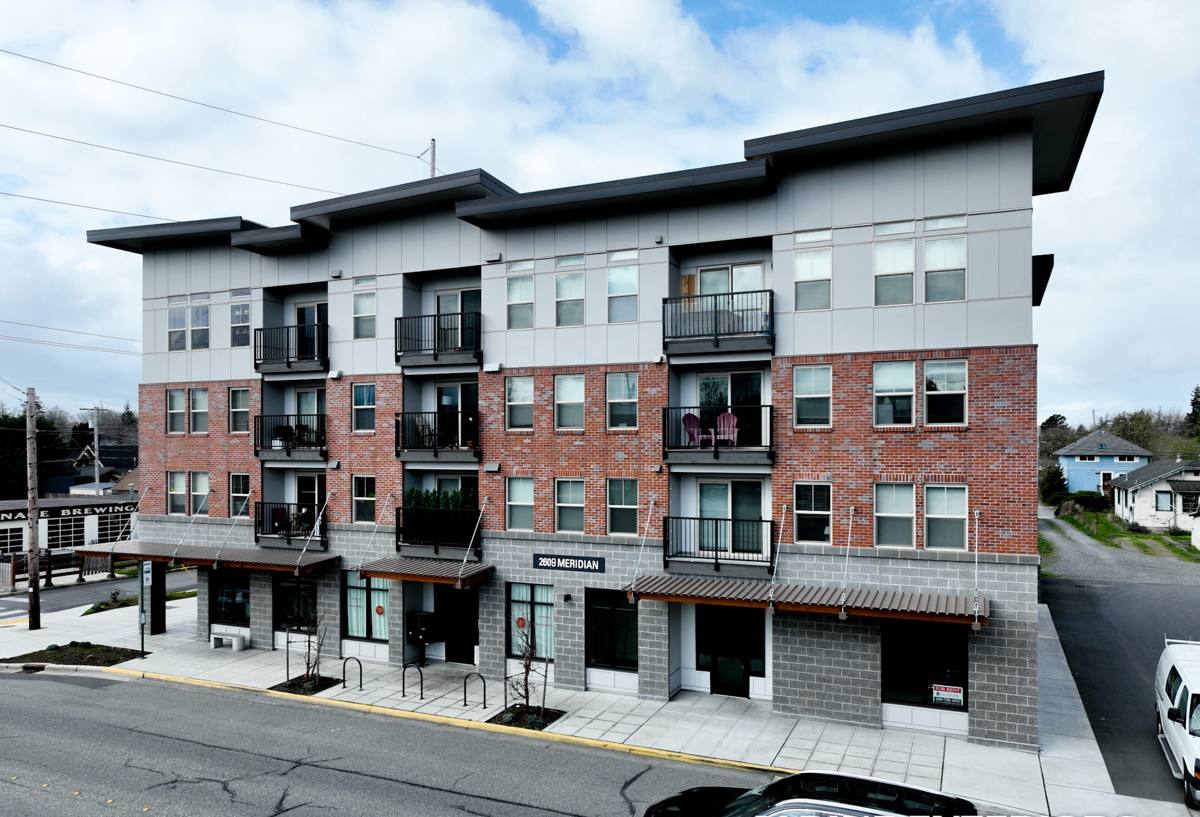
Rainier Valley has a mixed housing stock - older bungalows and mid-century homes sitting alongside newer infill construction. That mix matters more than most siding contractors let on. Older homes often have wall assemblies that were never designed with a modern drainage plane in mind, original sheathing that has absorbed decades of moisture cycles, and trim details that were caulked and painted over rather than properly flashed. Newer homes usually have better wall assemblies to start with, but that doesn't guarantee the siding installed on them was fastened, flashed, or gapped correctly.
Before we quote a job, we look at the actual wall behind the existing siding - not just the surface. That's the difference between a siding replacement that solves the underlying moisture problem and one that just puts a new face on it.
Common Issues We Find on Rainier Valley Homes
- Original wood or composite siding with soft spots near ground level, downspouts, or window sills
- Missing or undersized flashing above windows, doors, and horizontal trim
- Caulk used as a substitute for proper flashing at joints and penetrations
- Moss and algae buildup on north- and shade-facing walls, holding moisture against the surface
- Siding installed tight to the sheathing with no drainage gap behind it
Why We Install Only James Hardie Fiber Cement
We don't install LP SmartSide, vinyl, Cemplank, Allura, or bare cedar or spruce siding. That's a deliberate standard, not a sales pitch. Each of those products has real strengths, but each also has a trade-off - moisture sensitivity at cut edges, expansion and contraction that stresses seams, or a maintenance burden that doesn't hold up well against Seattle's wet season after wet season cycle. James Hardie's fiber cement is non-combustible, dimensionally stable in wet-dry cycles, and engineered specifically for climates like this one under its HZ5 product line, which is built for regions with significant moisture exposure.
The factory-applied ColorPlus finish is also part of the reasoning. It's baked on and warrantied separately from the substrate, which means the color coat is engineered to resist the fading and moisture intrusion that field-painted siding is prone to over time in a climate this wet. Combined with Hardie's transferable warranty, it's a system we're comfortable standing behind on a King County roof and wall assembly, not just a plank we're comfortable selling.
Product Lines We Use Most in This Area
- HardiePlank lap siding - the standard horizontal siding for most Rainier Valley home styles
- HardiePanel vertical siding - for modern facades, accent walls, and gable ends
- HardieTrim boards - for corners, window and door casing, and fascia, matched to resist the same moisture cycling as the field siding
What a Correct Fiber Cement Installation Actually Involves
Fiber cement siding is only as good as the assembly behind it. In a climate that delivers this much sustained rain, the details that don't show up in a driveway walkthrough are the ones that determine whether the siding lasts twenty-plus years or starts failing in five.
| Detail | Why It Matters in This Climate |
|---|---|
| Weather-resistive barrier, correctly lapped | Sheds bulk water down and out before it reaches the sheathing |
| Drainage gap / rain screen behind the siding | Lets any moisture that gets past the siding drain and dry instead of sitting against the wall |
| Flashing at every window, door, and horizontal trim break | Prevents the single most common cause of hidden rot on Seattle homes - water entry at penetrations |
| Correct fastener type, spacing, and embedment | Fiber cement moves slightly with moisture and temperature; wrong fasteners cause cracking and blow-outs |
| Manufacturer-specified clearance from grade, roofing, and decks | Keeps splash-back and standing moisture off the bottom courses, a common failure point on older homes |
| Factory-cut edges sealed where field cuts occur | Uncoated cut edges are the most moisture-vulnerable part of any fiber cement board |
Skipping any one of these doesn't usually cause an immediate, visible problem. It shows up two, five, or ten years later as a soft spot, a stain, or a section that has to be torn open to find out why the wall behind it feels wrong. That gap between "installed" and "installed correctly" is where most siding complaints actually originate.
Our Process for a Rainier Valley Siding Project
We keep the process straightforward and don't skip the parts that protect the wall long-term.
1. On-Site Assessment
We look at the existing siding, the wall assembly underneath where it's exposed, moss and moisture patterns, and any problem areas around windows, trim, and grade level.
2. Scope and Product Plan
We put together a written scope covering removal, any sheathing repair, the drainage and flashing plan, and the specific Hardie products and finish for the home.
3. Tear-Off and Wall Prep
Old siding comes off, damaged sheathing gets addressed rather than covered over, and the weather-resistive barrier and drainage plane go in before a single new board is hung.
4. Installation to Manufacturer Spec
Flashing, fastening, clearances, and joint treatment follow James Hardie's published installation requirements - which is also what keeps the manufacturer's warranty intact.
5. Final Walkthrough
We walk the finished job with the homeowner and cover basic care so the siding performs the way it's supposed to for decades, not just for the first few winters.
Cost Factors for Rainier Valley Homes
Every home is different, so we don't quote a number until we've actually looked at the wall, but the factors below are what typically move a project's cost up or down in this neighborhood. We provide firm, written pricing after an in-person assessment.
| Factor | How It Affects the Project |
|---|---|
| Extent of hidden moisture damage | Sheathing repair adds labor and material beyond the siding itself |
| Home size and wall complexity | More corners, gables, and trim details mean more cutting and detail work |
| Siding profile and finish selection | Lap width, panel style, and ColorPlus color affect material cost |
| Access and site conditions | Tight lot lines, fencing, or limited staging area affect labor time |
| Amount of trim and accent work | Window casing, corner boards, and fascia replacement add scope |
Living With Fiber Cement Siding in a Marine Climate
Correctly installed James Hardie siding is low-maintenance, but "low" doesn't mean "none." A little seasonal attention goes a long way in a climate that stays damp this much of the year.
- Rinse siding annually to clear pollen, dust, and the early stages of moss or algae growth before they take hold
- Keep gutters clear so overflow doesn't run down the wall face or pool at the base of the siding
- Trim back plantings and tree limbs that keep siding shaded and damp longer than the rest of the wall
- Check and refresh exterior caulking at trim joints every few years, since caulk wears out well before the siding does
- Watch north- and shade-facing walls for moss buildup - they hold moisture longest and need attention first
Why Hiring a Crew That Already Works Rainier Valley Matters
Siding installation isn't just about the product - it's about knowing how the local building department reviews the work, what King County's weather actually does to a wall assembly over a real winter, and what this neighborhood's mix of older and newer construction tends to hide behind the existing siding. A crew that works this area regularly has already seen the failure patterns specific to it, which means fewer surprises once the old siding comes off and fewer callbacks once the new siding goes up.
If you're planning a siding project in Rainier Valley, we're happy to take a look and walk you through what we find - no pressure, no obligation. Reach out using the form below for a free estimate.