 Seattle
 Roof Repair Built for Ravenna's Climate
Ravenna sits under one of the heaviest tree canopies in Seattle, and that canopy is a mixed blessing for a roof. It cools the house in summer and shades the yard, but it also means shingles and shakes stay damp longer after every rain, get less direct sun to dry out, and collect a steady drop of needles, leaves, and seed pods that pack into valleys and behind chimneys. Add in King County's long wet season, periods of driving, wind-driven rain off Puget Sound, and the salt-tinged air that reaches inland across greater Seattle, and you have a roofing environment that rewards attention and punishes neglect. None of this means a roof in Ravenna needs to fail early. It means the repair work has to account for moisture retention, moss growth, and corrosion in a way that a dry-climate patch job never has to.
We do roof repair work in Ravenna on a regular basis, not as an occasional stop between other neighborhoods. That matters because the failure patterns here are consistent enough to recognize quickly, and recognizing them early is what keeps a repair a repair instead of turning it into a replacement.
What Ravenna's Housing Stock Means for Your Roof
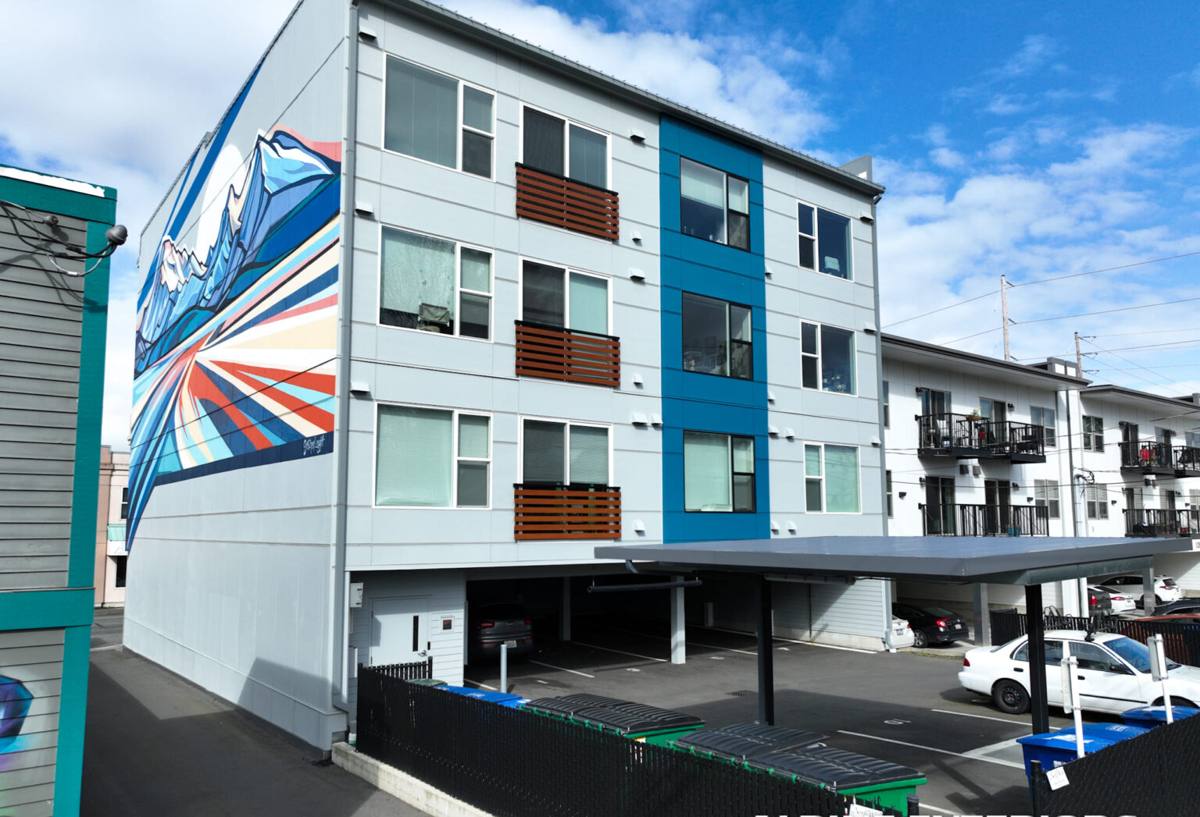
Ravenna has a lot of early-to-mid 20th century homes — Craftsman bungalows, Tudor-influenced houses, and a good number of postwar additions — mixed with newer infill construction. Older homes in this pattern often have moderate to steep roof pitches, multiple roof planes, dormers, and chimneys, all of which create more flashing and transition points than a simple gable roof. Every one of those transitions is a place where a small failure in flashing, sealant, or underlayment can let water in, and older homes are more likely to have had several re-roofs or partial repairs over the decades, sometimes with mismatched materials or shortcuts that only show up once a leak starts.
Newer construction in the area tends to have simpler rooflines but isn't immune to the same climate pressures — moss, moisture, and debris don't care how old the roof is, only how shaded and damp it stays.
Signs Your Ravenna Roof Needs Repair
Because tree cover hides a lot of a roof's condition from the ground, problems here often get noticed later than they should. These are the signs worth acting on before they become bigger jobs:
- Moss or algae streaking on shingles, especially on north-facing or heavily shaded slopes
- Granules collecting in gutters or downspouts, a sign composition shingles are wearing thin
- Dark stains or sagging on interior ceilings, particularly near chimneys, skylights, or where two roof planes meet
- Visible gaps, curling, or lifted edges on shingles or shakes after a windstorm
- Rust streaks or corrosion around metal flashing, vents, or gutter straps
- Standing debris — needles, moss mats, leaf buildup — in valleys or behind chimneys that never fully dries out
- Daylight visible through the attic roof deck, or damp insulation below the roofline
Any one of these on its own might be minor. Two or three together, especially after a wet winter, usually means it's time for a closer look.
What a Correct Roof Repair Actually Involves
Moss and Debris Removal Done the Right Way
Moss is the single most common repair trigger we see on shaded Ravenna roofs. Left alone, it holds moisture against the roofing material, lifts shingle edges, and works its way under flashing. A correct repair starts with careful removal — by hand and with low-pressure methods, never a pressure washer, which strips granules and shortens the life of composition shingles and can damage cedar. We treat the surface to slow regrowth and clear gutters and valleys so water has a clean path off the roof again. This part of the job matters more in Ravenna than in sunnier, more open parts of King County, simply because the tree cover keeps bringing moss back if it isn't addressed at the source.
Flashing and Leak-Point Repair
Most active leaks trace back to flashing, not the field of the roof itself — chimney flashing, valley flashing, and the step flashing where a roof meets a wall or dormer. We inspect these points closely, re-seat or replace corroded or improperly lapped flashing, and reseal with materials rated for our climate rather than a generic caulk that will fail in a season or two. Given the salt-tinged, corrosive air that reaches this far into Seattle from the Sound, we pay particular attention to galvanized or older metal flashing that's starting to rust through, since corrosion there is often what starts a leak long before the shingles themselves show wear.
Material-Specific Shingle and Shake Repair
Composition shingle repair and cedar shake repair are different trades in practice, even though both fall under "roof repair." Composition repair means matching the existing shingle profile and color as closely as possible, properly lapping the new material into the old, and re-nailing at manufacturer-spec locations so the repair doesn't become its own leak point. Cedar shake repair means replacing split or cupped shakes individually, keeping proper spacing for expansion, and making sure the felt or underlayment beneath is intact — cedar hides underlayment failure well, which is part of why older cedar roofs sometimes fail underneath before it's obvious from above.
Repair vs. Replacement: How We Decide
Not every damaged roof needs to come off. We look at the age, material condition, and extent of the damage before recommending either path, and we'll tell you honestly when repair is the right call versus when it's a temporary fix on a roof that's near the end of its service life.
| Factor | Favors Repair | Favors Replacement |
|---|---|---|
| Roof age | Under 15–20 years, material still structurally sound | Near or past expected material lifespan |
| Damage extent | Isolated to one section, flashing point, or valley | Widespread granule loss, curling, or multiple leak areas |
| Underlayment condition | Dry and intact where accessible | Saturated, deteriorated, or unknown across large areas |
| Moss/moisture history | First occurrence, addressed early | Repeated moss damage over several seasons |
| Decking condition | Solid, no soft spots | Soft, spongy, or rotted decking found during inspection |
When we're not certain which side of the table a roof falls on, we say so and explain the tradeoffs rather than pushing toward the bigger job.
Our Repair Process, Start to Finish
1. Inspection and Honest Assessment
We walk the roof, check the attic where accessible, and document what we find — including anything that looks like it was a prior repair shortcut, which isn't uncommon on older Ravenna homes with a re-roof or two in their history.
2. A Written Scope and Estimate
You get a clear explanation of what needs fixing, why, and what it costs before any work starts. No surprise add-ons once we're on the roof.
3. The Repair Itself
We work efficiently but don't rush flashing or tie-in work, since that's where most future leaks come from if it's done carelessly. Debris and old material are cleared as we go, not left to pile up on the property.
4. Cleanup and Walkthrough
We clear gutters and downspouts of any debris disturbed during the repair, check that water is draining properly, and walk you through exactly what was done.
Materials and Workmanship Standards We Hold To
We match repair materials to what's already on the roof whenever a reasonable match exists, since mismatched shingle profiles or shake thicknesses create their own water-shedding problems down the line. Where an exact match isn't available — common on older homes with discontinued shingle lines — we choose the closest equivalent in profile and weight rather than whatever's cheapest, because a repair that doesn't shed water the same way the surrounding roof does just creates a new weak point. We also avoid quick-fix approaches that look fine for a season and fail the next — things like caulk-only patches over open flashing gaps, or spray-on moss killers used as a substitute for actually clearing the moss and fixing the drainage that let it take hold. Those shortcuts cost less up front and more within a year or two.
Why Hiring a Crew That Already Works Ravenna Matters
A roofer who works this part of Seattle regularly already knows which streets have heavier tree cover, which roof styles are common on Ravenna's older housing stock, and what King County permitting looks like when a repair needs to go beyond cosmetic work. That familiarity translates into faster, more accurate diagnosis on-site — less guessing, fewer return trips, and a repair scoped correctly the first time. It also means we're not learning the neighborhood's climate quirks on your roof; we've already seen how moss behaves under this canopy, how flashing holds up under this rain pattern, and where the recurring problem spots tend to show up on homes like yours.
Get a Straightforward Estimate
If you're seeing moss buildup, a stain on the ceiling, or just want a professional set of eyes on a roof that's due for a look, we're happy to come out and give you a straight answer — repair, monitor, or replace — with no pressure either way. Use the form below to request a free estimate for your Ravenna home.