 Seattle
 Asphalt Shingle Roofing Built for Renton's Climate
Renton sits in that stretch of King County where Puget Sound's marine air, heavy tree canopy, and long wet winters combine into one of the tougher climates in the country for a roof to sit through year after year. Asphalt shingles remain the most practical roofing choice for the vast majority of Renton homes — they're proven, repairable, and cost-effective — but "asphalt shingles" covers a wide range of quality, and how they're installed matters as much as which product goes on the roof. A shingle roof that's correctly detailed for this climate will shed water cleanly, resist moss colonization for years longer, and hold its granules and color through repeated freeze-thaw and soak-dry cycles. One that's installed generically, the way it might be in a drier climate, tends to show problems early: moss creeping up from the eaves, soft spots at valleys, and granule loss well before the shingle's rated lifespan is up.
Moss Season Is the Defining Local Challenge
Renton's tree cover and long stretch of overcast, damp months create ideal conditions for moss and algae to take hold on a roof — especially on north-facing slopes and anywhere shade lingers most of the day. Moss isn't just cosmetic. As it establishes, it lifts shingle edges, holds moisture against the roof deck, and accelerates granule loss. Left unaddressed over a few seasons, a mossy roof ages faster than a clean one of the same age and material.
Driving Rain and Wind-Driven Moisture
Pacific storm systems bring rain sideways as often as straight down, which means water gets pushed up under shingle edges and into any gap in flashing or underlayment that a calmer climate might tolerate. Roofs here need to be detailed to handle wind-driven rain at valleys, eaves, and around every penetration — not just water running downhill.
Marine Air and Metal Components
Being close to Puget Sound means the air carries more moisture and salt than an inland climate, which speeds up corrosion on unprotected metal flashing, fasteners, and vent components. It's a smaller factor than moss or rain, but it's part of why we don't cut corners on the metal details of a roof system here.
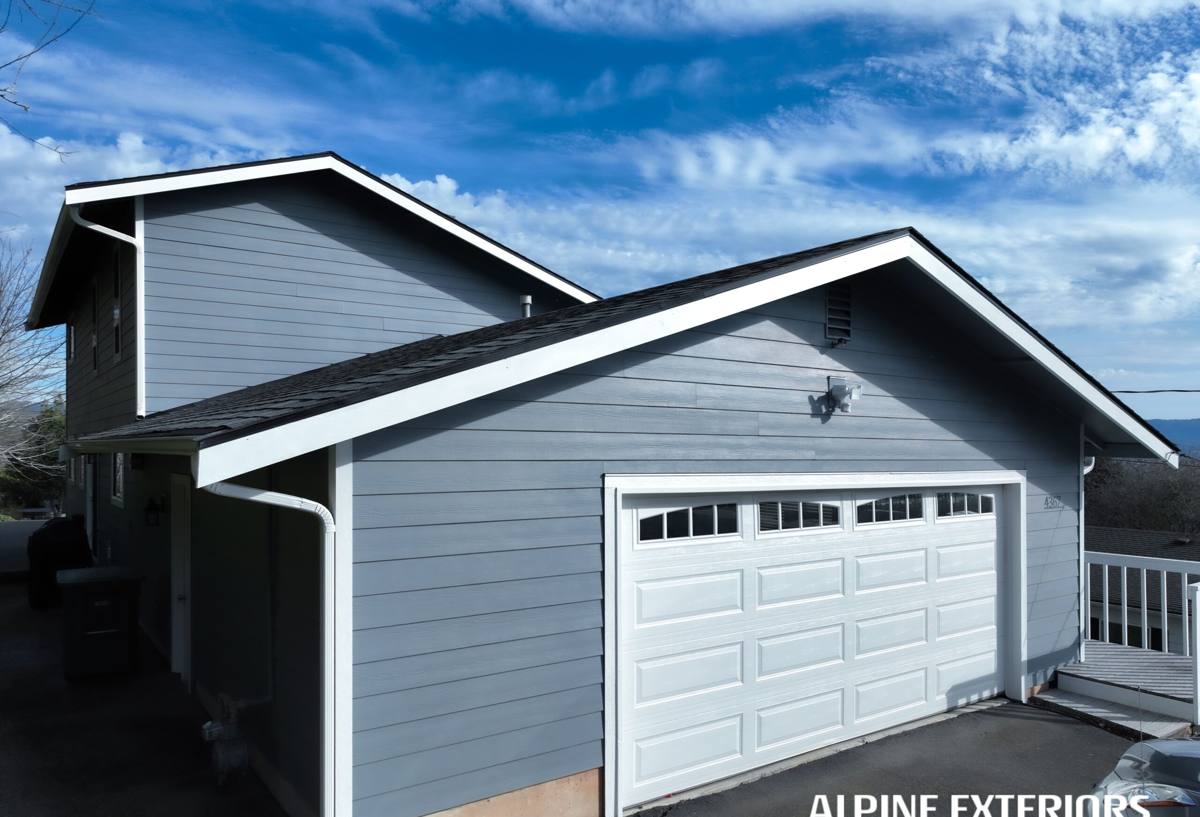
What a Correct Asphalt Shingle Installation Actually Involves
A roof is a system, not a single product. The shingle is the visible layer, but the layers underneath and the details around them are what actually determine whether a roof performs in this climate.
Tear-Off vs. Overlay
We generally recommend a full tear-off rather than layering new shingles over old ones. An overlay hides the condition of the deck underneath, traps moisture between layers, and voids many manufacturer warranties outright. In a climate where the deck is already fighting constant moisture exposure, starting with a clean, inspected deck is worth the extra step.
Underlayment Does More Work Here Than It Does Elsewhere
In a marine climate, underlayment is a bigger factor in a roof's long-term performance than most homeowners realize. Synthetic underlayment across the full roof, paired with self-adhered ice-and-water membrane at eaves, valleys, and around every penetration, gives the roof a real second line of defense if wind-driven rain or an ice dam ever gets past the shingle layer.
Flashing Details
Chimneys, skylights, sidewalls, and valleys are where most roof leaks actually start — not in the open field of shingles. Correct step flashing, counter-flashing, and valley metal, properly integrated with the underlayment (not just caulked over old metal), are what keep those transition points dry through decades of Renton winters.
Ventilation
Balanced intake and exhaust ventilation keeps the attic close to outdoor temperature, which reduces condensation on the underside of the deck and helps prevent ice-related backups during cold snaps. It also keeps shingles from cooking from underneath during summer heat, which shortens their life.
Choosing the Right Shingle for a Renton Home
Shingle lines vary in wind rating, algae resistance, and how forgiving they are of the freeze-thaw, soak-dry cycles typical here. The table below reflects general trade-offs, not a specific manufacturer's marketing claims.
| Shingle Type | Typical Wind Rating | Moss/Algae Resistance | Typical Lifespan | Best Fit |
|---|---|---|---|---|
| 3-tab | Lower | Standard granules only | 15-20 years | Budget-driven projects, secondary structures |
| Architectural / laminate | Higher | Often available with algae-resistant granules | 25-30 years | Most Renton homes — best balance of cost and durability |
| Premium / designer laminate | Higher | Algae-resistant standard | 30+ years | Homes prioritizing curb appeal and longevity |
| Impact-resistant (Class 4) | Higher | Varies by line | 25-30+ years | Homes wanting extra durability against debris and hail |
For most Renton homes, we point people toward an architectural laminate shingle with algae-resistant (copper-infused) granules. The upgrade cost over standard granules is modest, and given how much shade and moisture this area gets, it's one of the better dollar-for-dollar investments in keeping a roof looking clean and performing well over its lifespan.
Our Process, Start to Finish
- Roof assessment — We inspect the current roof, deck condition, ventilation, and any moss or moisture issues, and walk you through what we find.
- Written estimate — A clear scope of work and price, with the shingle line and underlayment system specified, not just "reroof."
- Permit handling — We pull the necessary permit for the reroof so the work is inspected and on record.
- Tear-off and deck inspection — Old roofing removed, deck checked and repaired where needed before anything new goes down.
- Underlayment and flashing — Ice-and-water membrane at vulnerable areas, synthetic underlayment across the field, new flashing at all transitions.
- Shingle installation — Installed to manufacturer specification so your warranty is actually valid, not just implied.
- Cleanup and final walkthrough — Magnetic sweep for nails, debris hauled off, and a walkthrough so you know what was done and why.
Roof Maintenance in a Moss-Heavy Climate
A well-installed roof still needs upkeep in this climate — the moss and debris load here is heavier than most parts of the country deal with. A little regular attention goes a long way toward reaching a shingle's full rated lifespan.
- Keep gutters clear of needles and leaf litter so water isn't backing up under the eave edge
- Remove moss growth gently (soft washing or manual removal) rather than aggressive pressure washing, which strips granules
- Trim back overhanging branches to reduce shade and debris buildup on north-facing slopes
- Check and clear roof valleys, which collect the most runoff and the most debris
- Have the roof looked at after any major windstorm, not just on a fixed annual schedule
- Watch for granules collecting in gutters, a sign the shingle surface is wearing
Signs Your Renton Roof Needs Attention
Most roof failures don't happen suddenly — they show warning signs for months or years first. Worth a call if you notice:
- Visible moss or dark streaking spreading across a slope, not just at the edges
- Shingles that look cupped, curled, or are missing granules in patches
- Daylight visible through the roof deck from inside the attic
- Water stains on ceilings or in the attic, especially after a windy rainstorm
- Sagging in any section of the roofline
Why a Crew That Already Works in Renton Matters
Roofing done right isn't just about the materials — it's about knowing how this specific climate treats a roof over time. A crew that works across King County and the greater Seattle area regularly sees how different shingle lines and underlayment systems hold up against years of moss pressure and driving rain, not just how they perform on a spec sheet. That experience shapes decisions on the job — where to add extra membrane, which slopes need closer attention to ventilation, how aggressively to detail a valley — in ways a generic install approach won't catch. Familiarity with local permitting and typical home construction in the area also keeps a reroof moving without avoidable delays.
Warranties and Honest Trade-Offs
Manufacturer warranties on shingles are only as good as the installation behind them — most require specific underlayment, ventilation, and flashing details to remain valid, and many are prorated in ways that matter more the longer you own the home. We install to the specifications that keep those warranties intact, and we're upfront when a cheaper shingle or shortcut installation would save money up front but cost more in maintenance, appearance, or an early second reroof. Our standard is to recommend what actually holds up in this climate, not just what's least expensive to install.
If you're weighing a repair, a full reroof, or just want an honest read on how much life is left in your current shingles, we're glad to take a look. Reach out for a free, no-pressure estimate — someone from our crew will walk the roof, explain what they see, and give you straight answers before any work is scheduled.