 Seattle
 Roof Repair Built for Renton's Wet, Mossy Climate
Renton sits in the south end of King County, tucked between Lake Washington and the Green River valley, and like the rest of the greater Seattle area it gets a long, wet fall-through-spring stretch where roofs rarely get a real chance to dry out. Add in the marine air that rolls through the whole Puget Sound region and you get a climate that's tough on roofing in a specific way: not dramatic storm damage, but slow, steady moisture intrusion, algae and moss growth, and gutter systems that get overwhelmed if they're not maintained. A roof that would last decades in a dry climate can develop real problems here in half that time if it's not built and repaired correctly for these conditions.
We work on roofs across Renton neighborhoods regularly, which means we're familiar with how local homes are built, what roofing materials tend to hold up here, and which problem areas show up again and again on the same style of home. That local pattern recognition matters as much as the repair work itself.
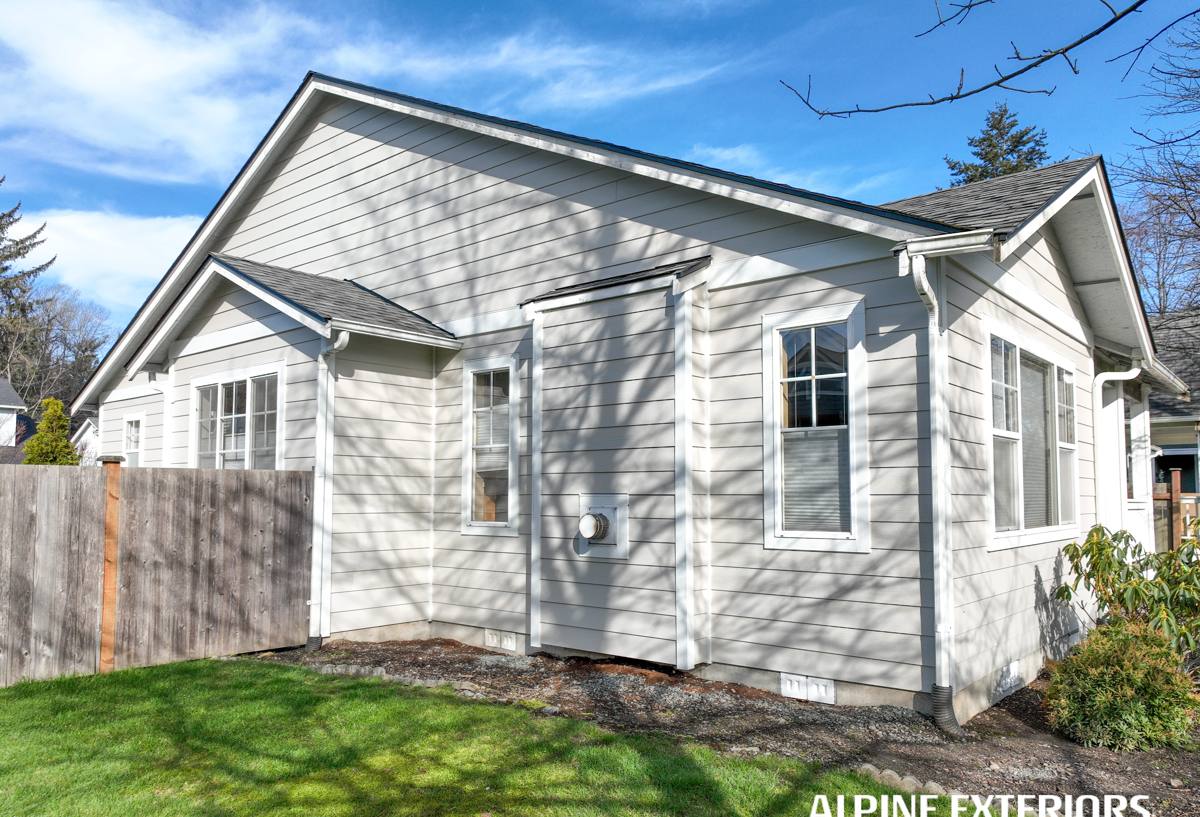
Common Roof Problems We See on Renton Homes
Moss and Algae Growth
Renton's tree cover, shade, and near-constant damp air create ideal conditions for moss on north-facing slopes and shaded roof sections. Moss isn't just cosmetic — it holds moisture against the roofing surface, lifts shingle edges, and accelerates granule loss. Left unchecked, moss growth is one of the most common reasons a repairable roof turns into a full replacement.
Gutter and Drainage Backups
Long rain seasons mean gutters and downspouts are doing constant work. Needle and leaf debris from surrounding trees clogs systems quickly, and once water backs up under the roof edge, it finds its way into fascia boards, soffits, and eventually the roof deck itself.
Flashing and Penetration Leaks
Most leaks we're called out for in Renton aren't from the field of the roof — they're from flashing around chimneys, vent pipes, skylights, and roof-to-wall transitions. Constant freeze-thaw cycles and repeated wetting/drying stress these seams over time, and a small gap that wouldn't matter in a dry climate becomes a steady drip here.
Underlayment and Deck Moisture Damage
When surface problems go unaddressed for a season or two, moisture works its way down to the underlayment and roof deck. This is the point where a repair job stops being simple — soft or delaminated decking has to be identified and addressed, not just covered over.
What a Correct Roof Repair Actually Involves
A roof repair done right isn't just patching the spot where water is showing up inside the house. Interior stains and drips often show up several feet from the actual source, since water travels along rafters and sheathing before it drips. A proper repair process includes:
- Locating the actual entry point, not just the visible symptom
- Checking the roof deck underneath for soft spots, rot, or delamination
- Assessing surrounding shingles, flashing, and underlayment condition — not just the failed section
- Matching replacement materials as closely as possible to existing roofing
- Confirming proper water-shedding sequence (each layer overlapping correctly) rather than just sealing a gap
- Checking attic ventilation, since poor airflow contributes to moisture buildup from the inside out
Skipping any of these steps is how a "repaired" roof leaks again within a year — usually a few feet from where the last patch was made.
Our Roof Repair Process
1. Inspection and Diagnosis
We start with a full roof and attic inspection, not just a look at the reported leak spot. We're checking flashing, valleys, penetrations, gutter condition, and any moss or algae coverage that could be contributing to the problem.
2. Honest Assessment
We tell you plainly whether this is a straightforward repair, a repair that will buy you a few more years, or a situation where the roof's overall condition means repair money is better spent toward replacement. We're not going to talk a Renton homeowner into repeated patch jobs on a roof that's past the point of it making financial sense.
3. The Repair Itself
Depending on what we find, this can mean replacing damaged shingles or roofing material, resealing or replacing flashing, correcting deck damage, or a combination of these. We match materials to what's already on your roof wherever possible so the repair blends in rather than standing out as a patch.
4. Cleanup and Walkthrough
We clear debris, check gutters while we're up there, and walk you through exactly what was found and what was done — including anything worth keeping an eye on going forward.
Repair vs. Replacement: How We Help You Decide
| Factor | Leans Toward Repair | Leans Toward Replacement |
|---|---|---|
| Roof age | Under 15–20 years (asphalt) | Approaching or past expected lifespan |
| Damage location | Isolated to one section or penetration | Spread across multiple slopes |
| Deck condition | Solid, dry sheathing | Soft spots, rot, or repeated moisture damage |
| Moss/algae coverage | Light, treatable | Heavy, embedded, granule loss visible |
| Repair history | First or second repair | Third+ repair in the same general area |
None of these factors decide things alone — we weigh them together and give you a straight recommendation, including the option to simply repair and revisit replacement planning later if that's the more sensible near-term move.
Materials and Our Approach to Moisture-Prone Roofs
For repair work, we favor materials and methods that perform well under repeated wetting rather than ones that look good on day one but are sensitive to installation error or long-term moisture exposure. That's a professional standard we hold ourselves to, not a knock on any particular manufacturer — every roofing product has trade-offs in maintenance, moisture behavior, and how forgiving it is of imperfect field conditions. In a climate like ours, we weight those trade-offs toward long-term water management and away from anything that depends on ideal, dry-climate installation conditions to perform as intended.
Where moss is a recurring issue, we'll talk through preventive options — zinc or copper strip installation, periodic soft-washing, and canopy trimming where relevant — rather than just repairing the same moss-driven damage year after year.
What Roof Repair Typically Costs
Every roof and every problem is different, so exact pricing depends on what we find during inspection. In general terms:
| Repair Type | Typical Scope | General Cost Range |
|---|---|---|
| Minor flashing/seal repair | Single penetration or small section | Lower end — a few hundred dollars |
| Shingle section replacement | Storm or wear damage to one area | Mid-range |
| Deck repair + reroofing section | Moisture damage found under surface | Higher end |
| Multiple recurring repairs | Roof nearing end of service life | Approaching replacement cost — worth comparing |
We give you a clear, itemized quote after inspection — no guessing, and no upsell pressure toward replacement if a repair is genuinely the right call.
Why Hiring a Crew That Already Works in Renton Matters
A crew that regularly works Renton roofs already has a sense of which building styles and roofing ages are common in the area, how tree cover and shade patterns affect specific properties, and which flashing and drainage details tend to fail first on local homes. That familiarity shortens the diagnosis process and reduces the chance of a repair that addresses the symptom but misses the underlying cause. It also means we're not learning the local climate's effect on roofing on your project — we've already seen the pattern play out on other roofs nearby.
King County's building requirements and typical roofing practices are also something a local crew stays current on, which matters when a repair needs to hold up to inspection or when it interacts with insurance documentation.
Simple Maintenance Steps Between Repairs
- Clear gutters and downspouts at least twice a year, more often if you have heavy tree cover
- Have moss treated before it spreads across a full slope, not after
- Trim back branches that shade roof sections and keep them damp
- Check attic ventilation isn't blocked by insulation or debris
- Have a professional look at flashing and seals every few years, even without a visible leak
- Address small interior water stains promptly — they rarely stay small
Staying ahead of these basics is the single biggest factor in whether a Renton roof needs frequent repairs or holds up quietly for years.
If you're dealing with a leak, spotting moss taking hold, or just want an honest read on your roof's condition, we're happy to take a look. Fill out the form below for a free, no-pressure estimate — we'll tell you straight what we find and what it would take to fix it right.