 Seattle
 Why Ballard's Climate Is Rough on Siding
Ballard sits close to Puget Sound, which means homes here deal with a mix of salt-tinged air, near-constant fall and winter rain, and heavy shade from mature trees on many lots. That combination is harder on exterior siding than the average inland Seattle neighborhood. Salt air accelerates corrosion on exposed fasteners and metal trim. Driving rain, especially during wind events off the water, pushes moisture sideways into seams and laps that were never designed to handle water moving horizontally instead of running straight down. And the shade and dampness that keep Ballard's yards green all winter do the same thing to north-facing and tree-covered siding: moss, algae, and mildew take hold and stay.
None of this means siding fails overnight. It means small vulnerabilities — a cracked caulk joint, a warped board, a fastener that's started to back out — get exploited faster here than they would in a drier climate. That's the case for catching damage early and fixing it correctly, not just patching the visible symptom.
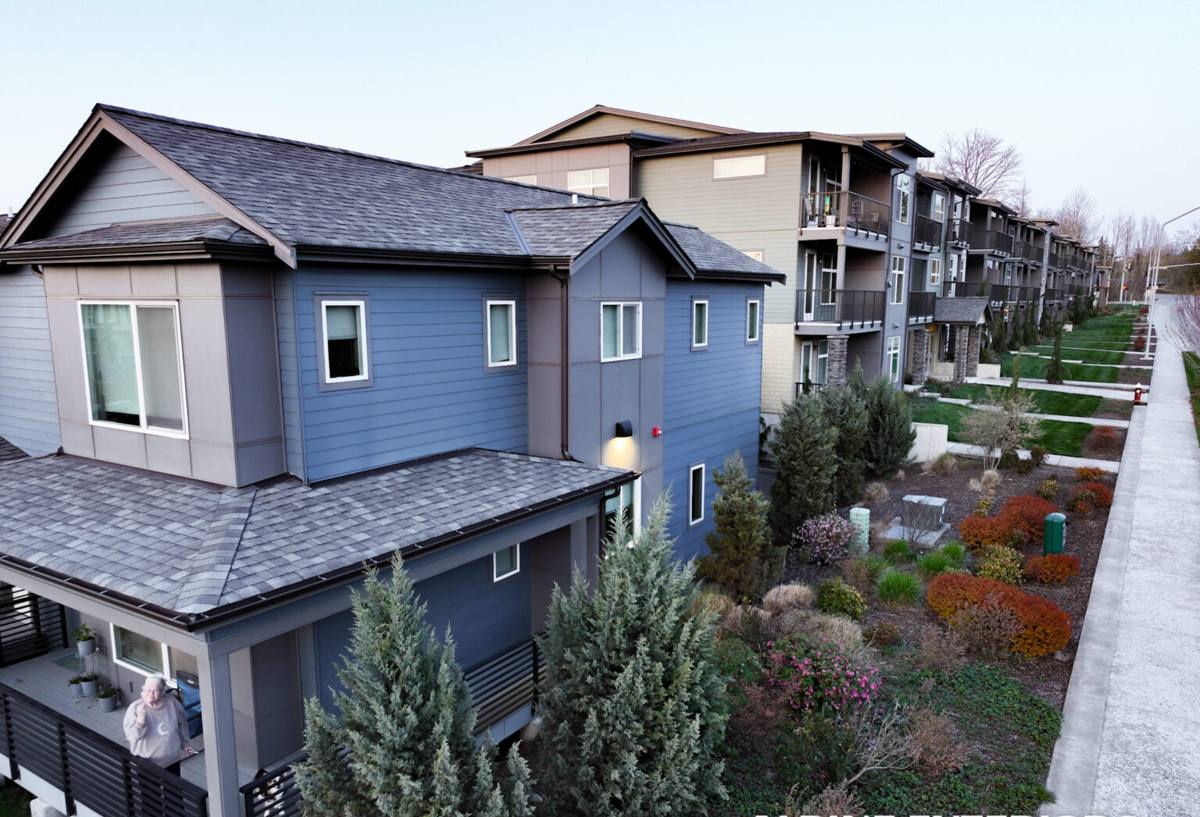
Signs a Ballard Home Needs Siding Repair
Most siding repair calls we get start with something a homeowner noticed during a walk around the house, not a dramatic failure. Here's what we tell people to look for:
- Soft or spongy spots when you press on a board, especially near the bottom of walls or under windows
- Visible cracking, splitting, or buckling in individual boards or panels
- Paint that's peeling, bubbling, or failing in one specific area rather than across the whole house
- Dark streaking, green or black growth, or a persistent damp smell near exterior walls
- Gaps opening up at seams, corners, or where siding meets trim, windows, or the foundation
- Nail heads popping out or rust stains bleeding down from fasteners
- Interior signs — a musty smell, discoloration on interior drywall, or peeling interior paint on an exterior wall
Any one of these on its own might be minor. Several showing up in the same area, or interior symptoms paired with exterior ones, usually means water has been getting behind the siding for a while.
Why Small Problems Don't Stay Small Here
In a drier climate, a hairline crack in siding might sit for years without causing real damage. In Ballard, with rain arriving from multiple directions across the wet season, that same crack is a repeated entry point. Water gets in, the wood sheathing or framing behind it stays damp longer because of the region's humidity, and rot spreads laterally under the siding where you can't see it. By the time a soft spot is obvious from the outside, the damage underneath is often larger than it looks.
What's Actually Causing Most Repair Calls
A few patterns show up again and again on Ballard homes:
Fastener and Trim Corrosion
Salt-influenced air near the water speeds up corrosion on exposed nail heads, staples, and unprotected metal trim. Once a fastener corrodes and loosens, the siding around it moves slightly with wind and temperature changes, which widens the gap and lets in more water.
Wind-Driven Rain at Seams and Laps
Storms coming off Puget Sound don't just drop rain straight down — they push it sideways. Horizontal lap siding and butt joints that were installed with tight but unsealed seams, or without proper flashing behind them, are especially vulnerable during these events.
Moss, Algae, and Trapped Moisture
Shaded, north-facing walls and homes under tree cover stay damp far longer after rain than sun-exposed walls. Moss and algae growth on siding surfaces isn't just cosmetic — it holds moisture against the material and, on wood-based products, accelerates rot underneath.
Age and Original Material
Many Ballard homes are older housing stock with a mix of original wood siding, past vinyl re-sides, or engineered wood products installed decades ago. Each of these ages differently, and repair work has to match the actual failure mode of the material on the wall — not a generic patch.
Repair or Replace? How We Help You Decide
Not every damaged section needs a full re-side, and not every repair is worth doing if the underlying siding is near the end of its life. We look at scope, not just the visible damage, before recommending a path.
| Factor | Leans Toward Repair | Leans Toward Replacement |
|---|---|---|
| Extent of damage | Isolated to one or two wall sections | Recurring in multiple areas across the home |
| Underlying structure | Sheathing and framing are dry and sound | Rot has reached sheathing or framing broadly |
| Age of existing siding | Siding is mid-life and otherwise performing well | Siding is original, discontinued, or near end of service life |
| Material match | Matching material or paint is realistically achievable | Discontinued profile, color, or product line |
| Repair history | First repair needed in this area | Same area has needed repeated repairs |
If a home has been repaired in the same spot more than once, that's usually a sign the material or the original installation detail is the real problem, and putting money into another patch just delays a replacement that's coming anyway. We'll tell you that plainly rather than sell you a third repair.
What a Correct Siding Repair Actually Involves
A repair that only addresses what's visible from the driveway tends to fail again within a season or two. A repair done correctly follows a specific sequence:
- Diagnose beyond the surface. We remove enough siding to see the actual extent of water intrusion and check the condition of the sheathing, house wrap, and flashing underneath — not just the damaged board itself.
- Address the water path, not just the symptom. If a failed flashing detail or a gap in the water-resistive barrier let water in, that gets corrected first. Replacing siding over an unresolved moisture path just resets the clock on the same failure.
- Replace damaged material with the right product. Rotted sheathing gets replaced, not painted over or covered. Siding sections get cut back to sound material, not just at the visible edge of the damage.
- Match reveal, profile, and fastening pattern. Repairs should be structurally and visually consistent with the surrounding siding — proper overlap, correct fastener spacing, and factory-matched or properly primed and painted material.
- Seal and finish correctly. Caulking only where the manufacturer's installation instructions call for it (not everywhere, which can trap moisture), and paint or factory finish that matches so the repair doesn't stand out as a patch.
Why We Repair and Rebuild With James Hardie Fiber Cement
We install James Hardie fiber cement siding exclusively — we don't install vinyl, LP SmartSide, Cemplank, Allura, primed spruce, or cedar. When it comes to repair work, that standard shapes how we advise homeowners:
If your home already has Hardie siding, repairs are straightforward: Hardie's ColorPlus factory finish and consistent product lines mean a properly matched patch blends in and holds paint and color the same way the surrounding siding does, without a mismatched sheen or color drift over time.
If your home has wood, vinyl, or another fiber cement brand and the damage is limited and the rest of the siding is sound, we'll repair it honestly with an appropriate matching approach — we're not going to tell you to re-side your whole house over a small fixable issue. But if the damage points to a broader pattern of moisture intrusion, warping, or repeated failure common to that material in this climate, we'll say so directly, and our recommendation for the replacement is Hardie: it's non-combustible, engineered for wet climates through Hardie's HZ product lines, backed by a strong transferable warranty, and holds up to the salt air and driving rain that wear down softer materials faster in a neighborhood like Ballard.
Our Process for Ballard Siding Repair Jobs
We keep the process direct because most homeowners calling about a repair just want an honest read and a fix that lasts:
- On-site inspection. We look at the damaged area and the surrounding siding, checking for signs the problem extends further than what's visible.
- Moisture and structural check. Where damage suggests water intrusion, we check the sheathing and framing condition before quoting the repair scope.
- Clear, written estimate. You get a scope of work and a price before anything is touched — no surprise change orders for work that was identifiable at inspection.
- Repair work. Damaged material is removed, the water path is corrected, new material is installed to match, and the area is finished to blend with the rest of the wall.
- Cleanup and walkthrough. We clear debris and walk the repair with you before we consider the job done.
Why Hiring a Crew That Already Works in Ballard Matters
Siding repair isn't a generic task you can lift from a national playbook. A crew that regularly works this neighborhood already understands the mix of older craftsman-era homes and newer infill construction common here, the way lots are shaded and packed together, and how quickly moss and algae take hold on north- and tree-shaded walls near the water. That familiarity shows up in practical ways: knowing which wall orientations to check first, recognizing King County permitting expectations for exterior work, and understanding how tight lot lines and close-set neighboring homes affect access and staging for a repair crew.
It also means we're not guessing at how a repair will hold up in this specific climate — we're basing it on what we've already seen fail, and what's already held up, on homes just like yours.
What Siding Repair Typically Costs
Repair costs vary widely based on scope, so we won't quote a number without seeing the damage. But the factors that move the price are consistent:
| Cost Factor | Why It Matters |
|---|---|
| Size of the damaged area | More linear footage of siding and sheathing to remove and replace |
| Hidden water damage | Rot found in sheathing or framing adds structural repair, not just siding |
| Height and access | Second-story or hard-to-reach walls require more setup and staging time |
| Material match difficulty | Discontinued colors or profiles may require repainting a larger section for a clean match |
| Number of repair areas | Multiple separate spots on the home add mobilization and finishing time versus one contiguous area |
We'll walk you through exactly what's driving the cost on your specific home before any work starts, so there's no guessing.
If you're seeing damage, discoloration, or persistent moss on your Ballard home's siding, we're happy to take a look and give you an honest read on what it needs — repair or otherwise. Request a free, no-pressure estimate using the form below.