 Seattle
 Deck Building Built for University District's Climate
University District sits in one of the wetter, shadier corners of Seattle, and that combination is hard on outdoor structures. Long stretches of driving rain move through King County for much of the year, mature trees throw shade across many lots for most of the day, and the moist marine air that comes off Puget Sound settles into wood and hardware even on homes several miles from open water. A deck built without those conditions in mind will show it within a few seasons — soft boards, black streaks, slick moss, and hardware that rusts before its time.
A deck built for this specific climate is a different project. It starts with material choices suited to shade and moisture, framing that actually sheds water instead of trapping it, and fasteners rated for the corrosive marine air common throughout the Seattle area. This page covers what that looks like in practice, and what to expect if you're planning a new deck or replacing an aging one in University District.
What University District Homes Typically Need From a Deck
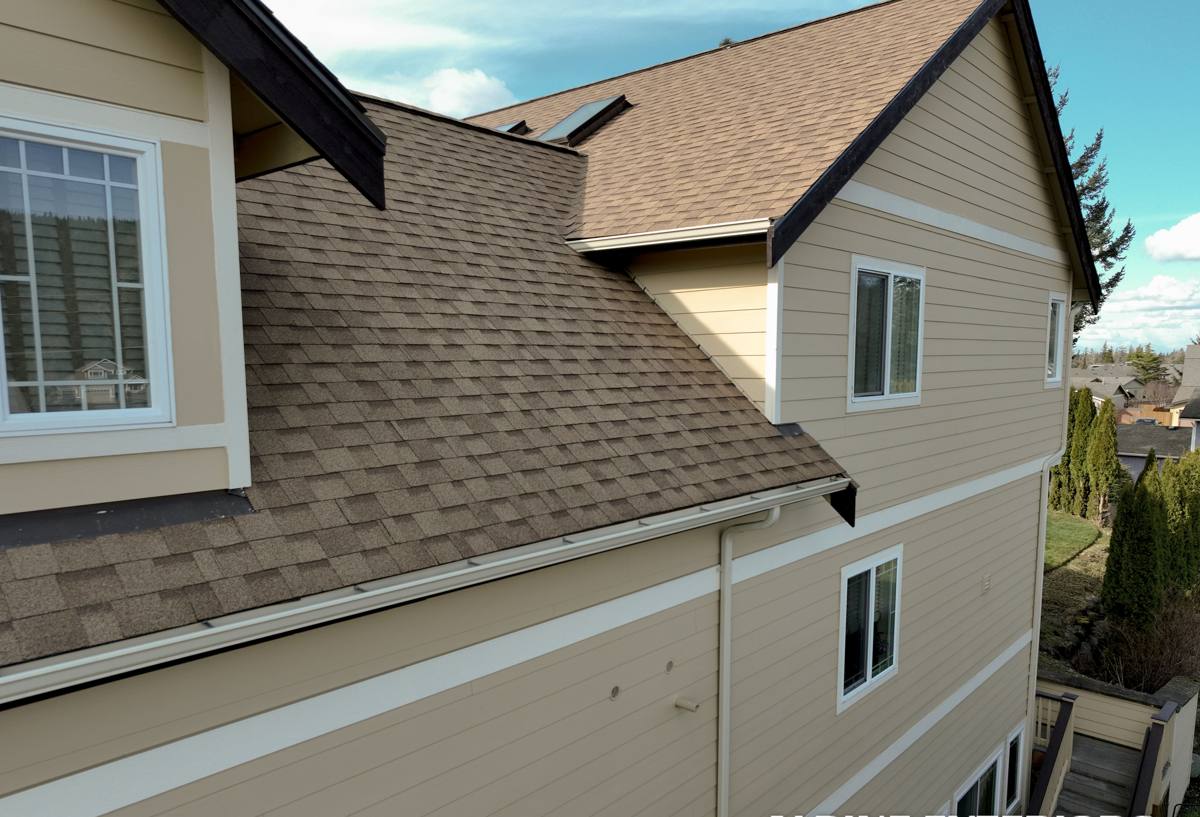
University District's housing stock leans older — craftsman homes, bungalows, and a good number of multi-unit properties near the university — often on lots with mature landscaping and less direct sun than newer developments elsewhere in the city. That shade is pleasant to sit under, but it also means decking surfaces stay damp longer after rain, which is exactly what moss, algae, and mildew need to take hold.
Common issues we see on existing decks in the area
- Moss and green algae buildup on boards that don't get afternoon sun
- Soft or delaminating spots where standing water sat against wood or composite decking
- Rusted or corroded fasteners and hardware, especially on older decks built with standard-grade screws
- Ledger board rot where the deck attaches to the house, often hidden until a board is pulled
- Slippery surfaces during the wet season, particularly on painted or older wood decking
None of these are unusual for the region — they're the predictable result of long wet seasons and shade. The fix isn't a different climate; it's a deck designed and built to handle the one we actually have.
Choosing Decking Material for a Shaded, Wet Lot
There's no single "best" decking material for every yard — the right choice depends on how much sun and airflow the deck actually gets, your budget, and how much upkeep you're willing to do. Here's how the common options compare for a University District setting.
| Material | Upfront Cost | Moss & Moisture Resistance | Ongoing Maintenance |
|---|---|---|---|
| Pressure-treated wood | Lowest | Fair — needs sealing and regular cleaning to resist moss in shade | Annual cleaning, periodic staining/sealing |
| Cedar | Moderate | Good natural rot resistance, but surface still needs care in constant shade | Cleaning and sealing every 1–2 years |
| Composite decking | Higher | Very good — resists rot, but can still grow surface moss/algae if never cleaned | Occasional washing, no sealing or staining |
| PVC/capped composite | Highest | Best moisture resistance of the common options | Lowest — occasional rinse |
For decks that sit under tree cover most of the day — common on older University District lots — we lean toward materials with strong moisture resistance and steer clients away from anything that traps water against the board face. That's a maintenance and longevity call, not a knock on any particular product; wood decking can absolutely work here, it just needs a homeowner willing to keep up with cleaning and sealing on schedule.
Railings and fasteners matter as much as the boards
A deck is only as durable as its weakest hardware. In a climate with this much sustained moisture and the corrosive influence of salt-laced marine air moving inland off the Sound, we use fasteners and structural hardware rated for exterior, corrosion-prone environments — not the standard-grade screws that work fine in drier climates but rust and stain within a couple of wet seasons here.
What's Underneath the Boards Matters Most
The decking surface is what you see, but the framing underneath is what determines whether the deck lasts ten years or thirty. This is also where most shortcuts happen on lower-quality jobs, because it's the part that gets covered up.
Footings and posts
Deck footings need to be set below frost depth and sized correctly for the load and soil conditions on your specific lot. Older University District decks were sometimes built on undersized or shallow footings that have since shifted or settled — a problem you often can't see until the deck starts feeling springy or uneven.
Ledger board attachment
Where the deck ties into the house is the single most common failure point we find on repair calls. It needs proper flashing to keep water from working its way behind the ledger and into the rim joist — a detail that's easy to skip and expensive to ignore, since rot here can spread into the house framing itself.
Joist spacing and drainage
Joist spacing should match the decking material's span rating, and the framing should be built with a slight slope and gaps that let water actually drain instead of pooling. In a shaded, high-rainfall climate, poor drainage under the deck is one of the biggest drivers of the moss and mildew problems we get called about.
Permits and Code in Seattle
Most new decks and many deck replacements in Seattle require a permit, particularly once you're above a certain height off grade or attaching structurally to the house. Requirements cover things like guardrail height, baluster spacing, footing depth, and setback from property lines, and they exist for real safety reasons — guardrail and structural failures are not hypothetical on older, undersized decks.
We handle the permit and inspection process as part of the job rather than leaving it to the homeowner to sort out. If your lot has specific zoning quirks — common in some of the denser, older parts of University District — that gets confirmed before work starts, not discovered mid-build.
Our Deck Building Process
The process is straightforward, but each step matters for how the deck performs in this climate over time.
- On-site assessment — we look at sun exposure, drainage, existing structure (if replacing a deck), and how the space will actually be used
- Material and layout discussion — honest trade-offs between wood, cedar, and composite/PVC options based on your shade level, budget, and maintenance appetite
- Permit and design finalization — footings, framing, and railing plans confirmed against current Seattle code
- Demolition of the old deck (if applicable) with a check of the ledger, rim joist, and framing behind it for hidden rot
- Framing and footings built to span and load requirements, with attention to drainage and slope
- Decking, railing, and hardware installation using corrosion-rated fasteners throughout
- Final walkthrough covering how to clean and maintain the specific material you chose
Why a Crew That Already Works in University District Matters
A deck builder who works across King County in all kinds of settings will get the structural basics right. A crew that specifically knows University District's older housing stock, tighter urban lots, shared-access driveways, and shade patterns from mature street trees tends to catch problems earlier — because they've already seen the version of this deck three streets over that was built the same year with the same shortcuts.
That local familiarity also matters for practical logistics: material staging and access on narrow lots, coordinating around rental properties or multi-unit buildings near the university, and knowing which drainage and moss issues are typical for the neighborhood versus a sign of something more serious underneath.
Keeping a New Deck Looking Good Through the Wet Season
Even the right material and solid framing benefit from basic seasonal upkeep in this climate:
- Sweep leaves and debris off the surface regularly in fall, especially under tree cover
- Rinse or lightly scrub composite and PVC decking once or twice a year to prevent surface algae
- Reseal wood or cedar decking on the schedule recommended for that product — don't wait until it looks gray and worn
- Check and clear any gaps between boards so water and debris don't build up and hold moisture against the framing
- Have railings and structural connections looked at periodically, particularly on decks more than 10–15 years old
None of this is complicated, but skipping it is exactly how moss and moisture problems get started — and why the design and material choices made during construction matter as much as anything you do afterward.
Get a Free Estimate
If you're planning a new deck or replacing one that's showing its age, we're happy to take a look and give you a straightforward, no-pressure estimate — including an honest read on what your specific lot's sun exposure and drainage mean for material choice. Use the form below to get started.