 Seattle
 Why Wallingford Homes Need Windows Built for This Climate
Wallingford's mix of early-1900s bungalows, Seattle box homes, and mid-century infill sits close enough to Puget Sound that salt-tinged air is a constant factor in how building materials age. Add King County's long wet season, driving rain that comes in sideways off the water, and months of low light and humidity that keep moss and algae established on north-facing surfaces, and you have a climate that is genuinely hard on window frames, seals, and glazing. A window that performs fine in a drier inland climate can fail early here if it wasn't specified or installed with this environment in mind.
Custom windows are not a luxury upsell for Wallingford homes — they're often the only practical way to get a proper fit in older houses with settled, out-of-square openings, while also matching the trim details and proportions that give these homes their character. Off-the-shelf standard sizes frequently mean gaps, shims, and compromises that show up later as drafts, fogging, or wood rot around the frame.
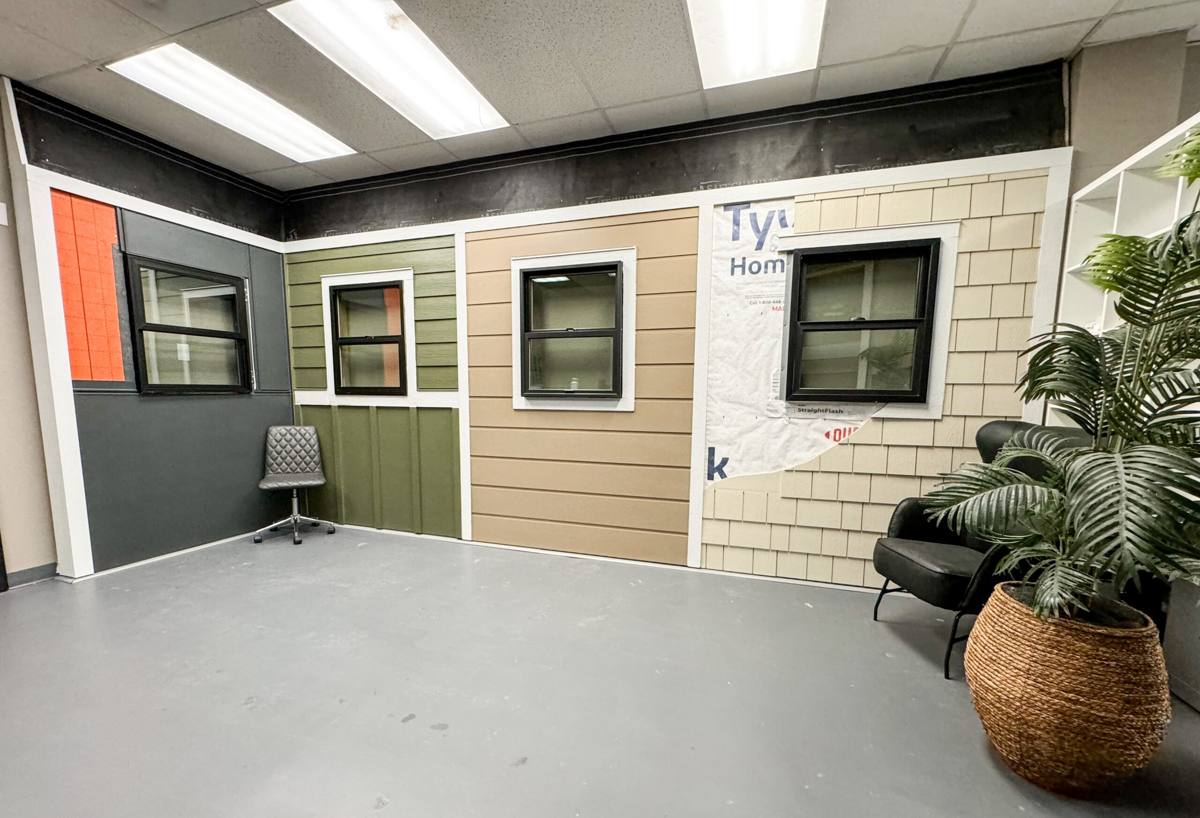
What "Custom" Actually Means in Practice
When we say custom windows, we mean the unit is built to the exact rough opening of your home, not selected from a limited catalog of stock sizes and then forced to fit. For Wallingford's older housing stock, this matters because:
- Original openings are rarely perfectly square after 70-100+ years of settling
- Trim profiles and sightlines often need to match existing craftsman or box-style detailing
- Wall thickness varies between additions, remodels, and original construction
- Historic character (divided lites, specific sash proportions) may need to be preserved or replicated
Custom sizing also means we can correct problems while we're in the wall — reframing a slightly racked opening, addressing hidden water damage, or upgrading the flashing detail — rather than just dropping a new window into old, compromised framing.
Common Window Styles We Work With Locally
Wallingford's housing stock leans toward a handful of recognizable styles, and the right window choice depends on the home:
| Home Style | Typical Window Need | Key Consideration |
|---|---|---|
| Craftsman bungalow | Double-hung, often with divided lites | Matching muntin pattern and wood or wood-look trim |
| Seattle box | Larger double-hung or casement | Preserving symmetry and proportion on the facade |
| Mid-century | Casement, awning, or picture windows | Clean sightlines, larger glass areas |
| Newer infill/townhomes | Vinyl or fiberglass casement/slider | Energy code compliance, simpler trim detailing |
Material Choices That Hold Up to Rain and Salt Air
Frame material is one of the biggest long-term decisions in a window project, and it's where climate should drive the choice more than style preference alone. In a coastal, high-moisture region like ours, we weigh moisture behavior and maintenance burden heavily.
| Material | Moisture Performance | Maintenance | Best Fit |
|---|---|---|---|
| Vinyl | Excellent — won't rot or corrode | Low; occasional cleaning | Budget-conscious, newer construction |
| Fiberglass | Excellent, very stable in temperature swings | Low | Long-term durability, larger units |
| Wood | Requires protection from driving rain and salt exposure | Higher; periodic repainting/sealing | Historic accuracy, interior warmth |
| Wood-clad (wood interior, metal/vinyl exterior) | Good — exterior shell resists weather | Moderate | Craftsman homes wanting wood interior look with less upkeep |
| Aluminum | Can be prone to condensation without thermal breaks | Moderate | Modern styling, commercial-adjacent look |
We're generally cautious about bare aluminum frames without a thermal break in our climate, since the metal conducts cold straight through and invites condensation on the interior side during our wet, cool months. That's a maintenance and mold-risk tradeoff we walk homeowners through honestly rather than just defaulting to whatever's cheapest.
What a Correct Installation Actually Involves
The window unit itself is only part of the job. Most window failures we're called out to fix in this region trace back to installation details, not the product. A correct install in a rain-heavy, salt-air environment includes:
- Removing the old unit and inspecting the rough opening for hidden rot or water damage before anything new goes in
- Repairing or rebuilding damaged framing rather than installing over it
- Installing proper flashing (sill pan flashing especially) so any water that gets behind the siding drains out and away from the wall, not down into the framing
- Sealing with the right weather-resistive barrier integration, not just caulk alone
- Insulating the gap between the frame and rough opening correctly — too little insulation causes drafts, too much rigid foam can bow the frame
- Finishing interior and exterior trim to shed water and match existing detailing
Skipping the flashing step is one of the most common shortcuts we see from rushed installs, and it's also the one most likely to cause hidden rot that isn't visible until years later when the siding or interior wall shows damage.
Our Process, Start to Finish
- On-site assessment — we measure openings, check framing condition, and talk through style, material, and budget goals for your specific home
- Custom order — units are built to your exact opening dimensions and specified glazing/material
- Removal and inspection — old windows come out and we check the opening before proceeding
- Repair as needed — any rot, damaged framing, or old flashing issues get addressed before the new unit goes in
- Installation and flashing — new window set, flashed, insulated, and sealed to shed water properly
- Trim and finish — interior and exterior trim completed to match your home
- Walkthrough — we go over operation, care, and warranty details before we consider the job done
Signs a Wallingford Home Needs Window Attention
Because moisture problems in this climate often develop slowly, it helps to know what to watch for:
- Visible condensation or fogging between panes (indicates seal failure)
- Soft or discolored wood around the frame or sill
- Drafts you can feel near the frame even when the window is fully closed
- Difficulty opening, closing, or locking — often a sign of a settling or warped frame
- Paint that bubbles or peels repeatedly in the same spot on the exterior trim
- Persistent moss or dark streaking on the frame or sill that keeps returning after cleaning
- Noticeably higher heating bills without another clear cause
Living With a Long Moss Season
Moss and algae growth on window sills, trim, and nearby surfaces is one of the more visible signs of our long wet season, and it's more than cosmetic. Moss holds moisture against wood and painted surfaces far longer than bare material would, which accelerates rot and paint failure over time. Materials like vinyl and fiberglass resist this kind of surface damage much better than bare wood, which is part of why we walk homeowners through the maintenance tradeoff up front rather than after the fact. For wood or wood-clad windows, periodic cleaning of sills and trim, along with keeping nearby vegetation trimmed back for airflow, goes a long way toward extending the life of the paint and wood underneath.
A Quick Seasonal Maintenance Checklist
- Clear moss and debris from sills and tracks each fall and spring
- Check caulking and exterior seals annually for cracking or gaps
- Confirm weep holes (on vinyl/fiberglass units) are clear so water drains properly
- Inspect exterior wood trim for soft spots or peeling paint before winter
- Test operation of locks and hardware seasonally, since humidity can affect fit
Why It Matters That We Already Work in Wallingford
A contractor who regularly works Wallingford's streets already understands the neighborhood's typical rough-opening quirks, the common framing issues in homes of this era, and what permitting or design expectations tend to come up in this part of Seattle. That familiarity shortens the guesswork during the estimate, and it means fewer surprises once a wall is opened up. It also means we're accountable locally — we're not a crew passing through for a one-off job in King County, we're doing work in a neighborhood where our name and our results are visible to neighbors.
We also bring the same standard to every home regardless of size or budget: correct flashing, honest material recommendations based on how they'll actually hold up here, and no shortcuts on the parts of the job that aren't visible once the trim goes back on.
Get a Straightforward Estimate
If your Wallingford home has windows showing their age, or you're planning a remodel and want custom units that actually fit and perform in our climate, we're happy to take a look and give you honest options. Reach out for a free, no-pressure estimate using the form below — we'll walk the property, answer your questions, and give you a clear picture of what the job involves before you decide on anything.