 Seattle
 Why Wallingford Roofs Wear Differently Than You'd Expect
Wallingford sits close enough to the water and under enough tree cover that its roofs take a specific kind of beating. It isn't one dramatic storm that ends a roof's life here — it's the accumulation of a long wet season, driving rain that gets pushed sideways under ridge caps and around flashing, salt-tinged air off the Sound corroding exposed metal, and moss that never really stops growing because the shade and moisture never really let up. A roof built or maintained without that combination in mind tends to fail early, and often quietly, with rot setting in under a shingle field that still looks fine from the ground.
A correct new roof installation in this part of Seattle isn't just "put shingles on a house." It's a set of decisions about decking condition, ventilation, underlayment, and moss resistance that either hold up to King County's climate for decades or start causing problems within a few winters.
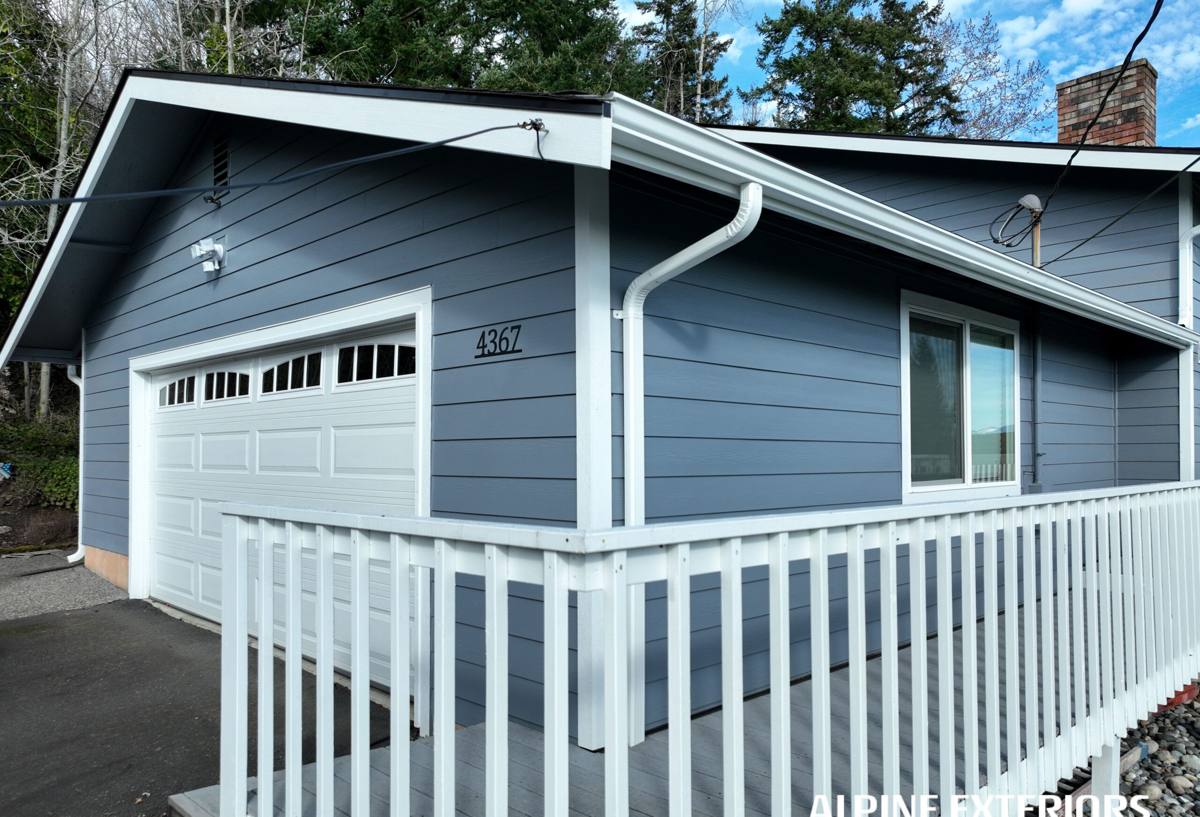
Signs a Wallingford Home Needs a New Roof, Not Another Repair
Many of the homes in this neighborhood are older — craftsman bungalows and early-to-mid-century construction that have likely been re-roofed at least once already. At some point, patching stops making financial sense. Here's how we help homeowners tell the difference.
Repair territory
- A single isolated leak tied to one damaged area, flashing, or penetration
- Roof is under 12-15 years old with granule loss limited to one slope
- Moss is present but the deck underneath is still sound
Replacement territory
- Multiple leaks in different areas, or leaks that reappear after repair
- Soft or spongy decking felt from inside the attic, or daylight visible at the ridge or eaves
- Shingles curling, cracking, or losing granules across most of the roof, not just one section
- Moss and moisture staining that return within a season of cleaning
- Roof is past its expected service life for its material and exposure
We won't sell a full replacement when a repair will genuinely hold. We'll also tell you plainly when a repair is just delaying an inevitable tear-off — that's a judgment call that matters more here than in drier climates, because a marginal roof in the Puget Sound area deteriorates faster than the same roof would somewhere dry.
What a Correct New Roof Installation Actually Involves
A roof is a system, not a single layer. Skipping any part of it shows up as a leak two or three winters later, which is exactly when homeowners in this climate tend to find out something was done wrong.
Full tear-off and deck inspection
We remove the existing roofing down to the deck rather than layering over it. That's the only way to actually see the plywood or plank sheathing underneath — and on older Wallingford homes, that sheathing is sometimes original. Any soft, delaminated, or water-stained decking gets replaced before anything new goes down. Roofing over compromised decking is one of the most common shortcuts we see, and it guarantees a shorter roof life no matter how good the shingles are.
Ice and water barrier, then synthetic underlayment
Given how much wind-driven rain this area sees, self-adhered ice and water shield goes at eaves, valleys, and around every penetration — the places wind-blown rain actually gets pushed under a roof edge. The rest of the deck gets a synthetic underlayment rather than old-style felt, which holds up better to the extended wet stretches typical of a Western Washington winter.
Flashing done right, not reused
Flashing around chimneys, skylights, walls, and vent pipes is where most roof leaks actually start — not in the open field of shingles. We install new flashing rather than reusing old, corroded metal, and we pay particular attention to any flashing exposed to salt-influenced air, which corrodes noticeably faster near the water than it does farther inland.
Ventilation that matches the attic, not a generic spec
Balanced intake and exhaust ventilation keeps moisture from condensing in the attic during the long stretches of damp, cool weather typical here. Under-ventilated attics in this climate trap humidity, which rots decking from underneath and defeats the point of a new roof before it's paid for itself.
Choosing a Roofing Material for a Wallingford House
There's no single "best" material — the right choice depends on your roof's slope, your home's age and style, and how much moss and moisture exposure the site gets from tree cover. Here's how the common options compare for this specific climate.
| Material | Typical Lifespan Here | Moss & Moisture Behavior | Maintenance |
|---|---|---|---|
| Architectural asphalt shingle | 25-30 years | Good with algae-resistant granules; needs periodic moss removal | Low to moderate |
| Standard 3-tab shingle | 15-20 years | More prone to moss growth and granule loss in shaded, damp areas | Moderate |
| Standing seam metal | 40-50+ years | Sheds water and moss quickly; minimal debris retention | Low |
| Cedar shake | 20-30 years with upkeep | Attractive but moisture-sensitive; needs consistent treatment and cleaning to resist rot and moss in shaded, wet sites | High |
On heavily shaded Wallingford lots with mature trees, we lean toward materials and details that shed moisture fast and resist moss rather than ones that look best on day one and demand upkeep every year after. That's a maintenance-burden conversation we have honestly with every homeowner — it's not that any of these materials is a bad product, it's that some fit a shaded, wet lot better than others.
Our Installation Process
- On-site inspection and estimate. We walk the roof and attic, check decking condition where accessible, and note drainage, ventilation, and any problem areas before quoting anything.
- Material and scope walkthrough. We go over material options, ventilation needs, and flashing details specific to your roof — no generic package.
- Permitting. Full roof replacements in Seattle typically require a permit; we handle that process so you don't have to track it down yourself.
- Tear-off and deck repair. Old roofing comes off, decking gets inspected in daylight, and any damaged sections are replaced before anything new is installed.
- Underlayment, flashing, and roofing installation. Ice and water barrier, synthetic underlayment, new flashing, and the roofing material go on in that order, per manufacturer spec.
- Ventilation check and final walkthrough. We confirm intake and exhaust venting is balanced and walk the finished roof with you before we consider the job done.
- Cleanup. Old material, debris, and fasteners are cleared from the property and yard, including a magnetic sweep for nails.
Moss and Moisture Management Built Into the Roof, Not Added Later
A new roof in this neighborhood should be designed to resist moss from the start rather than relying on someone climbing up to scrub it off every year or two. That means choosing shingles with algae-resistant granules where appropriate, keeping valleys and low-slope transitions detailed to shed water quickly, and making sure gutters and downspouts can actually keep up with King County's rainfall rather than backing water up under the roof edge. None of this eliminates the need for periodic moss removal on a shaded lot — but it significantly reduces how often you need to do it and how much damage moss does in the meantime.
A Checklist for Choosing Who Installs Your Roof
- Do they inspect the actual decking before quoting, or just measure the roof from the ground?
- Do they explain ventilation as part of the job, or treat it as an upsell?
- Do they pull permits, or ask you to sign off on skipping that step?
- Do they use new flashing, or reuse what's already on the house?
- Can they speak specifically to moss and moisture issues on shaded, tree-heavy lots — or only give generic answers?
- Do they carry proper licensing and insurance for work in Seattle and King County?
A crew that already works regularly in Wallingford and the surrounding Seattle neighborhoods has seen this housing stock up close — the plank decking under older bungalows, the flashing details around older chimneys, the drainage quirks of hillier lots. That local repetition matters more than it sounds like it should, because it means fewer surprises once the tear-off starts and fewer callbacks after the crew leaves.
Get a Straight Answer About Your Roof
If your roof is showing its age — persistent moss, granule loss, a leak that keeps coming back, or it's simply old enough that you'd rather plan the replacement than react to an emergency — we're glad to take a look. We'll give you a clear read on repair versus replacement, walk through material options that make sense for your home and lot, and put together a free, no-pressure estimate with no obligation to move forward.