 Seattle
 Window Installation Built for Magnolia's Marine Exposure
Magnolia sits up on a bluff overlooking Puget Sound, which gives the neighborhood some of the best views in Seattle — and some of the toughest window conditions in King County. Homes here catch wind and salt-laden air off the water, take on driving rain from the southwest through most of the fall and winter, and sit under tree cover that keeps things damp and shaded for a good chunk of the year. Windows installed without that context in mind tend to fail early: seals give out, frames swell or rot, and glass fogs between panes years before it should.
This page covers what window installation actually needs to account for in Magnolia specifically — not a generic rundown of window types, but what changes when the house is a few blocks from open water and exposed to weather that doesn't behave like it does further inland.
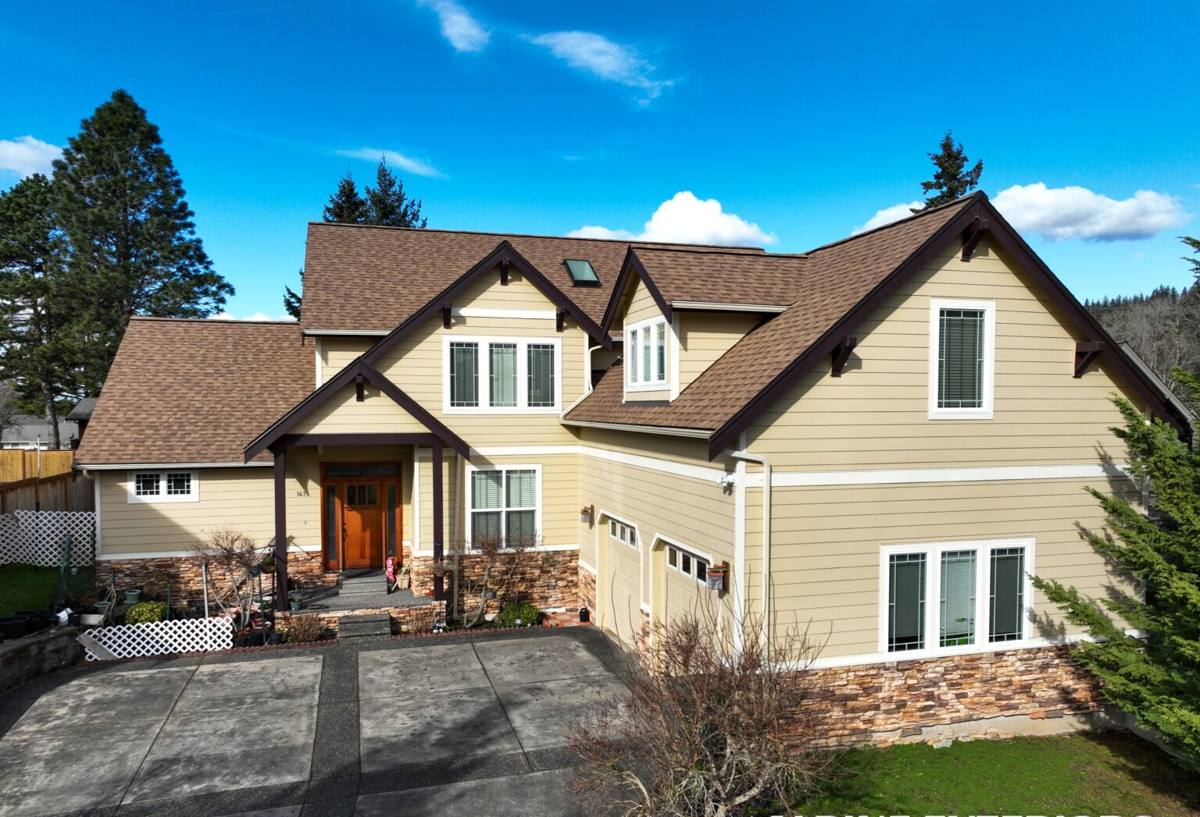
What Puget Sound Weather Does to Windows Over Time
Salt Air and Metal Components
Windows facing the Sound or open exposure take in salt-tinged air, and salt is hard on unprotected metal — screen frames, hardware, and lesser window fasteners can corrode faster here than on a house a few miles inland. It's not dramatic or fast, but it's steady, and it's one reason we pay attention to hardware quality on bluff-facing installs, not just glass and frame.
Driving, Wind-Driven Rain
Seattle rain is usually gentle, but Magnolia's elevation and water exposure mean storms often arrive with real wind behind them. Wind-driven rain finds any gap in flashing or sealant that vertical rain would never reach. A window that's watertight in a light drizzle can still leak in a sideways storm if the flashing detail underneath wasn't done right.
A Long Moss and Moisture Season
Between the tree cover common in Magnolia's older residential blocks and the region's extended wet season, window sills, tracks, and exterior trim stay damp for long stretches at a time. Moss and mildew take hold anywhere water sits instead of draining, and that moisture works into wood trim and frame joints if it isn't shedding properly.
Signs Your Magnolia Home's Windows Need Attention
Most window problems build slowly, so homeowners often don't notice until there's a clear symptom. Some of the more common ones we see on Magnolia service calls:
- Fogging or a permanent haze between panes of double-pane glass (a broken seal — not cleanable, only fixable by replacement)
- Visible gaps, soft spots, or paint failure on wood sills and frames, especially on north- and west-facing walls
- Drafts you can feel near the frame even with the window fully latched
- Windows that are difficult to open, close, or lock — often a sign of frame swelling from moisture
- Noticeably higher heating bills without any other explanation
- Condensation forming on the inside of the glass regularly through fall and winter
- Moss or dark streaking building up on the sill or the siding just below it
Any one of these on its own isn't necessarily urgent. Several together, especially on the water-facing side of the house, usually means it's worth having someone look before the next wet season.
What a Correct Window Installation Actually Involves
Window installation is often thought of as removing an old window and setting a new one in the same hole. In a climate like this, that approach is where most premature failures start. A correct installation is really about what happens around the window, not just the window unit itself.
Flashing and the Moisture Barrier
Before a new window ever goes in, the opening needs a proper flashing sequence — sill pan, side flashing, and head flashing layered so that any water that does get past the glass and frame drains back out and away from the wall assembly, not into it. This is the single most important part of the job and the part that's invisible once trim goes back on. It's also the part most likely to be shortcut on a fast, low-cost install.
Fit, Shimming, and Insulation
A window needs to be plumb, level, and square in the opening, shimmed correctly so it isn't binding or racking, and insulated around the frame with a proper low-expansion foam or backer rod — not just caulked shut. Gaps packed too tight with foam can bow the frame; gaps left open become a draft and moisture path.
Exterior Sealant and Trim
The exterior sealant bead and trim work is the last line of defense against wind-driven rain, and it has to be compatible with the siding material and done in weather that allows it to cure properly — not rushed in the middle of a wet spell, which is a real scheduling constraint in this region.
Choosing Materials for a Bluff-Exposed, Marine Climate Home
There's no single "best" window material — the right call depends on sun exposure, wind exposure, your home's age and style, and how much upkeep you want to take on. Here's how the common options generally compare for a house in Magnolia's conditions:
| Material | Performance in Salt Air / Wet Climate | Maintenance | Typical Cost Range |
|---|---|---|---|
| Vinyl | Good — won't rot or corrode; UV exposure can affect long-term color | Low — no painting, occasional cleaning | Lower |
| Fiberglass | Very good — dimensionally stable, resists moisture and salt air well | Low | Mid to upper |
| Wood (unclad) | Poor without diligent upkeep — most vulnerable to the wet, mossy conditions here | High — regular painting/sealing required | Mid to upper |
| Wood interior / aluminum-clad exterior | Good — exterior cladding shields the wood from weather; installation quality matters more | Moderate | Upper |
For homes with real water and wind exposure, we generally steer people away from unclad exterior wood unless they're committed to a real maintenance schedule — it's not that the material is bad, it's that this climate is unusually hard on it, and the upkeep burden shows up faster here than it would in a drier region. Vinyl and fiberglass tend to be the lower-maintenance, more weather-resistant choices for most Magnolia homes, with clad-wood remaining a solid option for owners prioritizing a traditional look and willing to stay on top of it.
Our Installation Process
1. On-Site Assessment
We look at each opening individually — orientation, existing flashing condition, sill and framing health, and how exposed that particular wall is to wind and rain. Two windows on the same house can need different attention depending on which direction they face.
2. Honest Scope and Options
We walk through material and style options that fit the house and the budget, without pushing a single "premium" product as the only right answer. If a lower-cost option is genuinely a good fit for a given opening, we'll say so.
3. Removal and Opening Prep
Old windows come out carefully, and we check the framing underneath for any rot or moisture damage before anything new goes in — this is often where problems from a past leak get discovered and addressed rather than sealed over.
4. Flashing, Install, and Insulation
Proper flashing sequence, correct shimming and leveling, and appropriate insulation around the frame, done to hold up to wind-driven rain rather than just look finished.
5. Exterior Sealing and Trim
Final sealant and trim work, timed around weather so it cures properly rather than rushed between rain systems.
6. Walkthrough
We check operation, look for any gaps or issues, and go over care basics with you before we consider the job done.
Why It Matters That We Already Work in Magnolia
A crew that regularly works this neighborhood already knows which walls take the worst of the weather, how the older housing stock here tends to be built, and what kind of flashing and sealing detail actually holds up on a bluff-exposed home versus a more sheltered one a mile inland. That's not something you can fully substitute with a generic install from a crew that mostly works other parts of King County or does one-off jobs across a wide territory.
There's also a practical side: Seattle's permitting requirements and inspection expectations are specific to the city, and a crew that pulls permits here regularly moves through that process more smoothly than one encountering it occasionally. For most straightforward like-for-like window replacements, permitting is often minimal, but any changes to the opening size, structural header work, or historic-character considerations can bring in additional requirements — worth confirming for your specific project rather than assuming either way.
Timing Considerations for Seattle's Wet-Season Climate
Window installation can be done in the Pacific Northwest year-round, but scheduling around the weather matters more here than in drier climates. Sealants and some flashing products need a proper cure window, and installing during a stretch of steady rain can compromise that. We plan installs around forecasted dry windows when possible, and if weather isn't cooperating on install day, we'd rather reschedule than rush a step that affects how the window performs for the next fifteen or twenty years.
Get a Straightforward Estimate
If your Magnolia home has windows showing their age — drafts, fogging glass, sticking frames, or just years of exposure to the salt air and rain coming off the Sound — we're happy to take a look and give you a straightforward, no-pressure estimate. Use the form below to get started.