 Seattle
 Roofing on a Peninsula: What West Seattle Asks of a Roof
West Seattle sits differently than most of the city — bordered by Puget Sound on one side and exposed to weather systems that move in off the water with little to slow them down. That combination of salt-laden air, driving wind-blown rain, and deep shade from mature evergreens on many lots creates conditions that are noticeably harder on a roof than a typical inland Seattle block. An asphalt shingle roof that would coast through a mild season elsewhere can show granule loss, moss colonization, or flashing failure years earlier here if it wasn't installed with this specific exposure in mind.
We work on roofs across King County, but West Seattle jobs get planned around the same short list of local realities every time: proximity to salt air along the shoreline neighborhoods, rain that hits roofs at an angle instead of straight down, and a moss season that runs longer than a lot of homeowners realize. None of this means asphalt shingles are the wrong choice for the area — they're still one of the most practical, cost-effective options for this climate. It means the details of the installation matter more here than they do in a drier, more sheltered part of the region.
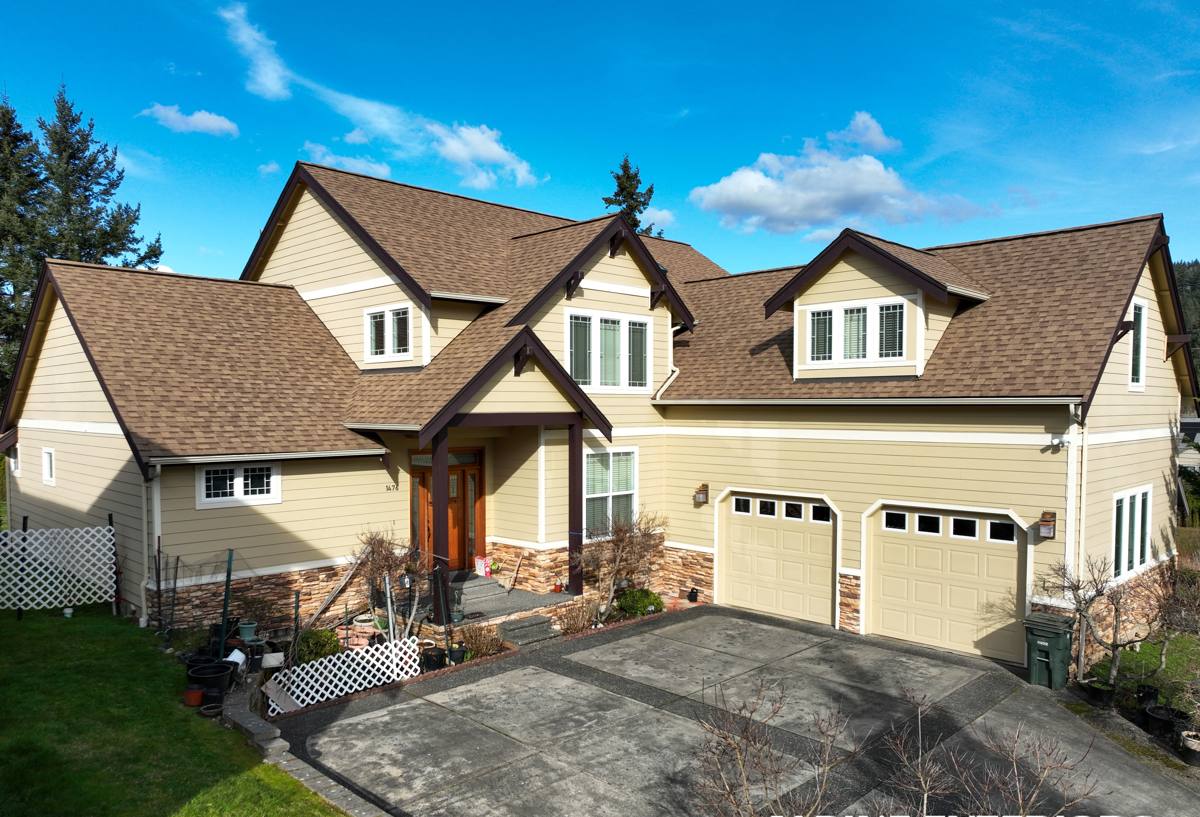
Why the Local Climate Wears Roofs Down Faster
Salt Air and Metal Components
Homes closer to the water deal with airborne salt that accelerates corrosion on exposed metal — flashing, nail heads, vent stacks, and gutter hardware. On a shingle roof, flashing is doing a lot of the actual waterproofing work at valleys, chimneys, skylights, and wall intersections. If that metal starts to corrode before the shingles themselves are due for replacement, you can end up with leaks around penetrations on a roof that otherwise still has years of life left in the field shingles.
Driving Rain and Wind-Driven Exposure
Storms coming off the Sound often push rain sideways rather than straight down, which puts more stress on shingle edges, ridge caps, and any spot where wind can get up under a tab. Underlayment quality and proper shingle fastening patterns matter more under these conditions than they would in a calmer microclimate — a roof that's technically "up to code" but installed loosely is more likely to show problems here first.
Moss, Shade, and a Long Wet Season
Many West Seattle lots have mature tree cover, and combined with our long stretch of overcast, damp weather, that shade keeps roof surfaces from drying out between rain events. Moss and algae get a real foothold in those conditions, and once moss establishes itself under shingle tabs, it holds moisture against the roof deck and can lift shingles from underneath — which is a different, often worse, problem than surface staining alone.
What a Correct Asphalt Shingle Installation Actually Includes
A shingle roof is a system, not just a layer of shingles nailed to plywood. Skipping or shortcutting any one part of that system is usually where premature failures come from — and it's rarely visible from the ground, which is part of why quality installation is hard for a homeowner to judge just by looking.
- Deck inspection and repair — soft, delaminated, or water-damaged sheathing gets replaced before anything new goes down, not covered over.
- Ice-and-water shield or high-quality synthetic underlayment — especially at eaves, valleys, and low-slope transitions where wind-driven rain is most likely to find a way in.
- Proper flashing at all chimneys, skylights, sidewalls, and valleys, using corrosion-resistant metal appropriate for a coastal-influenced climate.
- Balanced attic ventilation — intake at the eaves and exhaust at the ridge, sized correctly, so moisture doesn't get trapped against the underside of the deck.
- Correct nailing pattern and fastener count per shingle, matched to the manufacturer's wind-rating requirements.
- Starter strip and ridge cap detailing that actually seals the roof's most vulnerable edges, not just cosmetic finishing.
When any of these steps get shortcut, the roof can still look fine for a year or two. The problems tend to show up later — as leaks, granule wash-off, or moss taking hold faster than it should — by which point it's a repair job instead of a five-minute fix during installation.
Signs a West Seattle Roof Needs Attention
Because so much roof damage starts out of sight, it helps to know what's worth a closer look. None of these on their own mean you need a full replacement, but they're worth having checked before the next wet season.
- Granules collecting in gutters or at downspout outlets, especially after a hard rain
- Moss visible on the roof surface, particularly on north-facing or shaded slopes
- Shingles that look cupped, curled at the edges, or cracked
- Dark streaking that doesn't wash off with normal rain — often algae rather than dirt
- Soft spots or sagging when viewed from a ladder or across the street
- Daylight visible through the attic roof deck, or damp insulation below the roof
- Flashing that looks rusted, lifted, or separated from the surface it meets
- A roof approaching 18–20 years old that has never had a full flashing inspection
Repair or Replace? How We Help You Decide
Not every issue on a shingle roof means starting over. Isolated flashing failures, a section of wind-lifted shingles, or moss that hasn't yet damaged the deck are often repairable. Widespread granule loss, brittle shingles across the whole roof, or deck damage in multiple areas usually point toward replacement being the more cost-effective long-term move. We walk every roof and give you a straight answer on which category yours falls into, along with the reasoning behind it.
| Factor | Leans Toward Repair | Leans Toward Replacement |
|---|---|---|
| Roof age | Under 12–15 years | Approaching or past 20 years |
| Damage extent | Isolated to one area or component | Spread across multiple slopes |
| Deck condition | Solid, no soft spots | Soft, delaminated, or water-stained |
| Moss/algae | Surface growth only | Growth has lifted shingles or held moisture long-term |
| Shingle condition | Still flexible, granules mostly intact | Brittle, cracking, heavy granule loss |
Choosing the Right Shingle for This Climate
Not all asphalt shingles are built the same, and the right choice for a West Seattle roof isn't always the cheapest option per square. We generally steer homeowners toward products with a track record for wind resistance and algae resistance, given the exposure this area gets. That's a professional recommendation based on how these products perform in wet, wind-exposed, shaded conditions — not a claim that other options are inherently defective, just that some are a better match for this specific climate.
| Shingle Type | Typical Lifespan | Best Fit For |
|---|---|---|
| 3-tab shingles | 15–20 years | Budget-conscious projects, simpler rooflines |
| Architectural / dimensional | 25–30+ years | Most West Seattle homes — better wind and impact performance |
| Algae-resistant (AR-rated) architectural | 25–30+ years | Shaded lots, north-facing slopes, homes near mature tree cover |
| Impact-rated / Class 4 | 25–30+ years | Homeowners prioritizing hail/debris resistance and possible insurance credit |
Manufacturer warranties vary by product line and installer certification level, and we'll walk through what's actually covered — including the difference between material-only warranties and the workmanship coverage tied to how the roof was installed. That distinction matters more than most homeowners are told upfront.
Our Process, Start to Finish
Inspection and Honest Estimate
We start on the roof, not just from photos or a satellite view. That means a real look at the deck condition where accessible, flashing points, ventilation, and the overall shingle condition, followed by a written estimate that explains what we found and why we're recommending repair or replacement.
Protecting the Property
Before tear-off begins, we protect landscaping, siding, and windows, and stage material and debris removal so the job doesn't turn your yard into a mess for days. On tighter West Seattle lots, this staging plan gets worked out before the crew ever shows up.
Tear-Off and Deck Prep
Old material comes off down to the deck, which gets inspected and repaired as needed. This is the point where hidden moisture damage or rot — often from a long-standing moss or flashing issue — gets found and addressed, rather than covered over.
Underlayment, Flashing, and Shingle Installation
Underlayment, ice-and-water protection at vulnerable areas, new flashing, and shingles go on in that order, following manufacturer specifications for nailing pattern and exposure. Ventilation components are installed or corrected at this stage as well.
Cleanup and Walkthrough
We do a full magnetic sweep for nails, clear debris, and walk the finished roof with you, including a look at the attic ventilation and any warranty paperwork you'll want on file.
Maintenance That Actually Extends Roof Life Here
A well-installed roof still benefits from basic upkeep in this climate, especially where moss and shaded slopes are involved. Keeping gutters clear so water isn't backing up under the shingle edge, having moss treated before it takes hold rather than after, and getting flashing checked every few years are the three things that make the biggest difference in how long a West Seattle roof actually lasts versus its rated lifespan on paper.
Why Local Experience in West Seattle Matters
A crew that regularly works West Seattle roofs already knows which slopes tend to hold moss, which older neighborhoods have deck framing that needs extra attention during tear-off, and how the Sound-side wind exposure should factor into flashing and fastening decisions. That's not something you get from a general regional playbook — it's the difference between a roof that's technically installed to code and one that's actually built for the conditions it's going to face for the next two decades. We'd rather have that conversation with you upfront than have you find out the hard way during the next big storm.
If you're dealing with an aging roof, visible moss, or just want an honest read on where your roof stands, we're glad to take a look. Reach out for a free, no-pressure estimate using the form below — we'll give you a straight answer, whether that's a repair, a full replacement, or nothing at all right now.