 Seattle
 Deck Building Built for How Rainier Valley Actually Lives Outside
Rainier Valley is one of Seattle's older, more established neighborhoods, with a real mix of home ages, lot sizes, and yard conditions — mature trees on some blocks, wide open exposure on others, and everything from small bungalow lots to larger properties with room to spread out. A deck in this neighborhood isn't just an outdoor feature. During the stretch of the year when the weather cooperates, it's often the main living space for the household — where meals happen, where kids play, where the yard actually gets used. That means a deck here has to do two jobs at once: look good and hold up, season after season, in a climate that doesn't make either one easy.
Seattle and King County sit in a marine climate shaped by Puget Sound's damp air, long stretches of driving rain, and short winter days that keep shaded areas of a yard wet for weeks at a time. Add in a moss season that can run much of the year on the wrong site conditions, and it's clear a deck built with generic, one-size-fits-all methods is going to show problems faster here than it would in a drier region. Building correctly for this neighborhood means designing and framing with that reality in mind from the very first footing, not treating weather resistance as an afterthought.
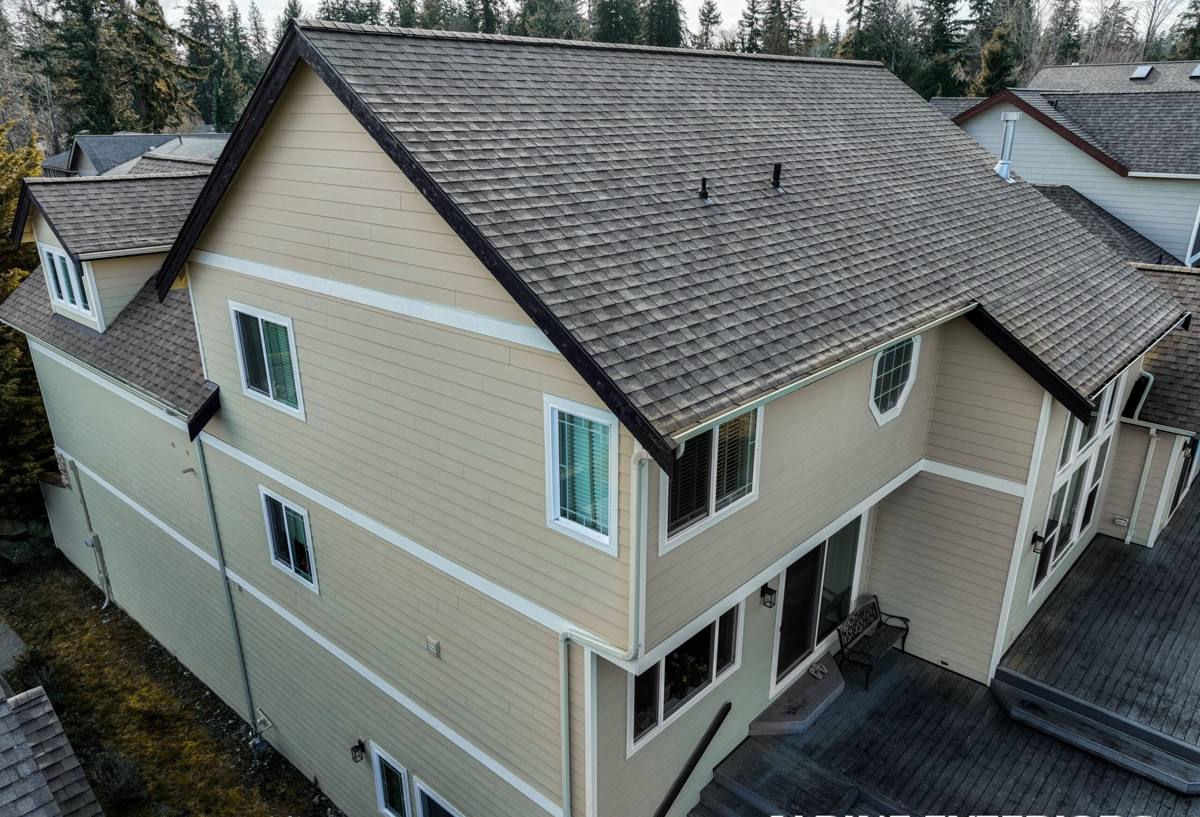
What Rainier Valley's Weather Actually Does to a Deck
Moisture That Doesn't Let Up
The Puget Sound region's wet season isn't a handful of storms — it's months of low-intensity, steady rain combined with high ambient humidity. That kind of moisture doesn't just fall on a deck; it sits in it. Ledger boards, joist ends, and any spot where two pieces of wood meet without a way to dry out are where rot starts. A deck that looks fine on the surface can be quietly failing underneath if those details were rushed during construction.
Moss, Algae, and Organic Growth
Shaded yards, overhanging trees, and north-facing exposures common throughout the neighborhood create ideal conditions for moss and algae to take hold on decking surfaces, especially where boards are laid tight or drainage is poor. Beyond being slippery underfoot, moss holds moisture directly against the wood or composite surface, which accelerates whatever wear process is already at work.
Temperature Swings and Material Movement
Seattle winters aren't brutally cold, but wood and composite decking still expand, contract, and absorb moisture through repeated wet-to-dry cycles across the year. Fasteners that weren't rated for exterior use, or boards installed without the right gap spacing, tend to reveal that stress within the first couple of years — cupping, popped nails, or boards that no longer sit flush.
Choosing the Right Decking Material for This Neighborhood
There's no single "best" decking material — the right choice depends on how much upkeep a homeowner wants to commit to, budget, and how exposed the deck site is to shade, rain, and standing moisture. Here's how the common options actually compare for a Rainier Valley property:
| Material | Moisture & Moss Resistance | Maintenance Needs | Typical Lifespan | Relative Cost |
|---|---|---|---|---|
| Pressure-treated lumber | Good if sealed and detailed correctly; vulnerable at cut ends and fasteners if not maintained | Annual cleaning and periodic re-sealing | 15–20 years with upkeep | Lowest upfront cost |
| Cedar | Naturally moisture- and insect-resistant, but still needs care in shaded, damp spots | Regular cleaning, periodic staining/sealing | 15–20 years with upkeep | Mid-range |
| Composite decking | Very good — resists rot and moisture absorption, though surface algae/moss can still form and needs occasional washing | Occasional washing; no sealing or staining | 25–30+ years | Higher upfront cost |
We don't push one product over another as a default — we walk through the trade-offs honestly. A shaded, damp backyard with a lot of tree cover is a different decision than a sunny, open lot, and the right material for one isn't automatically right for the other.
What's Underneath Matters More Than What's On Top
A deck's surface is what homeowners see, but its structure is what determines whether it lasts. This is where a lot of shortcuts get taken on lower-cost builds, and it's exactly where Seattle's wet climate finds them.
Footings and Post Bases
Footings need to be sized and placed for the actual soil conditions on site, not just poured to a minimum. Post bases should hold the post above the concrete rather than embedding wood directly into or against it, which keeps end grain from sitting in standing water after every rain.
Ledger Board and Flashing
Where a deck attaches to the house, the ledger board and its flashing are the single most common failure point we see on older or poorly built decks. Water that gets behind an unflashed or improperly flashed ledger doesn't just damage the deck — it can work its way into the house's rim joist and wall framing. This detail gets done right on every attached deck we build, no exceptions.
Joist Protection and Hardware
Joist tape or an equivalent moisture barrier over the top of each joist keeps water from wicking into the wood through screw holes and cut ends. Structural connectors and fasteners should be rated for exterior, treated-lumber contact — mismatched hardware corrodes and loses strength years before the wood around it fails.
Designing for Drainage and Airflow — the Real Moss Prevention
Moss and standing water are a design problem before they're a cleaning problem. A deck built with a slight slope away from the house, consistent gapping between boards, and enough clearance and airflow underneath will shed water instead of holding it. Skirting or under-deck enclosures look tidy but can trap moisture against the framing if they're not vented — we build in ventilation wherever the design calls for skirting. Trimming back overhanging branches and keeping nearby vegetation from crowding the deck's edge also does more for long-term moss control than any cleaning product will.
Permits and Code Considerations for a Rainier Valley Build
Most attached decks, and any deck built a meaningful height above grade, require a building permit reviewed by the City of Seattle before work starts. Requirements cover things like guardrail height, stair geometry, footing depth, and structural connections to the house — and inspections confirm the framing before decking goes down and again at final completion. Some Rainier Valley lots also have noticeable slope or grade changes from front to back, which can affect footing design and may call for additional engineering review on taller decks. We handle permit filing and inspection scheduling as part of the build, so homeowners aren't left figuring out city requirements on their own.
How We Build a Deck, Start to Finish
- Site visit and design: we look at drainage, sun/shade exposure, existing grade, and how the household actually plans to use the space before recommending a layout or material.
- Material and plan selection: we walk through the honest trade-offs between lumber and composite options for that specific site, with a straightforward cost range for each.
- Permit filing: plans are submitted and permitted through the City of Seattle before any demolition or construction begins.
- Demolition, if needed: an existing deck is removed and the site is checked for hidden rot or drainage issues before new framing goes in.
- Footings and framing: footings, post bases, ledger flashing, joist protection, and hardware are installed to code and to our own moisture-management standards.
- Decking, railings, and stairs: surface material is installed with correct spacing and fastening for the product chosen.
- Final inspection and walkthrough: the city inspection is completed, and we walk the finished deck with the homeowner, including basic care guidance specific to the material installed.
Keeping a Rainier Valley Deck Healthy Year-Round
Even a correctly built deck needs some routine attention in this climate. A short seasonal checklist goes a long way toward protecting the investment:
- Sweep debris out of board gaps regularly — trapped leaves and needles hold moisture against the surface.
- Wash off moss and algae buildup before it gets established, especially on shaded sections.
- Re-seal or re-stain wood decking on the schedule appropriate to the product and exposure, typically every one to three years.
- Check railings, stairs, and visible fasteners once or twice a year for looseness or corrosion.
- Look at the ledger board area where the deck meets the house for any signs of staining or softness.
- Keep nearby trees and shrubs trimmed back so sunlight and airflow can reach the deck surface.
- Confirm water is draining away from footings and not pooling under the deck after heavy rain.
Why Hiring a Crew That Already Works Rainier Valley Matters
A deck builder who mostly works drier climates, or who treats every job the same regardless of site conditions, is more likely to under-engineer the details that matter here — drainage slope, flashing, joist protection, moss-resistant design. Crews who regularly work Rainier Valley and the surrounding King County area already understand the neighborhood's mix of older homes, sloped lots, and shaded yards, know the City of Seattle permit process from experience rather than guesswork, and can plan construction around the driest stretches of the year to protect exposed framing during the build itself. That familiarity shows up later as fewer callbacks, fewer surprises, and a deck that's still solid well past the point where a poorly built one would be showing rot.
If you're planning a new deck or replacing one that's past its prime, we're happy to take a look and talk through honest options for your yard — no pressure, no pushy sales pitch. Use the form below to request a free estimate, and we'll walk the site with you before recommending anything.