 Seattle
 Building Decks for Beacon Hill's Terrain and Weather
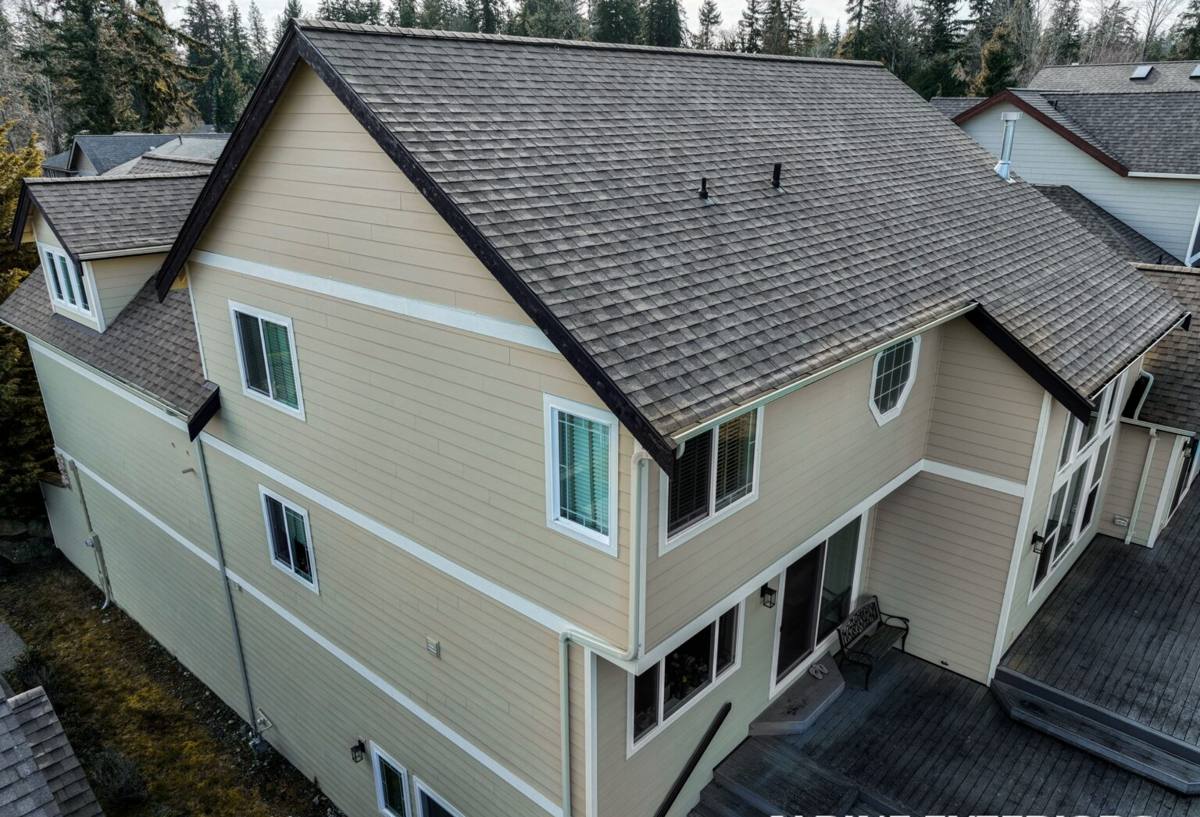
Beacon Hill sits on one of Seattle's more dramatic ridgelines, and that shapes almost every deck project we take on here. Lots step down in elevation fast, tree canopy is heavy in many pockets of the neighborhood, and the homes themselves range from older bungalows to newer infill construction. A deck built for a flat backyard in a drier climate simply isn't built for this hill. It needs to handle grade changes, moisture that lingers under shade, and King County's wet season without warping, rotting, or turning green by the second winter.
We've worked enough decks on this hill to know the difference between a deck that looks good at handoff and one that still looks good in five years. That gap almost always comes down to what's underneath the boards — the framing, the flashing, the footings — not the decking material itself.
What Seattle's Climate Actually Does to a Deck
Seattle and the wider King County area get long stretches of steady rain rather than short heavy storms, and Beacon Hill's elevation means driving rain and wind off Puget Sound hit exposed decks harder than you'd expect for an inland-feeling neighborhood. Add in salt-tinged marine air moving in off the Sound, and you've got a combination that accelerates corrosion on cheap fasteners and hardware faster than most homeowners realize.
The Moss Problem
Beacon Hill's mature tree cover is one of its best features, but shaded, damp wood surfaces are exactly what moss and algae need to take hold. Once moss establishes on decking or framing, it holds moisture against the wood far longer than open air ever would, which speeds up rot underneath a surface that might still look fine from a distance. A long moss season here isn't a cosmetic issue — it's a structural one if it's ignored.
Sloped Lots and Structural Loads
Many Beacon Hill backyards drop off sharply, which means a lot of local decks are elevated well above grade rather than sitting a step up from the patio. Taller support posts, deeper or engineered footings, and proper cross-bracing matter a lot more here than on a flat lot. A deck that's technically "up to code" on paper can still feel bouncy or unsafe if the post spacing and bracing weren't sized for the actual height and soil conditions on that specific lot.
What a Correctly Built Deck Includes
A deck is a system, not a stack of boards. Every part of it has a job, and skipping or under-building any one part is where problems start.
- Ledger flashing: Where the deck attaches to the house is the single most common failure point in wet climates. Proper metal flashing, correctly lapped with the house's water-resistive barrier, keeps water from working into the rim joist and wall framing.
- Footings sized for the slope: On graded lots, footing depth and post height need engineering judgment, not a one-size-fits-all spec. Frost depth and soil bearing both factor in.
- Joist spacing matched to decking material: Composite and PVC boards often need tighter joist spacing than wood to avoid flexing over time — this is in the manufacturer's install specs, and skipping it voids warranties.
- Corrosion-resistant fasteners and hardware: Stainless steel or heavy hot-dip galvanized hardware, rated for ground contact and coastal-adjacent moisture, not the cheapest box at the hardware store.
- Drainage gaps and airflow: Boards need consistent spacing and the substructure needs airflow underneath, or moisture just sits there and feeds moss and rot.
- Code-compliant railings and guards: Height, baluster spacing, and graspable handrail requirements aren't optional on elevated decks, and Seattle inspectors check them.
Choosing a Decking Material for This Climate
There's no single "best" decking material — there's a best material for your specific yard, budget, and how much upkeep you're willing to do. Here's how the common options actually compare under Beacon Hill's shade-and-rain conditions:
| Material | Upfront Cost | Moss/Algae Resistance | Maintenance | Typical Lifespan |
|---|---|---|---|---|
| Pressure-treated wood | Lowest | Poor in shade unless cleaned/sealed regularly | Annual cleaning + resealing | 15-20 yrs with upkeep |
| Cedar | Moderate | Fair; natural oils help but fade over time | Periodic cleaning + oil/seal | 15-25 yrs with upkeep |
| Capped composite | Higher | Good; cleans off easily, doesn't absorb moisture like wood | Occasional wash, no sealing | 25-30+ yrs |
| PVC | Highest | Very good; fully synthetic, low absorption | Occasional wash | 30+ yrs |
In heavily shaded Beacon Hill yards specifically, we steer homeowners away from bare pressure-treated wood as a standalone plan — not because it's a bad product, but because shaded wood needs a maintenance commitment most people underestimate when they're comparing sticker prices. Composite and PVC cost more upfront but shed moss and hold up to standing moisture with a lot less ongoing work, which matters more here than in a sunnier yard across town.
Framing and Fastener Choices Matter More Than the Decking
Homeowners tend to focus on the decking surface because it's what you see, but the framing underneath is what determines whether the deck lasts. We use joist tape or a similar barrier on top of framing lumber to keep standing water off the wood, and we match fastener coatings to the decking and hardware manufacturer's actual specs rather than mixing metals, which can cause galvanic corrosion over time — a real issue in a marine-influenced climate like this one. None of this is visible once the deck is finished, which is exactly why it's worth asking a contractor about before the build starts, not after.
Permits and Seattle-Specific Requirements
Most new decks and significant rebuilds in Seattle require a permit, and elevated decks on sloped Beacon Hill lots almost always do, since they typically involve structural footings and guardrails that the city wants inspected. Permit review also looks at setbacks from property lines, which can be tighter to navigate on Beacon Hill's smaller, irregular lots than on newer subdivided property elsewhere in King County. Pulling the permit and scheduling inspections is part of doing the job correctly — it protects you if you ever sell the house and a buyer's inspector asks about deck history.
Our Process for a Beacon Hill Deck Project
- On-site assessment: We walk the actual grade, existing structure (if replacing a deck), tree cover, and drainage patterns specific to your lot rather than quoting off a photo.
- Design and material selection: We talk through decking material, railing style, and layout based on your budget, sun/shade exposure, and how you actually use the space.
- Permit handling: We prepare and submit what Seattle requires for your project scope and schedule inspections at the right build stages.
- Demolition (if applicable): Removal of the old deck, checking the ledger area and framing underneath for hidden rot before anything new goes up.
- Framing and structural work: Footings, posts, beams, ledger flashing, and joists built to the load and slope of your specific lot.
- Decking, railing, and finish work: Installed to manufacturer spec, with fastener and hardware choices matched to the material and our local climate.
- Final inspection and walkthrough: We go over the finished deck with you, including basic care specific to the material you chose.
Signs an Existing Deck Needs Attention
If you're weighing a repair versus a full rebuild, these are the things worth checking before deciding:
- Soft or spongy spots underfoot, especially near the house ledger connection
- Visible moss or dark staining that keeps coming back after cleaning
- Rust streaks around fasteners or hardware
- Railings that flex or wobble when you lean on them
- Gaps between the ledger board and the house siding, or visible water staining on the wall above the deck
- Posts that show cracking or separation near the base, common where soil stays wet longer on shaded, sloped ground
Any one of these on its own might be a minor fix. Several together, especially near the ledger, usually means it's time for a real structural evaluation rather than a patch job.
Cost Factors to Expect
Every deck quote in Beacon Hill is shaped by a handful of factors that matter more here than they would on a flat, unshaded lot elsewhere in the city:
| Factor | Why It Affects Cost |
|---|---|
| Height above grade | Elevated decks on sloped lots need taller posts, more bracing, and often engineered footings |
| Decking material | Composite and PVC cost more per square foot than wood but reduce long-term maintenance spend |
| Access to the build site | Narrow side yards or steep backyard access on Beacon Hill lots can add labor time |
| Railing style | Cable, glass, and custom metal railings cost more than standard wood or composite balusters |
| Permit and engineering | Elevated or larger decks may require stamped engineering for footings, which adds to design cost |
| Existing structure removal | Demo and disposal of an old deck, plus any hidden rot repair found underneath |
We'd rather walk your specific lot and give you real numbers than quote a broad range that doesn't mean much for your situation — every Beacon Hill yard we've worked has been a little different.
Why a Crew That Knows This Neighborhood Matters
A contractor who mainly works flat, sunny lots elsewhere in King County can still build a technically sound deck, but they're guessing at things a Beacon Hill-experienced crew already knows: how much footing depth this soil typically needs, which yards hold moisture longest through the moss season, where narrow street or driveway access will slow a build down, and what Seattle's permit reviewers tend to flag on sloped-lot submissions. That experience shows up in fewer surprises mid-project and a deck that's actually built for the yard it's sitting in, not a generic spec sheet.
If you're thinking about a new deck or need an honest look at one that's showing its age, we're happy to come take a look. The estimate is free, there's no pressure, and you'll get a straight answer about what your specific lot and budget actually call for — just use the form below to get started.