 Seattle
 Beacon Hill Puts Windows Through More Than Most Homes See
Beacon Hill sits up on a ridge above the rest of Seattle, and that elevation is a mixed blessing. Homeowners get the views, but they also get more direct exposure to wind-driven rain and the salt-laced air that moves in off Puget Sound and Elliott Bay. Windows here don't just have to look good — they have to keep working through a marine climate that pushes moisture, salt, and organic growth at every seam and joint, month after month, year after year.
A window that's fine in a drier inland climate can fail early in Beacon Hill conditions if it wasn't built or installed with this exposure in mind. That's the difference between a generic window install and one that's actually custom-fit to this neighborhood.
Salt Air and Slow Corrosion
Salt in the air accelerates corrosion on hardware, fasteners, and unprotected metal components. Cheaper hinges, cranks, and locking mechanisms can start to pit or seize up well before the glass or frame shows any wear. It's a slow process, which is exactly why it gets overlooked — by the time a homeowner notices a stiff crank or a rusted latch, the damage has usually been building for a couple of seasons.
Driving Rain and Wind-Driven Water
Seattle rain is rarely a hard downpour, but it's persistent, and on an exposed hillside like Beacon Hill it often comes in sideways. That kind of wind-driven rain finds any gap in flashing, any thin bead of failing caulk, and any window that wasn't shimmed and sealed correctly. Water intrusion around windows is one of the most common causes of hidden rot we find in older King County homes, and it's almost always a flashing or sealant failure rather than a problem with the glass itself.
The Long Moss Season
Western Washington's moss season runs long — shaded exteriors, north-facing walls, and anything that stays damp for extended stretches will grow moss and algae if it isn't detailed to shed water and dry out between rains. Moss holds moisture against wood trim, sills, and frame edges, which speeds up rot and paint failure. Window design and installation details that ignore this reality end up costing homeowners in maintenance a few years down the road.
What "Custom" Actually Means on Beacon Hill
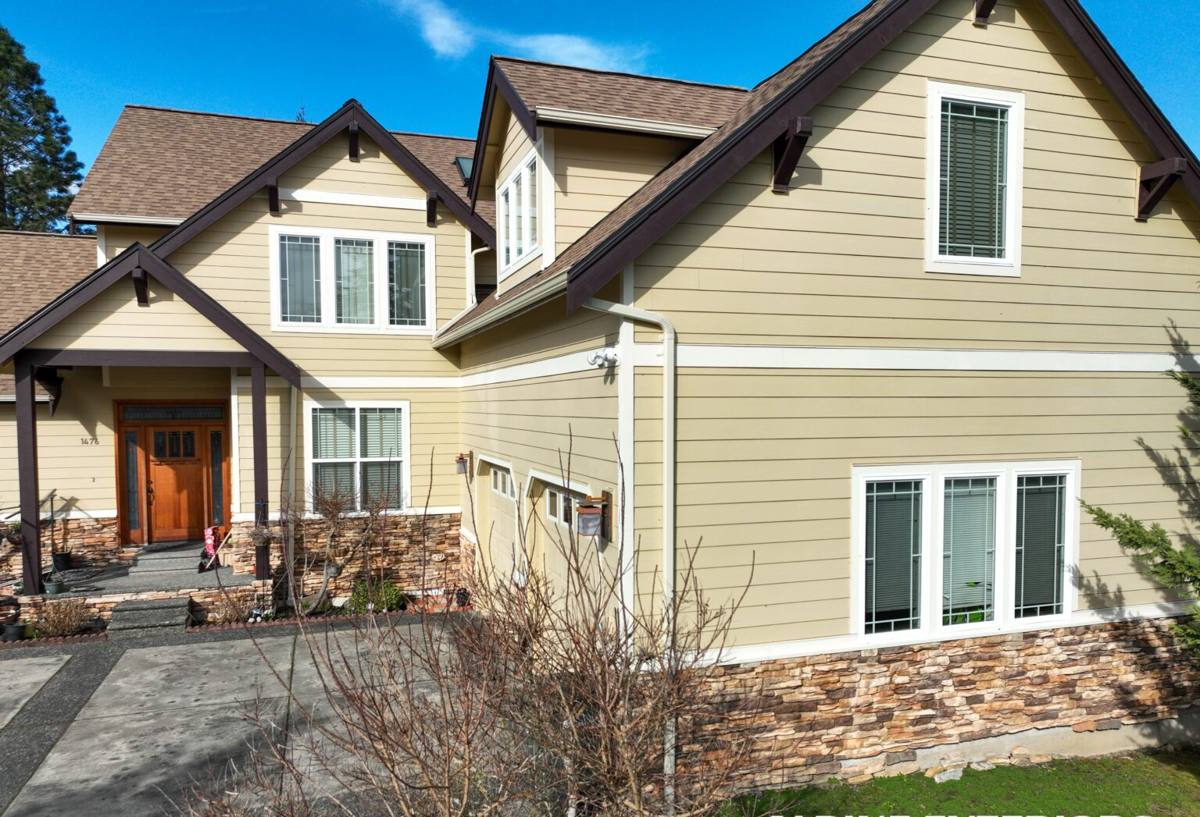
Beacon Hill's housing stock is genuinely mixed — older craftsman-style bungalows, mid-century one-story homes, and newer infill construction all sit within blocks of each other. That variety matters more than people expect when it comes to windows. Older homes frequently have non-standard rough openings, settled framing, or window sizes that don't match anything on a factory size chart. A "custom" window isn't a luxury upgrade in this context — for a lot of these houses, it's the only way to get a proper fit without tearing into more of the wall than necessary.
Custom also means matching the home's existing look. Beacon Hill has a strong mix of architectural styles, and swapping in windows with the wrong grid pattern, sash proportions, or trim profile can look out of place on an older home even if the window itself performs well. Getting both the fit and the look right is what separates a custom job from a standard catalog install.
Choosing the Right Frame Material for This Climate
There's no single "best" window material — the right choice depends on the home, the budget, and how much upkeep an owner wants to take on. In a climate with regular rain, salt air, and moss pressure, the trade-offs below matter more than they would somewhere drier.
| Frame Material | Moisture & Salt Air Behavior | Maintenance | Typical Fit |
|---|---|---|---|
| Vinyl | Won't rot or corrode; performs well in wet, salty air | Low — occasional cleaning | Budget-conscious replacements, most home styles |
| Fiberglass | Very stable, resists expansion/contraction and moisture damage | Low | Homes wanting a slimmer profile or paintable frame |
| Wood with clad exterior | Good if detailing and finish are maintained; exposed wood needs attention | Moderate to high | Craftsman and period homes where interior wood look matters |
| Aluminum | Prone to condensation and corrosion issues in this climate unless thermally broken | Moderate | Modern styles, view windows, sometimes commercial-style openings |
We'll walk through these trade-offs against the specific house, not just the material spec sheet. A wood-clad window on a shaded, moss-prone north wall carries different risks than the same window on a sunny, well-ventilated south side, and that's worth talking through before ordering anything.
What a Correct Installation Actually Involves
Most window failures we see aren't product failures — they're installation shortcuts. A correct job takes more time than a quick swap, but it's the only way to get the performance the window is rated for.
- Full removal of the old window and inspection of the framing and sheathing underneath for hidden rot or water staining
- Repair of any damaged framing before the new window goes in — never installing over a compromised opening
- A sloped sill pan to direct any water that gets past the window back outside, not into the wall
- Proper flashing integration with the home's existing weather-resistive barrier, lapped correctly so water sheds downward and outward
- Backer rod and quality sealant at the exterior joint, sized and applied correctly rather than just caulked over gaps
- Correct shimming so the window operates square and doesn't bind or leak at the corners
- Insulation in the gap between the frame and rough opening, without over-packing it in a way that bows the frame
- Interior and exterior trim reinstalled or replaced cleanly, with a final check that the window opens, closes, and locks properly
Glazing and Energy Performance in a Marine Climate
Double-Pane vs. Triple-Pane
Most Beacon Hill homes do well with a quality double-pane window with a low-E coating and an argon or krypton gas fill. Triple-pane windows offer a modest additional efficiency and sound-dampening benefit, but they're heavier, cost more, and aren't always necessary unless the home has an unusually exposed or noisy elevation. We size the recommendation to the wall, not just the marketing.
Condensation Control
Seattle's cool, damp winters mean interior condensation is a real concern, especially in bathrooms, kitchens, and bedrooms with limited airflow. A window's U-factor and the quality of its seal both affect how much condensation forms on the interior glass. Poorly installed or lower-grade windows tend to show this first — fogging, drips on the sill, and eventually soft spots in the surrounding trim.
Reading a Window's Performance Numbers
U-factor, solar heat gain coefficient, and air leakage ratings all matter, but they only tell part of the story. A window with excellent lab ratings that's installed with a poor seal will underperform a modest window installed correctly. We talk through the numbers that matter for a given elevation and orientation rather than just quoting the best rating on the spec sheet.
Our Process for a Beacon Hill Window Project
- On-site assessment — we look at existing window condition, framing, siding type, and any signs of past water intrusion before recommending anything.
- Measurement and product selection — exact rough opening measurements and a walk-through of material, glazing, and style options suited to the home.
- Scheduling around the weather — we plan install days with Seattle's rain patterns in mind so openings aren't left exposed longer than necessary.
- Installation — removal, framing inspection and repair as needed, flashing, sealing, and finish work done in the sequence that actually keeps water out.
- Final walkthrough — checking operation, seals, and trim with the homeowner before we consider the job done.
Maintenance: Staying Ahead of Moss and Salt Air
Even a well-installed window benefits from basic upkeep in this climate. Twice-a-year attention — typically spring and fall — is enough for most homes:
- Clear moss and debris from window sills, tracks, and weep holes so water can drain instead of pooling
- Check exterior caulk lines for cracking or separation, especially on sun-exposed and wind-exposed sides of the house
- Wipe down hardware periodically to cut down on salt-driven corrosion of hinges, cranks, and locks
- Watch for soft or discolored trim near window corners, which is often the earliest visible sign of a developing leak
Why Hiring a Crew That Knows This Neighborhood Matters
Window installation looks straightforward from the outside, but the details that actually keep a home dry are specific to the climate and the housing stock. A crew that regularly works on Beacon Hill and elsewhere in King County has already seen how these homes age, where water tends to find its way in on wind-exposed elevations, and how the local mix of older and newer construction changes what a proper install requires. That experience shows up in the small decisions — how flashing gets lapped, how much gap to leave for a shimmed frame, which sealant actually holds up through a wet Seattle winter — that a one-off or out-of-area installer is more likely to get wrong.
It also matters for keeping a project moving. Local crews already know how to sequence work around this region's weather, what permitting steps King County jurisdictions typically require, and how to source products that are actually suited to a marine climate rather than a national average.
Ready to Talk About Your Windows?
If your Beacon Hill home has windows that are fogging, sticking, leaking, or just past their useful life, we're happy to take a look and talk through honest options — no pressure, no hard sell. Use the form below to request a free estimate, and we'll walk the property with you and explain exactly what your home needs.