 Seattle
 Deck Replacement Built for Beacon Hill's Climate
Beacon Hill sits up above the rest of Seattle, and that elevation cuts both ways. Homeowners get some of the best views in King County, but their decks take a harder beating than decks in more sheltered parts of the city. Driving rain off Puget Sound, a long stretch of low winter sun that never quite dries things out, mature tree canopy that keeps shade and moisture pooling on deck boards, and a moss season that can run eight months or more all add up. A deck that would last two more years in a drier climate is often already failing here, and homeowners don't always see it until a board gives way underfoot.
We replace decks specifically for this hill and this weather pattern. That means grading our substructure differently than we would for a flat, sun-exposed lot, choosing fasteners and flashing that hold up to sustained damp rather than occasional rain, and building in drainage and airflow from day one instead of hoping the wood dries out between storms.
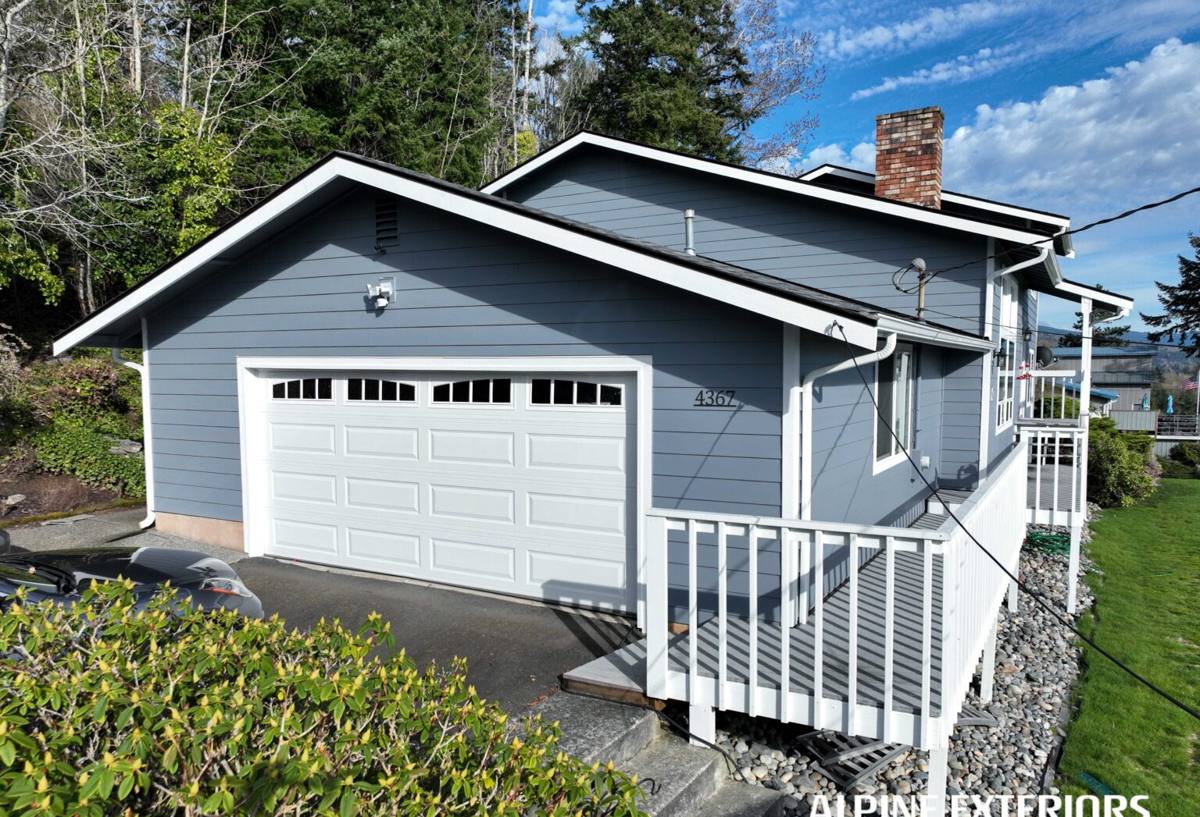
Signs Your Deck Needs Replacement, Not Another Repair
Repair makes sense when the problem is isolated. Replacement makes sense when the problem is systemic. On Beacon Hill, we see the same failure pattern often enough to call it out directly:
- Soft, spongy spots on the decking surface, especially near the house or in shaded corners that never fully dry
- Ledger board pulling away from the house, or visible gaps and staining where the deck meets the siding
- Support posts that have shifted, rotted at the base, or sit directly in soil without a footing
- Persistent green or black growth on the decking or framing that comes back within weeks of cleaning
- Railings that flex or wobble under normal weight — a structural issue, not a cosmetic one
- Fasteners that are rusted, backing out, or leaving dark streaks down the boards
One or two of these on an otherwise sound deck is a repair job. Several of them together, especially involving the ledger or the framing underneath, usually means the whole structure has been absorbing moisture for years and repair would just be patching over a problem that's already spread.
What a Correct Deck Replacement Involves Here
Structural assessment first
Before we talk decking material or railing style, we look at what's holding the deck up: footings, posts, beams, joists, and the ledger connection to the house. On hillside lots like much of Beacon Hill, footing depth and soil condition matter more than they would on flat ground, and a deck built decades ago may not meet current footing or attachment standards even if it looks fine from the top.
Drainage and moisture management
This is where a lot of deck failures actually start. Flashing at the ledger board, proper slope away from the house, gaps between boards for airflow, and keeping framing lumber off direct soil contact all matter more here than in drier parts of the state. We build in drainage paths so water moves off and away from the structure instead of sitting against wood and fasteners through the wet months.
Material selection for shade and moss exposure
Not every deck material handles King County's damp shade equally well. Some products that perform fine in full sun struggle in the shaded, tree-covered conditions common on parts of the hill. We'll talk through what actually holds up under your specific sun exposure and tree cover, not just what looks best in a showroom.
Decking Material Comparison
| Material | Moisture & Moss Resistance | Maintenance | Typical Lifespan |
|---|---|---|---|
| Pressure-treated lumber | Good if properly sealed and re-coated; absorbs moisture if neglected | Annual cleaning and re-sealing recommended | 15-20 years with upkeep |
| Cedar | Naturally moisture-resistant; still needs care in shaded, damp spots | Periodic cleaning, staining or sealing every 2-3 years | 15-25 years with upkeep |
| Composite decking | Excellent moisture resistance; can still grow surface moss/mildew in deep shade without cleaning | Low — periodic washing, no sealing or staining | 25-30+ years, varies by product warranty |
| PVC/capped polymer | Very good; fully synthetic surface resists moisture absorption | Low — occasional washing | 25-30+ years, varies by product warranty |
We don't push one material on every job. A shaded, tree-covered lot with heavy moss exposure often does better with composite or capped polymer decking because the boards don't absorb water the way wood does. A more open, sun-exposed section of the same property might do perfectly well in cedar. We'll walk your specific site with you before recommending a direction.
Our Deck Replacement Process
1. On-site evaluation
We inspect the existing deck, framing, and ledger connection, check for rot and moisture damage you can't see from the surface, and talk through what's driving the replacement — safety, appearance, or both.
2. Tear-out and structural check
We remove the old decking and inspect what's underneath. On older Beacon Hill homes, this is often where we find footing or framing issues that weren't visible before demo — we'll flag anything that changes the scope before we proceed, not after.
3. Framing, flashing, and drainage
New or repaired framing goes in to current standards, with flashing at the ledger and attention to slope and airflow underneath. This is the part of the job that determines whether the new deck lasts fifteen years or thirty, and it's the part that's easiest to shortcut if a crew is rushing.
4. Decking, railings, and finishing
Boards go down with proper spacing for drainage and expansion, railings are set to current code height and spacing requirements, and stairs are checked for rise and run consistency.
5. Final walkthrough
We walk the finished deck with you, confirm it's solid underfoot with no flex or movement, and go over basic care for whatever material you chose.
Permits and Code in Seattle
Most deck replacement work in Seattle requires a permit, particularly when the deck is elevated, attached to the house, or involves structural changes to framing or footings. Requirements can vary depending on deck height, size, and whether the existing structure is being reused or fully replaced. We handle the permitting process as part of the job rather than leaving it to the homeowner to sort out, and we build to the current code requirements in effect for King County rather than matching whatever standard the original deck was built to years ago.
What Affects the Cost of a Deck Replacement
| Cost Factor | Why It Matters |
|---|---|
| Deck size and shape | More square footage and complex angles or multiple levels increase material and labor time |
| Decking material chosen | Composite and PVC cost more upfront than wood but require far less long-term maintenance |
| Framing and footing condition | Rotted or undersized framing found during tear-out adds scope beyond a straight resurface |
| Height and access | Elevated decks common on hillside lots may need engineered railings and more complex footings |
| Railings and stairs | Custom railing styles, glass panels, or multiple stair runs add cost beyond standard rail |
| Permit and inspection requirements | Structural changes typically require permitting and inspection, which factors into project timeline and cost |
We give straightforward, itemized pricing so you can see what you're paying for — material, labor, framing work, and permitting — rather than a single lump number that hides where the cost is coming from.
Keeping a New Deck Healthy Through Beacon Hill's Wet Season
A well-built deck still needs some seasonal attention in a climate like ours. A few habits go a long way toward protecting the investment:
- Sweep leaves and debris off the deck regularly in fall — trapped organic matter is what starts moss and mildew
- Keep gutters and downspouts clear so runoff isn't dumping directly onto or near the deck
- Trim back overhanging branches where practical to reduce shade and speed up drying between storms
- Wash the deck surface at least once a year to remove early moss and algae growth before it takes hold
- Check railings and stair connections periodically for looseness, especially after freeze-thaw cycles
- Re-seal or re-stain wood decking on the schedule recommended for that specific product
None of this replaces a properly built structure underneath — no amount of surface cleaning fixes a ledger board that's rotting from moisture trapped behind it — but it does extend the life of whatever material you choose.
Why a Crew That Already Works Beacon Hill Matters
Beacon Hill's mix of hillside lots, mature tree cover, and older housing stock means deck problems here don't always look like deck problems elsewhere in Seattle. A crew that mostly works flatter, sunnier neighborhoods may not think twice about framing and drainage decisions that matter a lot on a shaded, sloped lot in this part of King County. Knowing which spots on the hill hold moisture longest, which older framing methods tend to fail first, and how the local permitting process handles hillside and elevated structures comes from doing this work here repeatedly — not from a general deck-building checklist.
If your deck is showing soft spots, wobble, or moss that won't quit coming back, we're happy to come take a look. We'll give you a straight assessment of whether it's a repair or a replacement situation, walk you through material options that actually fit your site's sun and shade, and put together a free, no-pressure estimate — no obligation either way.