 Seattle
 Roofing on Beacon Hill Isn't the Same Job as Roofing Everywhere Else
Beacon Hill sits up on a ridge on the south side of Seattle, and that elevation cuts both ways. Homes up here catch more open exposure to wind and driving rain off Puget Sound than houses tucked into lower, more sheltered parts of King County, but they also sit under a lot of mature tree canopy in the older residential blocks. That combination — wind-driven moisture plus heavy shade — is exactly the kind of environment that ages a roof faster than the manufacturer's warranty label suggests it should.
We're not describing a generic "Seattle roof" problem here. We're describing what happens specifically to roofs on a hill with mixed sun and shade exposure, older housing stock, and a lot of overhanging trees. A roof replacement done right on Beacon Hill accounts for all of that, not just the fact that it rains in this city.
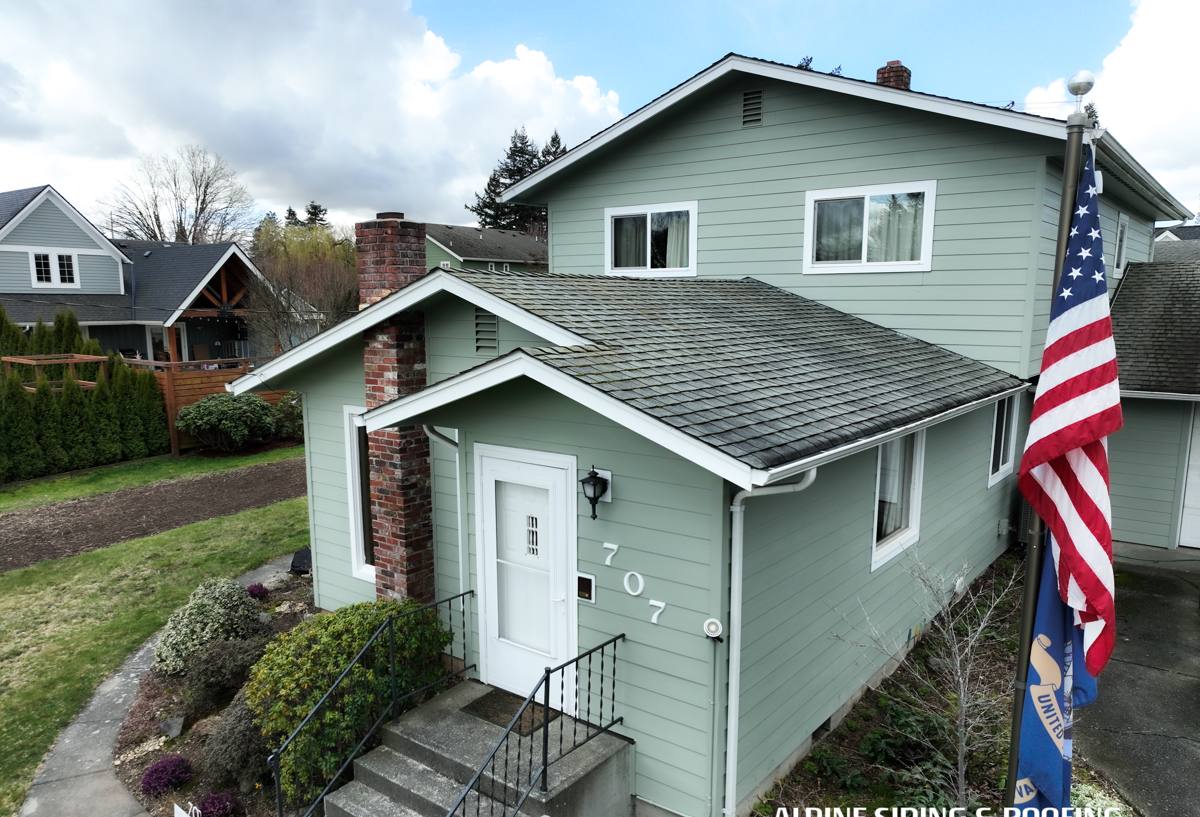
What the Climate Actually Does to a Roof Up Here
Salt Air and Metal Fatigue
Proximity to Puget Sound means a steady low-level dose of salt-laden air, even miles inland. Over years, that accelerates corrosion on exposed metal flashing, fasteners, and vents. A roof built with standard, unprotected metal components will show rust and pitting well before the shingles themselves are worn out — and once flashing fails, water finds its way under the roofing material regardless of how good that material is.
Driving Rain and Wind-Driven Water
Pacific storm systems don't just drop rain straight down — they push it sideways, especially on an exposed ridge like Beacon Hill. Wind-driven rain gets forced up under shingle tabs, around chimney flashing, and into any gap in the underlayment that a calm, straight-down rain would never reach. Roofs here need water-shedding details — proper shingle overlap, sealed flashing, correctly lapped underlayment — that a lower-exposure roof could get away without.
The Long Moss Season
King County's wet season runs long, and on shaded lots — common in Beacon Hill's older, tree-lined blocks — that means moss and algae have months to establish themselves on north-facing slopes and anywhere debris collects. Moss doesn't just look bad. It holds moisture directly against the roofing material, and as it grows it works its way under shingle edges, lifting them and creating channels for water to travel. A roof that fights moss well from day one saves the homeowner years of maintenance headaches.
Signs a Beacon Hill Roof Is Telling You It's Done
- Granules collecting in gutters or downspouts (shingle surface breaking down)
- Dark streaking or thick moss mats, especially on shaded or north-facing sections
- Curling, cupping, or cracked shingles, particularly on slopes that get afternoon sun
- Rusted or visibly deteriorating flashing around chimneys, vents, and valleys
- Soft spots or sagging when walked on, which usually means decking damage underneath
- Daylight visible through the attic roof deck, or damp insulation after storms
- A roof already past 20-25 years old for composition shingle, or showing wear well before that if it's been under heavy tree cover
Any one of these on its own might just mean a repair. Several at once, or a roof already near the end of its expected service life, usually means replacement is the more honest recommendation — and we'll tell you which one it actually is rather than upselling a full tear-off you don't need yet.
What a Correct Roof Replacement Actually Involves
A roof replacement is more than swapping old shingles for new ones. Done correctly, especially on a site with this area's exposure and moisture load, it involves several layers working together:
Tear-Off and Deck Inspection
Full removal of the old roofing down to the deck lets us actually see what's underneath — something no re-roof-over-existing-layers shortcut allows. Any water-damaged or rotted sheathing gets identified and replaced before anything new goes down. Skipping this step is how a new roof ends up sitting on a compromised deck and failing early.
Underlayment and Ice/Water Protection
Given how much wind-driven rain this area sees, we pay close attention to underlayment coverage and self-adhering waterproof membrane at vulnerable points — eaves, valleys, and around every roof penetration. This is the layer that keeps a home dry even if wind pushes water past the shingles themselves.
Flashing and Metal Components
Given the salt-air corrosion issue, we use flashing and fasteners rated for coastal-adjacent exposure rather than the bare minimum. Chimneys, skylights, and roof-wall intersections are the most common places a roof actually leaks, and it's almost always a flashing problem, not a shingle problem.
Ventilation
Proper intake and exhaust ventilation keeps the attic temperature and moisture balanced, which matters both for shingle lifespan and for preventing condensation issues in a climate this damp. A roof can be installed perfectly and still fail early if the attic underneath it is trapping moisture.
Moss and Algae Resistance
Where a roof has heavy shade exposure, we talk through algae-resistant shingle options and detailing that reduces the debris and moisture pockets where moss gets its start, rather than leaving it to chance.
Comparing Roofing Materials for a Shaded, Exposed Hillside Lot
| Material | How It Handles Local Conditions | Maintenance Reality |
|---|---|---|
| Composition (asphalt) shingle | Good wind and rain performance when properly installed; algae-resistant granule options help with moss-prone shade | Periodic moss/debris clearing on shaded slopes; typical 20-30 year lifespan depending on product line |
| Standing seam metal | Excellent water-shedding on steep pitches and sheds moss more readily than textured surfaces; needs coastal-rated coatings to resist salt-air corrosion | Low ongoing maintenance but higher upfront cost and installation sensitivity around fasteners and seams |
| Cedar shake | Traditional look that fits older Beacon Hill housing stock, but wood is the material most affected by prolonged moisture and moss growth | Highest maintenance burden in a long wet season — regular treatment and inspection needed to manage rot risk |
We'll walk through which option fits your home's exposure, slope, and budget honestly — including the trade-offs, not just the upside. A steep, heavily shaded north slope calls for different priorities than a sunnier, more open one, even on the same house.
Our Process, Start to Finish
- On-site inspection. We walk the roof and attic, not just glance from the ground, so the assessment reflects what's actually happening.
- Straight recommendation. Repair versus replace, explained in plain terms, with the reasoning behind it.
- Written estimate. Material options, scope of work, and timeline laid out clearly before anything is signed.
- Permitting. We handle the paperwork required for the jurisdiction your property falls under.
- Tear-off and deck repair. Full removal, deck inspection, and any necessary sheathing replacement.
- Installation. Underlayment, flashing, ventilation, and roofing material installed to manufacturer and code specification.
- Cleanup and final walkthrough. Site cleared of debris and nails, and we go over the finished roof with you before we call it done.
Permits and Local Requirements
Roof replacements in Seattle typically require a permit, and depending on the scope of work and the property, that can involve inspection sign-off before the job is considered closed. Older homes in established neighborhoods sometimes carry additional considerations depending on how the structure was originally built. We handle this paperwork as part of the job so it isn't something the homeowner has to chase down separately.
Why a Crew That Already Works This Neighborhood Matters
A roofing crew that regularly works Beacon Hill and the surrounding parts of King County has already seen how this specific mix of hill exposure, tree cover, and coastal-adjacent air plays out on real roofs over real years. That's different from general familiarity with "Pacific Northwest roofing." It means knowing which slopes on a given lot tend to hold moss, which flashing details tend to fail first in wind-driven storms, and which material choices actually hold up rather than just looking good on a spec sheet.
It also means faster, more accurate estimates, because we're not guessing at local conditions — we're working from what we already see on roofs like yours, block after block.
Keeping a New Roof in Good Shape Through Moss Season
- Keep overhanging branches trimmed back to reduce shade and debris buildup on the roof surface
- Clear gutters and valleys before the wet season sets in, not after
- Have moss physically removed rather than pressure-washed, which can strip granules and shorten shingle life
- Schedule a walk-through inspection every couple of years, especially after major windstorms
- Address small flashing or fastener issues promptly — they're cheap fixes early and expensive ones once water gets behind them
A properly installed roof handles this climate well on its own, but a small amount of seasonal attention goes a long way toward getting the full service life out of it.
If your Beacon Hill roof is showing its age or you just want an honest read on where it stands, we're happy to take a look. Use the form below to request a free, no-pressure estimate — we'll tell you what we actually see, not what's easiest to sell.