 Seattle
 Why Capitol Hill Roofs Wear Out the Way They Do
Capitol Hill's mix of century-old craftsman bungalows, Tudor revivals, and multi-unit apartment buildings gives the neighborhood a lot of character, but it also means a lot of roofs that were never built with today's weather patterns or today's materials in mind. Seattle's marine climate is hard on a roof in ways that aren't always obvious until you're standing on it. Driving rain that comes in sideways during a windstorm finds every weak flashing detail. Long stretches of damp, mild weather feed moss and moss holds moisture against shingles year-round instead of letting them dry out between storms. And because Seattle sits close to Puget Sound, homes across the city — including elevated neighborhoods like Capitol Hill — deal with a steady low-grade exposure to salt-laden air that accelerates corrosion on metal fasteners, flashing, and vents faster than it would in a drier inland climate.
None of this means a roof is doomed. It means a roof replacement here has to be built around this specific climate, not a generic template pulled from a drier region. That's the difference between a roof that looks fine for a couple of years and one that actually holds up through a full King County winter.
The Moss and Moisture Cycle
Moss doesn't just sit on a roof looking messy — it works its way under shingle tabs, lifts them slightly, and holds a film of moisture against the roof deck almost continuously through fall, winter, and spring. Over years, that constant dampness breaks down shingle granules, softens underlayment, and in bad cases starts to rot the decking underneath. A roof replacement is the point where all of that gets addressed at once: old moss-damaged material comes off, the deck gets inspected and repaired, and the new system goes on with moss-resistant materials and details that shed water instead of trapping it.
Older Housing Stock, Newer Roofing Demands
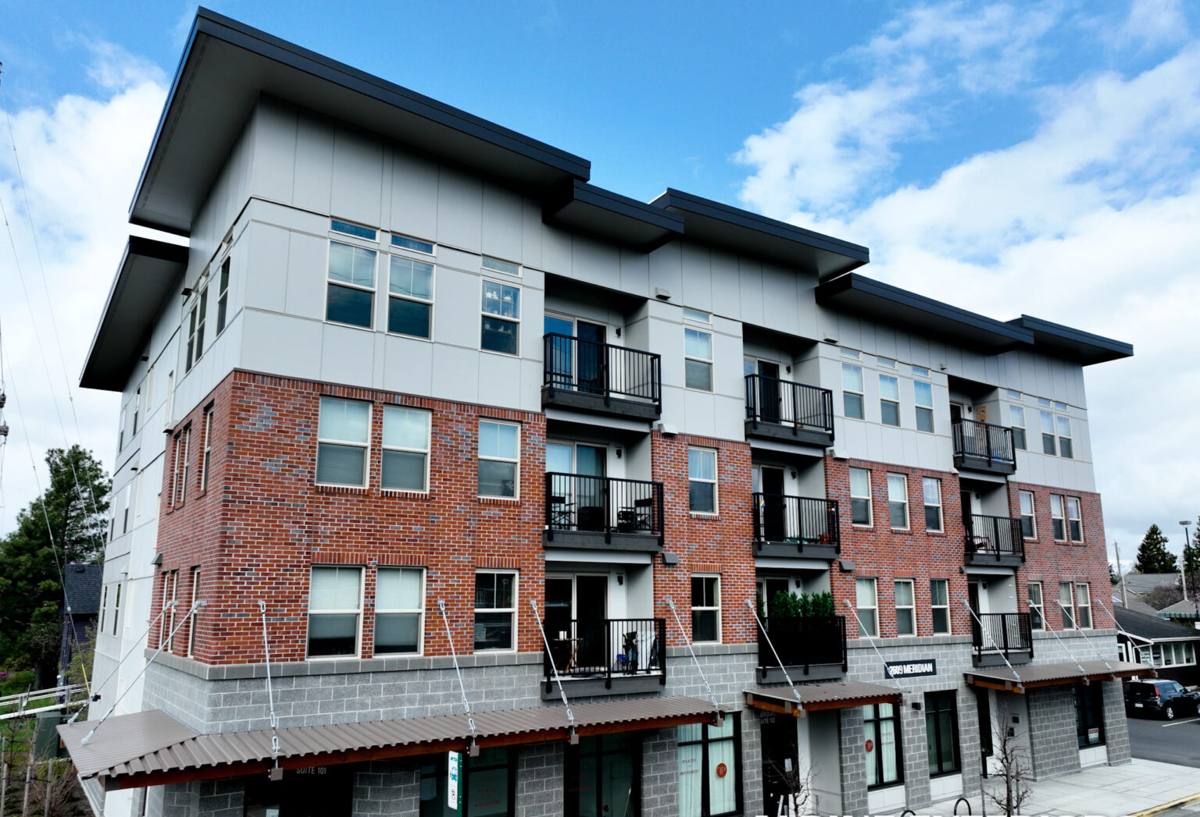
A lot of Capitol Hill homes were built before modern ventilation codes, ice-and-water shield requirements, or today's flashing standards existed. That's not a knock on the original builders — it's just a different era of construction. When we replace a roof on one of these older homes, we're not just swapping shingles; we're often correcting decades-old ventilation gaps, undersized flashing, or valleys that were never properly lined. Skipping that step and just laying new shingles over old problems is how a "new" roof ends up leaking within a few years.
Signs a Capitol Hill Roof Needs Full Replacement, Not Another Repair
Not every roofing problem calls for a full replacement, and we'll tell you honestly when a repair makes more sense. But there's a point where patching becomes a losing game — money spent chasing leaks on a roof that's fundamentally at the end of its service life. Signs worth a real inspection include:
- Granules collecting in gutters or at downspouts, a sign shingles are breaking down
- Shingles that are curling, cupping, or visibly brittle
- Persistent moss growth that comes back within months of cleaning
- Daylight visible through the attic roof deck, or damp insulation below the roofline
- Soft or spongy spots when walking the roof during inspection
- Repeated leak repairs in different spots each rainy season
- Flashing around chimneys, skylights, or roof-wall intersections that's rusted, lifted, or missing sealant
- A roof already at or past the expected lifespan for its material
If you're seeing two or more of these, it's worth having someone look at the whole system rather than treating each symptom separately.
What a Correct Roof Replacement Actually Involves
A roof replacement done right is a sequence of steps, and skipping or rushing any one of them is where problems start. For a Capitol Hill home, our process includes:
- Full tear-off to the deck — never a layover on top of old shingles
- Deck inspection and repair of any soft, rotted, or delaminated sheathing before anything new goes down
- Ice-and-water shield at eaves, valleys, and other vulnerable transitions, sized for our rainfall volume rather than a minimum-code afterthought
- Synthetic or felt underlayment appropriate to the roof pitch and material
- New flashing at every penetration — chimneys, skylights, vents, and wall intersections — rather than reusing old flashing to save time
- Balanced intake and exhaust ventilation, since moisture trapped in an attic is one of the fastest ways to shorten a new roof's life
- Manufacturer-specified fastening patterns, which matter more in high-wind events than most homeowners realize
Roofing Materials That Perform in This Climate
There's no single "best" roofing material — the right choice depends on the home's roof pitch, structure, budget, and how long you plan to stay in the house. Here's how the common options stack up for a Capitol Hill home specifically:
| Material | Moss & Moisture Resistance | Typical Lifespan Here | Maintenance Burden |
|---|---|---|---|
| Architectural asphalt shingle | Good with proper ventilation and periodic moss treatment | 25-30 years | Occasional moss cleaning and gutter checks |
| 3-tab asphalt shingle | Fair — thinner profile holds moisture longer | 15-20 years | More frequent moss and algae maintenance |
| Standing seam metal | Excellent — sheds moisture and resists moss growth | 40-50+ years | Low, though coastal-influenced air calls for quality coatings and fasteners |
| Synthetic composite (shake or slate look) | Very good, engineered for wet climates | 30-50 years | Low to moderate |
We don't push any single product on every roof. A steep-pitched craftsman roof, a lower-slope addition, and a flat-roofed apartment building all call for different assemblies, and we'll walk through the honest trade-offs — upfront cost, appearance, weight, and long-term maintenance — for your specific roof.
Ventilation: The Step That Gets Skipped Most Often
In a climate this wet, ventilation isn't optional. A roof deck that can't breathe traps humid air from the living space below, and that moisture condenses on the underside of the decking during cold snaps. Over time it warps sheathing, feeds mold, and voids shingle warranties even if the shingles themselves are installed perfectly. Correcting inadequate intake or exhaust ventilation during a replacement is one of the most valuable — and most commonly skipped — parts of the job. It's also one of the easiest things for a homeowner to check with a contractor before work starts: ask specifically how intake and exhaust will be balanced, not just whether there's "a vent."
Our Process for a Capitol Hill Roof Replacement
Site Considerations on Dense Urban Lots
Capitol Hill's lot sizes and proximity between homes mean staging a roof job takes more planning than it would on a large suburban lot. Narrow driveways, shared fence lines, street parking, and nearby pedestrian traffic all factor into how we set up debris containment, tarping, and material staging. We plan the job to protect landscaping, siding, and neighboring property, and we keep the work area contained rather than letting the job sprawl across a shared block.
Permits and Inspections
Roof replacements in Seattle typically require a permit, and code compliance around ventilation, ice-and-water shield coverage, and fire-rating (especially relevant given how close some Capitol Hill homes sit to their neighbors) isn't something to shortcut. We handle the permit process and coordinate inspections as part of the job, not as an add-on.
Timeline and What to Expect
Most single-family roof replacements take a few days from tear-off to final cleanup, weather permitting — Seattle's rain windows mean we watch forecasts closely and won't leave a deck exposed if a storm is rolling in. Larger or steeper roofs, multi-unit buildings, or jobs that uncover deck damage take longer. Before work starts, you'll know the expected timeline, what areas of the property will be affected, and how debris and magnetic nail sweeps will be handled at cleanup.
Cost Factors for a Capitol Hill Roof Replacement
We don't quote a roof over the phone, because the honest price depends on details that vary house to house. What we can tell you upfront is what actually drives the number:
| Factor | Why It Matters |
|---|---|
| Roof size and pitch | Steeper roofs take longer to work safely and use more material per square foot of coverage |
| Number of existing layers | Tear-off of multiple old layers adds labor and disposal cost |
| Deck condition | Rotted or soft sheathing found during tear-off needs repair before new material goes down |
| Material choice | Asphalt, metal, and composite systems carry different material and labor costs |
| Access and staging | Narrow lots, steep driveways, or tight setbacks common on Capitol Hill affect equipment and material staging |
| Ventilation and flashing corrections | Older homes often need ventilation or flashing upgrades bundled into the replacement |
Across the region, single-family reroofs generally fall in a wide range depending on these factors — which is exactly why we inspect the actual roof before giving you a number instead of a rough guess.
Why Local Experience in Capitol Hill Matters
A roofing crew that mainly works drier inland markets, or one that's new to King County's older housing stock, can miss the details that matter here — the ventilation gap typical of a certain building era, the flashing style around a particular chimney design, or how much moss pressure a shaded, tree-lined lot actually sees compared to an open one. Crews who work Capitol Hill and the surrounding Seattle neighborhoods regularly get a feel for these patterns fast, which shows up in fewer callbacks and a roof that's actually built for the conditions it will sit under for the next few decades.
If your roof is showing its age or you just want a straight answer about whether it's a repair situation or a replacement situation, we're glad to take a look. There's a free, no-pressure estimate form below — no obligation, just an honest assessment of where your roof actually stands.